
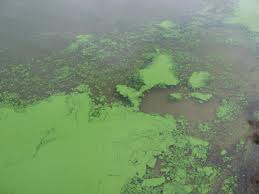
algae bloom

Algae bloom continues to contaminate Great Lakes drinking water

Written by Joseph Nordqvist

Published: 18:50, November 16, 2014

The algae bloom problem in the Great Lakes continues to be a threat to drinking water in the area. As a result the US and Canada will begin working together to try and quickly find ways of addressing the issue.

Algae is harmless in most cases, however, the problem is that in this case it is contaminating sources of drinking water.

Algae-borne toxins led to placing “do not drink” warnings for residents of both Pelee Island and Toledo’s municipal water system over the past summer.

The International Joint Commission released a report calling the need to reduce sources of phosphorous run off that causes algae blooms to spread.

The committee said it is important to stop spreading fertilizer on frozen or snow covered ground as a means of reducing phosphorous run off.

The commission is calling for a forced ban, however, the majority of politicians are looking for friendlier approach that is more voluntary. But many believe that anything voluntary would not be a surefire way of addressing the problem and if by chance it does, it certainly will not be fast enough.

University of Waterloo biology professor William Taylor previously said:

“Lake Erie is clearly in trouble,”

“We need an active and informed citizenry as well as commitment from all levels of government to fix the problems.

“Sharing the science with the public and listening to people who depend on the lake for livelihoods and quality of life is essential to this process.”

Toledo has had to spend millions of dollars over the past two years to eliminate the toxins from water that is drawn from Lake Erie.

Joseph Nordqvist Avatar

Other News

AI system helps robots perform learned tasks up to 3.2 times faster

Aug 8, 2026

Meaningful work may come from accepting career uncertainty

Aug 8, 2026

Nvidia reportedly plans up to $3 billion investment in Lancium

Aug 8, 2026

Why businesses are being urged to prepare for tighter microplastics rules

Aug 7, 2026

Retiring a working gasoline car for an EV can cut lifetime emissions, study finds

Aug 7, 2026

U.S. businesses produced more per hour, but labor’s share of output hit a record low

Aug 6, 2026

Researchers test continuous method for making leather-like fabric from fungal mycelium

Aug 6, 2026

U.S. renters expect to move less as homeownership feels further out of reach

Aug 6, 2026

CEO confidence turns positive as pessimism recedes, but investment remains cautious

Aug 6, 2026

Digital tools could reshape women’s entrepreneurship, suggest researchers

Aug 5, 2026

Success can make people learn less from their own mistakes, study suggests

Aug 5, 2026

Shopify data suggests AI search is giving niche products a new route to customers

Aug 5, 2026

Customer data is moving deeper into pricing decisions

Aug 5, 2026

Texas pauses data-center grid connection approvals as power queue reaches 474 gigawatts

Aug 4, 2026

Japan tests whether carbon pulled from seawater can fuel planes

Aug 4, 2026

Expressive robots engage people more, but their mistakes carry a higher social cost

Aug 4, 2026

Employees reported a better work experience after hybrid work was introduced

Aug 4, 2026

Tomato gene helps plants recover after drought in controlled tests

Aug 4, 2026

New process could reduce the need to purify factory carbon dioxide before reuse

Aug 4, 2026

More novel drugs gained revenue faster in the U.S. after 2013

Aug 3, 2026