
1280px-Steve_Wozniak_2012

Apple co-founder Steve Wozniak believes all companies should pay a 50% tax rate

Written by Joseph Nordqvist

Published: 20:53, April 24, 2016

Apple co-founder Steve Wozniak believes that all companies, including the tech giant he created with Steve Jobs, should pay a 50% tax rate.

Wozniak told the BBC in an interview that he doesn’t like the idea that Apple pays a different tax rate to what he has to pay.
1280px-Steve_Wozniak_2012
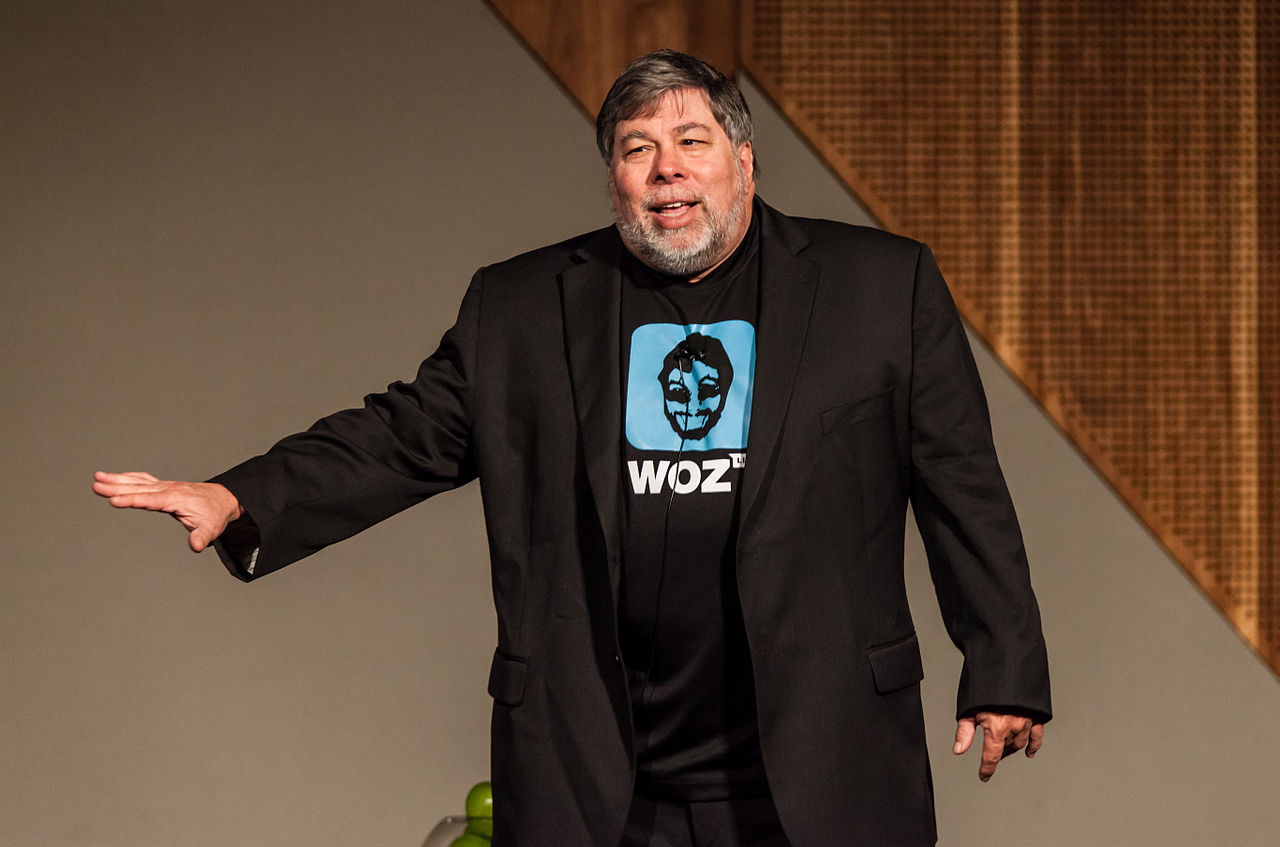
Stephen Gary “Steve” Wozniak, known as “Woz”, developed the 1976 Apple I, the computer that started Apple.

He told BBC Radio 5 live: “I don’t like the idea that Apple might be unfair – not paying taxes the way I do as a person.

“I do a lot of work, I do a lot of travel and I pay over 50% of anything I make in taxes and I believe that’s part of life and you should do it.”

When asked whether Apple should pay tax at the rate, Wozniak said: “Every company in the world should.”

Apple’s channels a lot of its European business through a subsidiary registered in Ireland – where the tax rate is 12.5% (compared to 25% in the UK).

Apple has said that it has received “no selective treatment from Irish officials”, adding that the company is “subject to the same tax laws as the countless other companies that do business in Ireland.”

The corporate tax rate in the US is 35%.

However, according to data gathered by Oxfam, Apple pays an effective tax rate of 26% in the US because of money it receives in tax breaks, as well as keeping almost $200 million held offshore.


“If you make money you should pay some taxes to government on it, I believe that very strongly,” Wozniak said.

“We knew the company we founded in 1976 would be a worldwide company and we just assumed we would pay taxes on it.

“Maybe the taxes are different for a company than they are for a person, but we didn’t think we’d be figuring ways to go off to the Bahamas to have special accounts like people do to hide their money.

“But you know, on the other hand I look back any company that is a public company, its shareholders are going to force it to be as profitable as possible and that means financial people studying all the laws of the world and figuring out all the schemes that work that are technically legal. They’re technically legal and it bothers me and I would not live my life that way,” he added.

Joseph Nordqvist Avatar

Other News

A change of month can make a sale feel farther away, marketing study suggests

Nov 2, 2026

New and established brands drew different responses to advertising appeals in study

Nov 2, 2026

Community promotions gave lesser-known authors a sales lift in Quebec study

Nov 2, 2026

Believable price guarantees linked to greater trust in retailer survey

Nov 1, 2026

Where customers receive free samples can affect what they do next

Nov 1, 2026

Branded search ads showed no clear sales lift in small business tests

Nov 1, 2026

Tokenized markets promise faster trades, but legal rights and liquidity remain unresolved

Nov 1, 2026

Internet coverage alone cannot close the digital divide, World Bank says

Nov 1, 2026

Energy upgrades can save businesses money, but financing the work remains a hurdle

Nov 1, 2026

Why tighter credit can disrupt supply chains before orders disappear

Oct 31, 2026

South Africa plans a more open payments system as digital transactions grow

Oct 31, 2026

African cities face a jobs test as urban populations grow

Oct 31, 2026

Online platforms can open foreign markets, but sellers still face costs

Oct 31, 2026

Trade barriers beyond tariffs can keep Balkan exporters from growing

Oct 31, 2026

Off-grid solar reaches more customers, but affordability limits its growth

Oct 31, 2026

World Bank survey finds a wide gap in business innovation across economies

Oct 30, 2026

Air conditioning is adding a growing challenge for electricity grids

Oct 30, 2026

Fewer bidders can make public contracts harder for businesses and taxpayers

Oct 30, 2026

Small firms’ productivity gap is wider in manufacturing than services

Oct 30, 2026

Battery storage is expanding beyond emergency grid support

Oct 30, 2026