
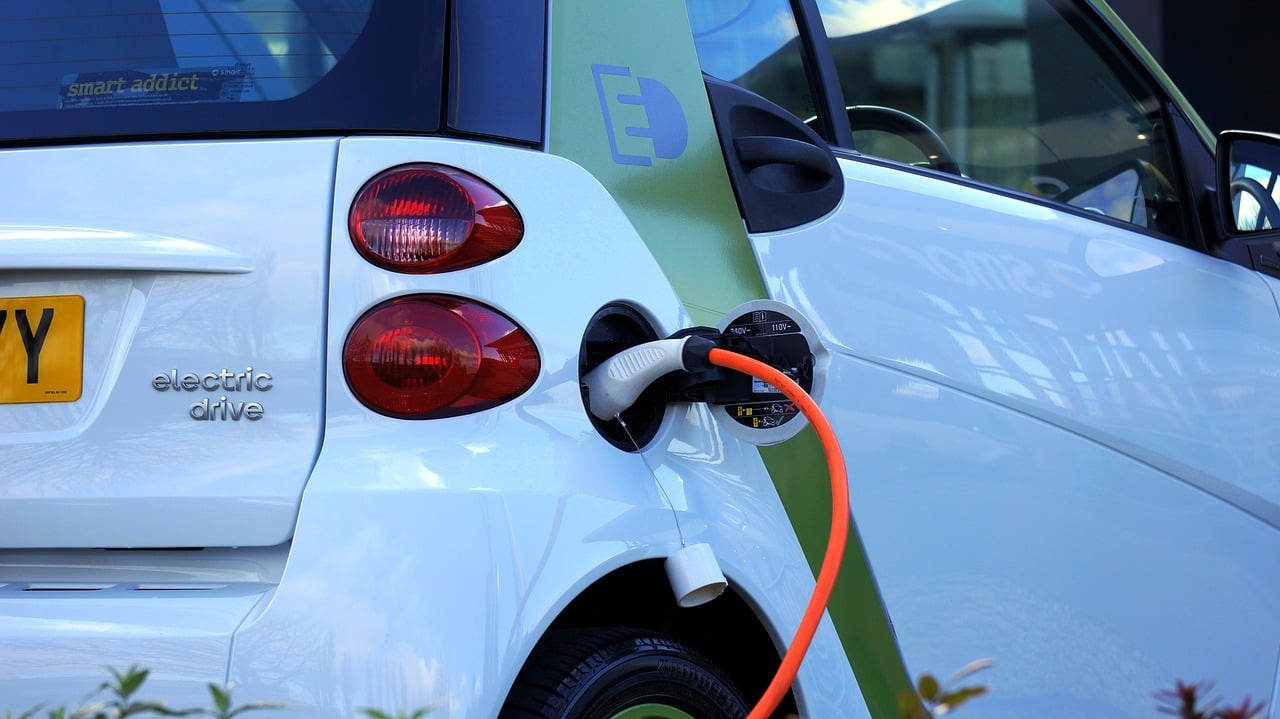
low-carbon transition - electric vehicle

China to ban sale and production of petrol and diesel cars and vans

Written by Joseph Nordqvist

Published: 20:50, September 10, 2017

China is planning to ban the sale and production of petrol and diesel cars and vans as part of an effort to cut oil consumption and pollution and boost the development of electric vehicles.

According to Xinhua, China’s official news agency, Xin Guobin, the vice minister of industry and information technology, said the measures will bring profound changes for the country’s car industry development.

“Some countries have made a timeline for when to stop the production and sales of traditional fuel cars,” Xin said. “The ministry has also started relevant research and will make such a timeline with relevant departments. Those measures will certainly bring profound changes for our car industry’s development.”

Xin did not provide information on when the ban will be implemented, but called on carmakers to adapt to the change.
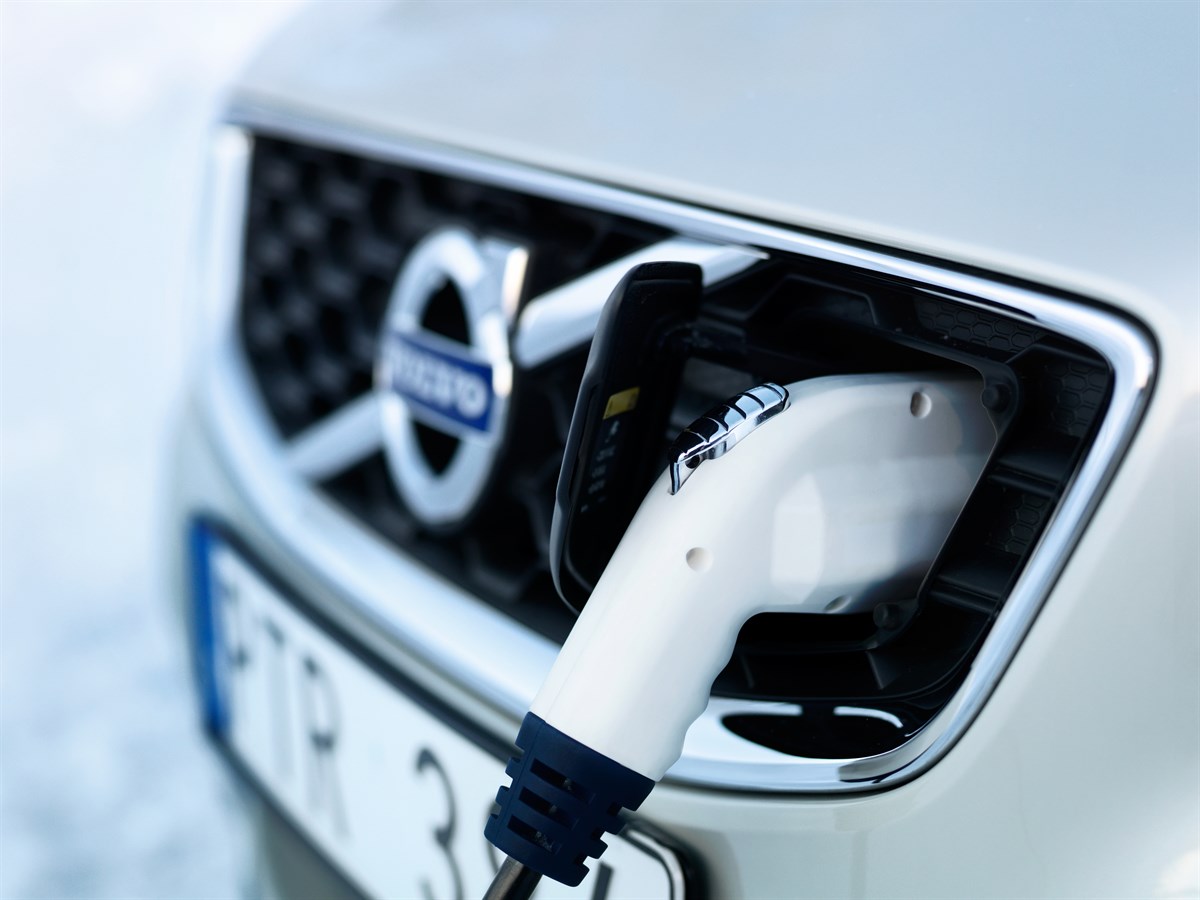
Charging the Volvo C30 electric car
A lot of automakers are adapting to the shift away from fossil-fuel powered cars. Volvo announced that all its cars will be electric or hybrid from 2019.

China is the world’s biggest car market and produced a total of 28 million cars last year, accounting for almost a third of production worldwide.

China is aiming for electric battery cars and plug-in hybrids to account for at least 20% of the country’s total light vehicle sales by 2025.

The decision will have a significant impact on Chinese oil demand. China is currently the second largest oil consumer in the world after the US. China National Petroleum Corp., a major state-owned oil company, forecasts Chinese energy demand to peak by 2040, five years later than its previous forecast of 2035.

The announcement comes after France and Britain announced similar plans to outright ban the sale of new diesel and petrol vehicles by 2040.

Joseph Nordqvist Avatar

Other News

Bank of Japan raises policy rates to 1.25%. What higher borrowing costs mean

Sep 18, 2026

UK retail sales rise 0.5% in August as online stores recover

Sep 18, 2026

Mistras agrees $866 million sale to H.I.G. Capital

Sep 18, 2026

US industrial output stalls in August as manufacturing slips

Sep 18, 2026

Japan’s household financial assets hit a record ¥2,519 trillion. What that measures

Sep 17, 2026

Canada welcomes EU associate-member proposal, but terms are undefined

Sep 17, 2026

Softcat agrees $1.05B GDT acquisition to expand US data-centre services

Sep 17, 2026

Bank Rate held at 3.75% in the UK as energy prices sharpen inflation risk

Sep 17, 2026

East African Community trade reaches $52.3bn as exports drive surplus

Sep 16, 2026

Canada says its investment summit mobilised nearly C$500bn. What does that actually mean?

Sep 16, 2026

May Mobility agrees $1.4B SPAC deal, bets on asset-light robotaxi model

Sep 16, 2026

Fed raises rates to 3.75% to 4.00% as inflation remains elevated

Sep 16, 2026

IBM-backed Anderon finalizes up to $1B US quantum foundry award

Sep 16, 2026

WTO puts the cost of trade fragmentation at up to 10% of global GDP

Sep 15, 2026

Salesforce launches Koa, a CRM reasoning model built on Nvidia’s Nemotron

Sep 15, 2026

Could humanoid AI companions ever replace human partners?

Sep 15, 2026

IEA forecasts record global coal demand after gas prices climb

Sep 15, 2026

UK government to pursue public acquisition of Speciality Steel UK

Sep 15, 2026

IMF says global current-account gaps widened in 2025, led by China and the United States

Sep 14, 2026

Alan Lovell takes over as British Steel chair as government pursues turnaround

Sep 14, 2026