
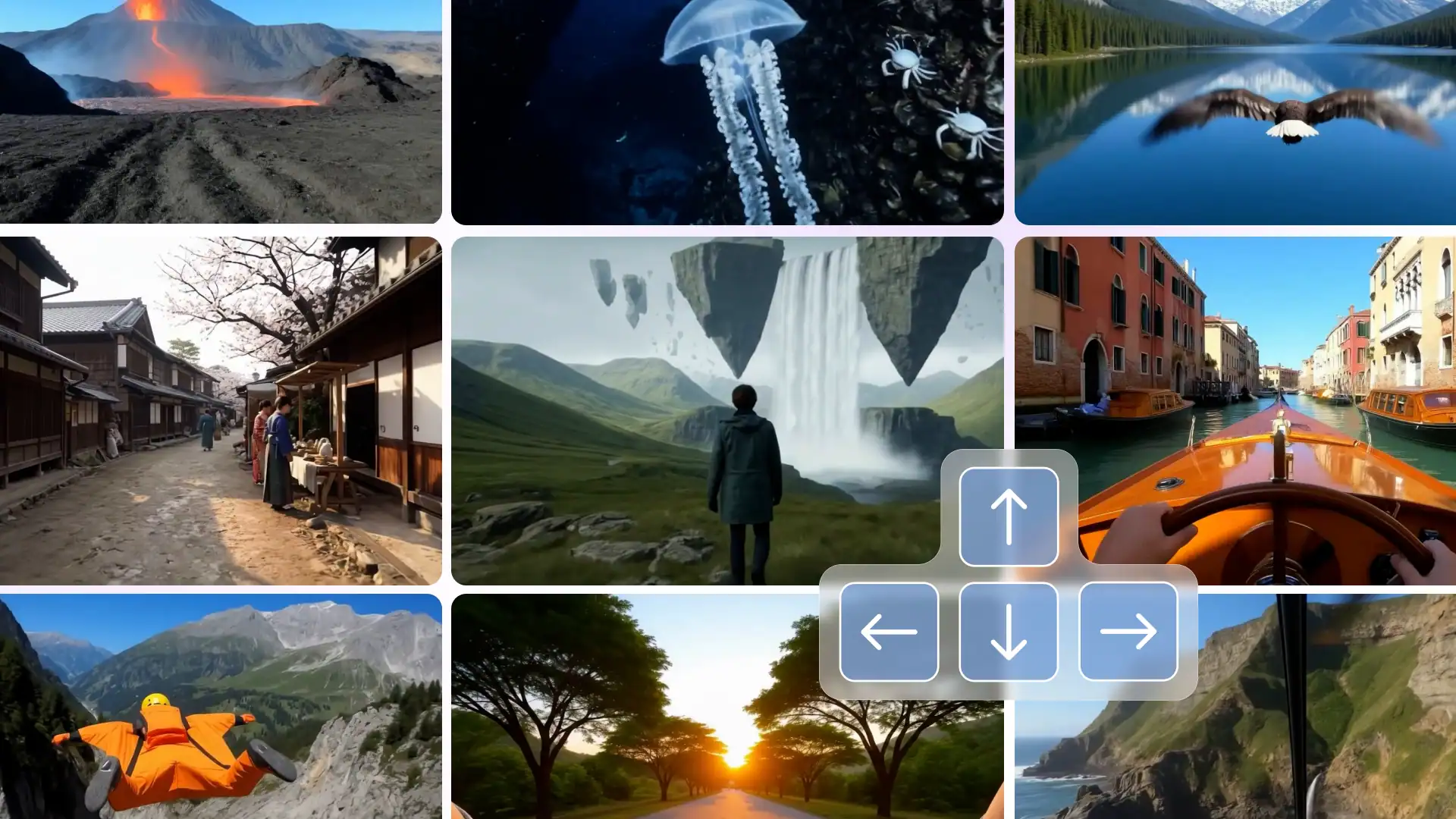
Google DeepMind dropped a big reveal this week with Genie 3, an AI system that builds interactive 3D environments right from your text prompts. Picture this: You type “explore the dunes of Martian terrain” and boom, the AI spins up a playable scene at 24 frames per second in 720p. It holds together for minutes, keeping everything spatially consistent as you move around the Martian 3D environment it generated.
Unlike models that generate short clips or static images, Genie 3 is more akin to a true world builder, grasping physics and semantics in 3D space. DeepMind’s team calls it a “world model,” separate from chatty language AIs, because it simulates real environments you can poke, prod, and alter on the spot.
What if you could not only watch a generated video, but explore it too? 🌐
— Google DeepMind (@GoogleDeepMind) August 5, 2025
Genie 3 is our groundbreaking world model that creates interactive, playable environments from a single text prompt.
From photorealistic landscapes to fantasy realms, the possibilities are endless. 🧵 pic.twitter.com/P0cwFvf5d2
| GameNGen | Genie 2 | Veo | Genie 3 | |
|---|---|---|---|---|
| Resolution | 320p | 360p | 720p to 4K | 720p |
| Domain | Game-specific | 3D Environments | General | General |
| Control | Game-specific | Limited keyboard / mouse actions | Video-level description* | Navigation; Promptable world events |
| Interaction Horizon | A few seconds | 10-20 seconds | 8 seconds | Multiple minutes |
| Interaction Latency | Real time | Not real time | N/A | Real time |
| *Additional controls such as references, style and camera are available. Data Source: Google DeepMind – “Genie 3: A new frontier for world models” |
||||
The Deepmind team tested Genie 3 with their “generalist agent for 3D virtual settings” called SIMA. They showed on their post that when the agent was told to complete specific tasks in different virtual worlds. For example, in a bakery generated environment the team instructed the agent to “Go to the rack of aluminium sheet pans, then walk over the large, red industrial stand mixer on the counter.” Genie 3 reacted to those movements and built out the world step by step based on the agent’s choices.
There are some limitations though. Actions are quite basic and physics handles simple interactions only. Sessions are capped at just minutes too. There’s also no public launch date, with Google limiting access to select researchers and creators for now, citing safety reviews.
Google positions Genie 3 as a push toward AI that handles any job like a human. Whether it gets there, this tool already changes how we build and interact with digital spaces. Keep an eye out; the next demo might let you build your own world.
What does this technical progress mean for creators?
One of the main questions that came to my mind when looking at the impressive announcement post by Deepmind was the potential for the technology to open the door for indie creators to soon create worlds that were once only limited to studios with massive budgets and teams of hundreds.
Given the massive leap in capability from Genie 2, it’s not a far cry to say that, sometime soon, creators could prototype massive open-worlds without hiring dozens of artists or designers. “Build a sprawling fantasy kingdom with misty mountains and bustling villages,” and Genie 3 can already generate a playable 3D space in real time. Could this level the field? Big studios spend millions on assets, but you grab this tool and prototype epic adventures fast. It democratizes scale, with small teams or lone developers able to create worlds that rival blockbusters, focusing on story and fun instead of grunt work.
DeepMind is aware that while Genie 3 and the progression it’s made have brought with it new challenges for safety and responsibility. “We look forward to working further with the community to develop this technology in a responsible way,” DeepMind said.
And that’s a measured and pragmatic mindset to have. Easy scale invites abuse. Bad actors could flood platforms with harmful content, like violent or biased worlds, faster than moderators can keep up with.
