
PepsiCo announced that it will be replacing the controversial sweetener aspartame with sucralose in Diet Pepsi.
Aspartame-free Diet Pepsi is set to hit shelves in the U.S. later this year.
The beverage giant is making the move in response to consumer surveys indicating that the main reason people are not buying diet colas is because they contain aspartame.
According to Beverage Digest, Diet Pepsi sales dropped 5.2% by volume in the U.S. last year.
“Diet cola drinkers in the U.S. told us they wanted aspartame-free Diet Pepsi, and we’re delivering,” said Seth Kaufman, senior vice president of the Pepsi and Flavors Portfolio.
The move may put pressure on the Coca-Cola Company to do something similar – the company has similarly reported a significant drop in Diet Coke sales.
However, in a statement on Friday, Coke said “there are currently no plans to change the sweetener’’ for Diet Coke. “All of the beverages we offer and ingredients we use are safe,’’ it added.
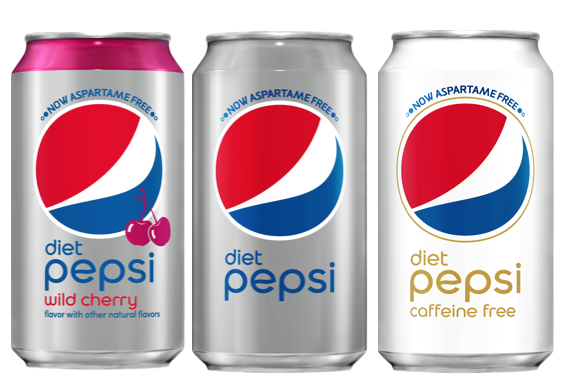
The aspartame-free Diet Pepsi packaging.
In August, Diet Pepsi, Caffeine-Free Diet Pepsi and Wild Cherry Diet Pepsi will be sweetened with sucralose and acesulfame potassium in the US.
Is aspartame a real concern consumers should have?
Many consumers believe that the artificial sweetener aspartame is associated with health risks.
However, the American Beverage Association says artificial sweeteners are one of “the most studied and reviewed ingredients’’
Currently aspartame has been deemed safe for human consumption by over 100 regulatory agencies in their respective countries.
The European Food Safety Authority published a report recently which said that aspartame is among the most “researched ingredients in the world and safe.”
Despite all of this, wary consumers will be pleased to know Pepsi has made the change.
