
The Bank of England has banned former boss of Co-op Bank, Barry Tootell, from senior roles in the banking sector after jeopordising the future of the bank by prioritising short-term profits.
It is the first time in history that the central bank has barred a former chief executive of a bank.
The BoE’s Prudential Regulation Authority said Barry Tootell had been banned for “breaches” in the running of Co-operative Bank.
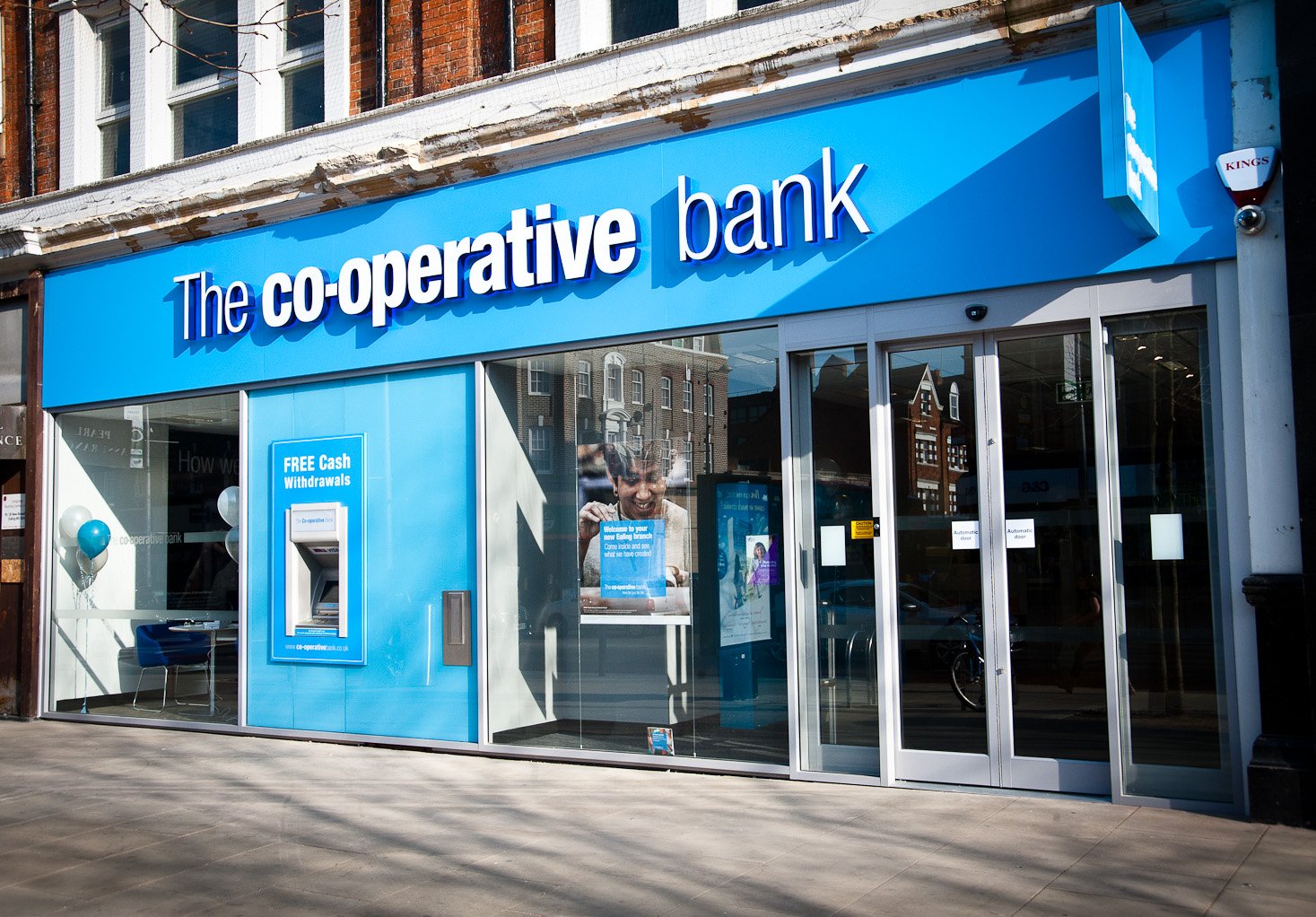
Co-operative Bank nearly collapsed in 2013 and was the subject of a rescue plan to address a capital shortfall of around £1.9 billion.
The PRA said Mr Tootell “did not exercise due skill, care and diligence in carrying out his role as chief financial officer and later chief executive”.
PRA chief executive Andrew Bailey said: “This action makes clear that there are serious consequences for senior individuals who fall short of the PRA’s expectations.”
Between July 2009 and May 2013 Mr Tootell “was centrally involved in a culture within the Co-op Bank which encouraged prioritising the short-term financial position of the firm at the cost of taking prudent and sustainable actions to secure the firm’s longer-term capital position,” the PRA stated.
The PRA also banned Keith Alderson, a former managing director of the Co-op Bank’s corporate and business banking division, from top level banking positions.
In addition to banning the two executives from top level jobs in the sector, the PRA fined Mr Tootell £173,802 and Mr Alderson was fined £88,890.
Simon Walker, director general of the Institute of Directors, was quoted by the BBC as saying: “This is further proof that the leadership of the Co-operative Bank in the run up to its spectacular failure was woefully lacking in the skills, knowledge, and decision-making needed for a major financial institution.”
Since 2013 the bank has reported progress in its rehabilitation, narrowing its losses and strengthening its capital position, but it isn’t expected to make a full-year profit until 2017 at the earliest.
The bank’s current chief executive Niall Booker, who was appointed in 2013, said last August that he expected the bank would be “part of the consolidation of some of the country’s smaller banks.”
