
HSBC logo

HSBC shareholders vote in favour of new executive pay policy

Written by Joseph Nordqvist

Published: 02:58, April 23, 2016

HSBC shareholders voted to approve a new pay policy for executive directors on Friday, cutting the maximum amount they can earn by 7%.

The decision by HSBC follows uproar by investors at BP and Anglo American over remuneration policies.

Earlier this week, Pensions and Investment Research Consultants (Pirc) said that the maximum potential awards for executives at HSBC for 2015 were “excessive”.

For 2015 an overwhelming 90.49 per cent of HSBC shareholders voted in favour of chief executive Stuart Gulliver’s £7.3 million pay package and chairman Douglas Flint’s pay package worth £2.49 million.
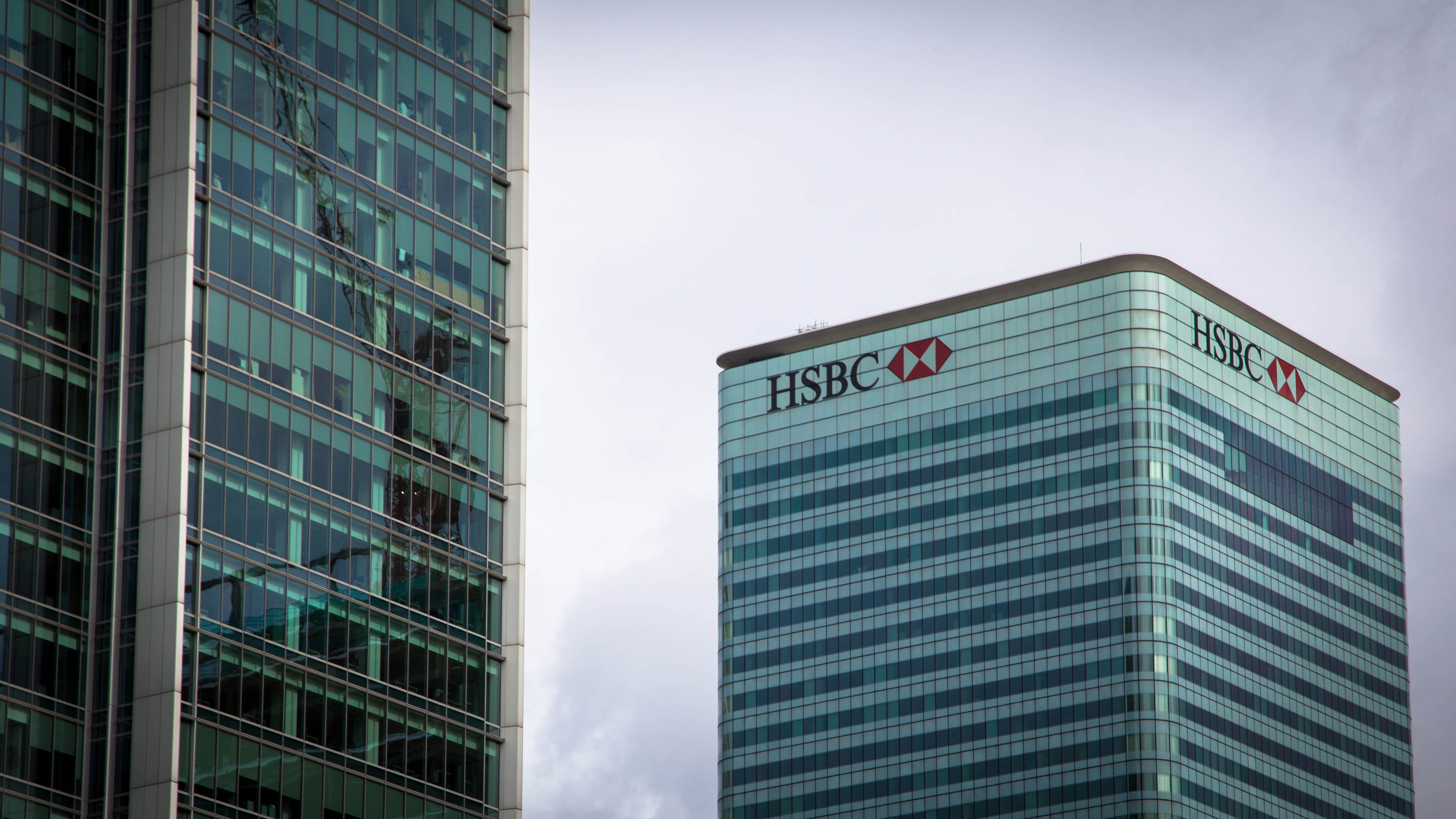
HSBC headquarters, London, 8 Canada Square

The bank reduced the amount of cash given to executive directors in lieu of a pension from 50 per cent to 30 per cent of their base salary.

The new policy was approved by 96 percent of shareholders who voted.

“We had expected that the Remuneration Policy you approved back in 2014 would not need to be refreshed until it expired next year,” Chairman Douglas Flint told shareholders before the vote.

“However, regulatory changes as well as responding to shareholder feedback have caused us to make some revisions to this,” he said.


Flint added that a Brexit would cause economic uncertainty and have a negative impact on the bank.

He said: “From our own narrow perspective, a decision to leave could require a restructuring of some of HSBC’s wholesale operations based in the UK.

“This would clearly depend upon the terms on which the UK would have access prospectively to European markets should the UK vote to leave.”

Joseph Nordqvist Avatar

Other News

Customer-created content was linked to brand perceptions in a survey of Pakistani shoppers

Nov 22, 2026

Shopping games can frustrate customers when rewards and rules are hard to understand

Nov 22, 2026

Text-message business training helped Kenyan entrepreneurs briefly, but gains faded

Nov 22, 2026

Food traceability labels raised stated interest, but ad test found no clear difference

Nov 22, 2026

Letting shoppers keep an item for a partial refund lifted later spending in a field experiment

Nov 22, 2026

Skincare claims that look scientific changed shopping choices in an online experiment

Nov 21, 2026

Crowded settings can make unfamiliar products less appealing in consumer experiments

Nov 21, 2026

Words that describe texture can affect online clothing choices, study finds

Nov 21, 2026

Impact measurement support helped Indian social enterprises grow in a field experiment

Nov 21, 2026

Lyft experiment found a premium ride option shifted some customers to cheaper fares

Nov 21, 2026

Online retailer improved pricing by testing how shoppers respond to rivals

Nov 21, 2026

Environmental reminders reduced return shipments in a fashion retailer experiment

Nov 21, 2026

When a discount is hard to claim, it can reduce sales of the product

Nov 20, 2026

A small step to claim a discount increased redemptions in a coffee campaign

Nov 20, 2026

Ad platforms can target likely buyers without creating the most extra sales

Nov 20, 2026

Sales contests worked better when employees competed in comparable groups

Nov 20, 2026

Social discounts encouraged existing grocery customers to buy more in an experiment

Nov 20, 2026

Free shipping and returns brought more shoppers back in a retail experiment

Nov 20, 2026

Learning about rivals’ robot use changed Italian firms’ investment plans

Nov 20, 2026

Automated lead nurturing does not improve every sales pipeline

Nov 20, 2026