
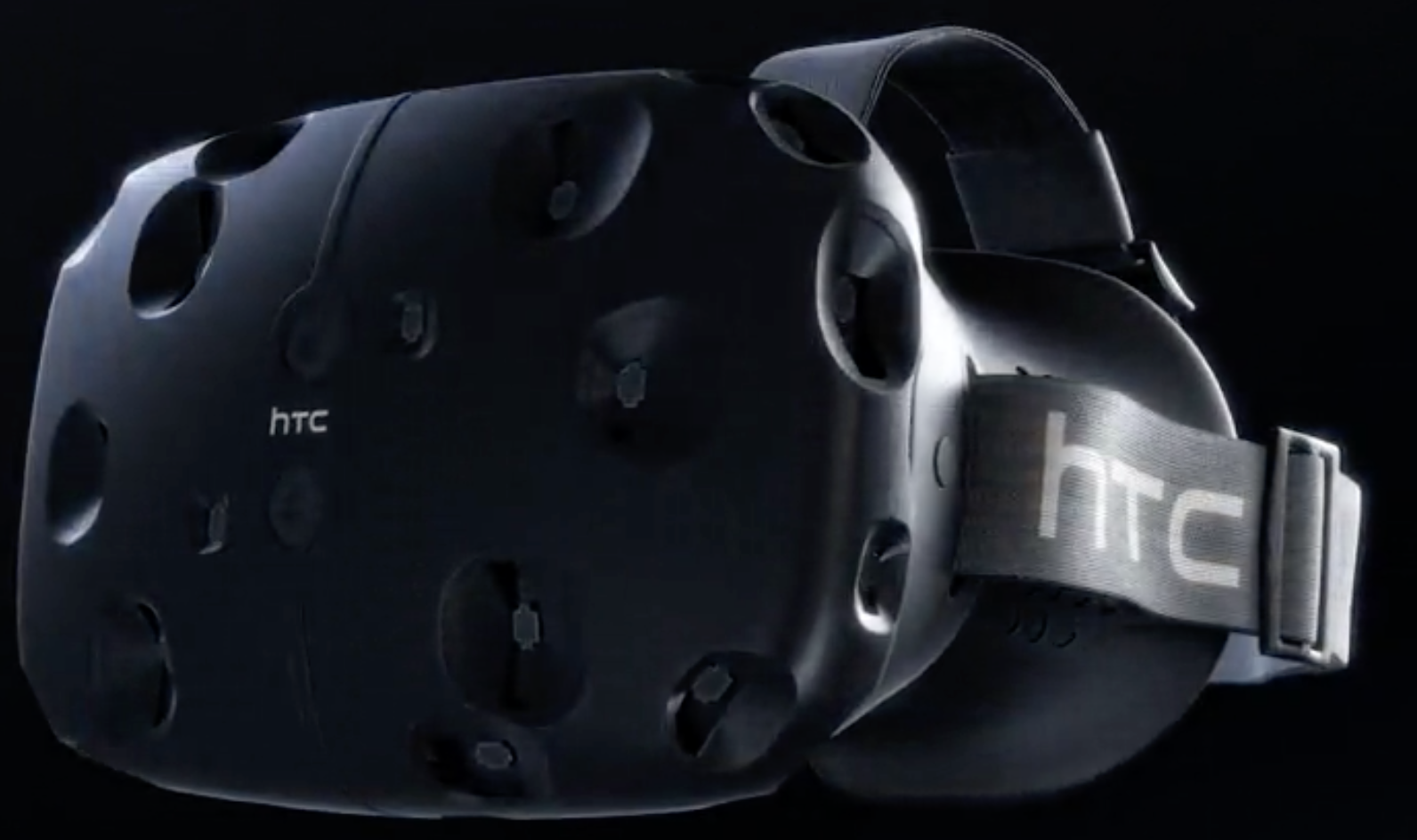
HTC is rolling out its own virtual reality (VR) ad service.
The new VR advertising service will be available for developers on the Viveport marketplace – HTC’s app store for virtual reality.
Virtual reality is software that creates a simulation that users can enter. Users feel as if they are in this other, alternative or virtual world.
The ad service allows Viewport developers to include video ads, app recommendation banners, 2D and 3D in-app placements, and simulated “big screen video” ads into their virtual experiences.

According to HTC, the service intends to “maximize your ad revenue while maintaining a great user experience.”
For the moment, ads will only be an option to implement on free-to-play VR experiences, however, that could easily change in the future.
“Ads that appear in immersive VR environments can not only provide more effective impressions, they can also track whether the users have viewed them or have turned away their gaze. Accordingly, the multiplied effect of effective impressions and verified viewings will bring you higher advertising revenue!” HTC said.
The company states that the platform will be able to detect if the ads are being viewed effectively by consumers.
“Compared to ordinary ad impressions, ads that are seen by users in a immersive VR environment can not only meet the user’s needs by means of precise re-targeting, but can also be detected if they are viewed effectively by users,” HTC states.
“Therefore, promotion of your applications would have much more effective impression, which not only arouses the attention of potential users and enhance brand image, but further attracts interested users directly to download your apps in the VR environment!”
Ultimately, it was only a matter of time for ads to make their way into the VR platform.
And whilst some consumers may not be welcoming the news (for obvious and understandable reasons), monetization is a key driving force behind the development of content in entertainment and media.
