
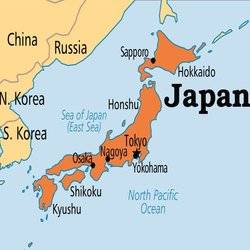
Japan

Japanese third quarter economic contraction more than expected

Written by Joseph Nordqvist

Published: 19:15, December 7, 2014

The Japanese economic contraction in its third quarter (July through September) was much more than expected.

The revised data released on Monday revealed that the tax hike that was put into effect in April had a much bigger hit than predicted.

The revised report revealed that the country experienced annualized 1.9 percent contraction, more than a preliminary 1.6 percent fall.

Takeshi Minami, chief economist at Norinchukin Research Institute, told Reuters:

“The data confirmed a two straight quarter of recession so this is a harsh evidence for Abenomics,”

“Tame growth in wages in particular are likely to drag on private consumption and the broader economic activity.”

The third largest economy in the world fell into a recession. It is expected to post a rebound this quarter though.

The Japanese Cabinet Office data showed that the economy fell 0.5 percent in July-September on a quarter-to-quarter basis. This is a much higher drop than the median market forecast, of only a 0.1 percent drop.

What really drove this fall was the 0.4 percent decline in capital expenditure, revised from a preliminary 0.2 percent fall.

Earlier this year Japanese sales tax rose from 5 percent to 8 percent. This appears to have had a big hit on household spending and has resulted in the economy falling into a recession.

Abe has postponed the second tax hike, from 8 percent to 10 percent, until April 2017. This decision will prevent consumer spending from falling further. In Japan consumer spending accounts for roughly 60 percent of GDP.

The revised GDP results is going to be bad news for the Bank of Japan. The central bank eased policy on October 31, it is believed that it will keep monetary settings unchanged and remain optimistic about the economy.

Most economists expect the Japanese economy to post moderate growth this quarter as there are signs that corporate and household spending is beginning to recover.

Joseph Nordqvist Avatar

Other News

Why the right decade matters: new research could help advertisers use nostalgia more effectively

Aug 3, 2026

Could flexible working unlock a new generation of women leaders in family businesses?

Aug 3, 2026

Can waste become the world’s next fire-resistant building material?

Aug 3, 2026

Public R&D spending can boost the economy before the money is even spent, study finds

Aug 2, 2026

Boehringer Ingelheim’s Mexico City expansion targets 5 billion tablets a year

Aug 2, 2026

Why more accurate AI forecasts don’t always make better investment decisions

Aug 1, 2026

The AI boom is inheriting the geography of America’s old energy economy

Jul 31, 2026

Brands scale AI investment as consumers place greater value on reliability, survey finds

Jul 30, 2026

Customers may praise products they helped create even when they fail

Jul 30, 2026

Study links Uber and Lyft to higher local GDP, but overall job effects remain unclear

Jul 30, 2026

Why some industrial parks create thousands of jobs while others create almost none

Jul 29, 2026

Solar farms meet farming as AI robots work beneath the panels

Jul 28, 2026

Simple chemical treatment could make recycled car plastic almost as strong as new

Jul 28, 2026

Leaf spray could give farmers another tool against salty soil

Jul 28, 2026

Product recalls were linked to lower reported tax rates near year-end

Jul 27, 2026

Land degradation is linked to billions in lost farm output

Jul 26, 2026

Chile’s mining disruption exposes a hidden risk in the AI supply chain

Jul 26, 2026

Bad customer matching can make a profitable ad campaign look like a failure

Jul 26, 2026

1% of resumes contain hidden prompts to trick AI hiring tools

Jul 25, 2026

One fund transaction may have sent the wrong signal about bond investors

Jul 25, 2026