
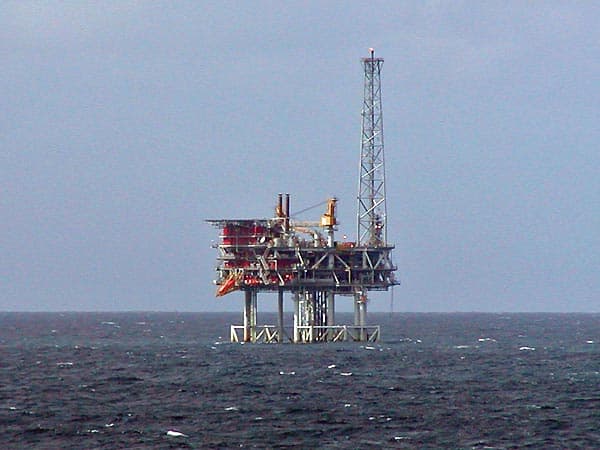
New Zealand is banning all new offshore oil exploration permits as part of an effort to tackle climate change.
Prime Minister Jacinda Ardern said the move will help “protect future generations from climate change”.
The ban will not affect the 22 existing offshore oil and gas exploration permits.
“We are protecting existing exploration and mining rights. No current jobs will be affected by this as we are honoring all agreements with current permit holders,” said Ardern.
“Transitions have to start somewhere and unless we make decisions today that will essentially take effect in 30 or more years’ time, we run the risk of acting too late and causing abrupt shocks to communities and our country,” Ms Ardern said.
“We have been a world leader on critical issues to humanity by being nuclear free… and now we could be world leading in becoming carbon neutral.”
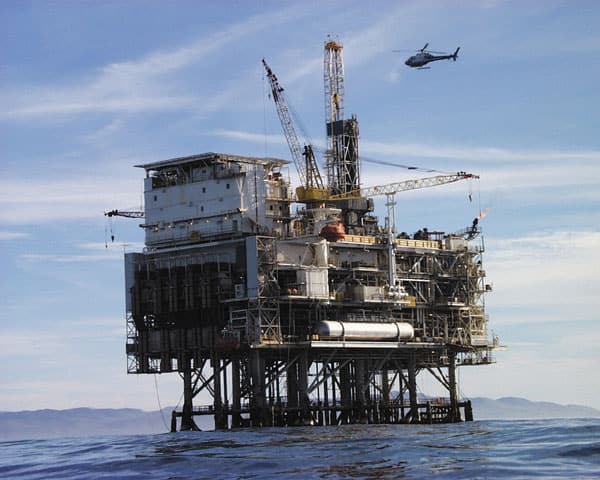
Climate groups have welcomed the ban while industry groups have strongly criticised the move.
Greenpeace Executive Director, Russel Norman, welcomed the decision.
“Prime Minister Jacinda Ardern and her Coalition Government have taken an historic step and delivered a huge win for the climate, spurred on by the tens of thousands of people and environmental NGOs like Greenpeace who have fought for years to end new oil and gas exploration,” Mr Norman said.
“Today’s announcement is significant internationally too. By ending new oil and gas exploration in our waters, the fourth largest Exclusive Economic Zone on the planet is out of bounds for new fossil fuel exploitation. New Zealand has stood up to one of the most powerful industries in the world.”
New Zealand’s oil and gas industry generates about $1.84 billion (£1.29bn) every year and employs over 8,000.
MP Jonathan Young says the ban will “ensure the demise” of NZ’s oil and gas industry
MP for New Plymouth and Energy and Resources Spokesperson Jonathan Young said:
“This decision will ensure the demise of an industry that provides over 8000 high paying jobs and $2.5 billion for the economy.
“Without exploration there will be no investment in oil and gas production or the downstream industries. That means significantly fewer jobs
“This decision is devoid of any rationale. It certainly has nothing to do with climate change. These changes will simply shift production elsewhere in the world, not reduce emissions.”
The Petroleum Exploration and Production Association of New Zealand (PEPANZ) expressed disappointment in the government’s decision, saying it is likely to affect the country’s energy security and international reputation.
“The decision is a lose-lose for New Zealand’s economy and environment, likely to threaten jobs and mean higher prices for consumers,” said PEPANZ CEO Cameron Madgwick.
“This will do nothing to reduce global greenhouse gas emissions and could make them worse. Because petroleum is produced to meet growing global demand, not exploring and producing in New Zealand simply means other countries will produce it instead and we will have to import it at higher cost.”
