
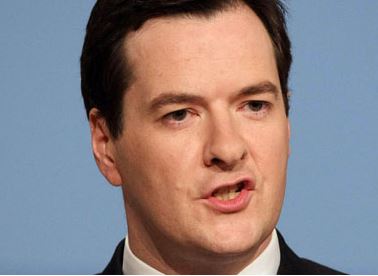
Chancellor George Osborne is unlikely going to meet borrowing goals for the 2015/16 tax year after a smaller-than-expected surplus in January.
According to the Office for National Statistics (ONS), January public finances surplus rose by £1bn to £11.2bn. This was the largest January surplus in eight years, but failed to meet expectations of £12.6bn.
It should be noted that January is typically a surplus month for public finances because of self-assessment tax return receipts.
One of Osborne’s main economic goals has been to lower the UK’s deficit, however, progress has been slow.
Paul Hollingsworth, of Capital Economics, was quoted by the BBC as saying that the Chancellor had “some work to do over the next few months if he still wants to meet this forecast”.
Mr Osborne said in a tweet: “With warnings of weaker economic outlook & challenges for future tax receipts this could bring, we can’t be complacent & think job is done.”
The Office for Budget Responsibility (OBR) commented on the Statistical Bulletin: “On our current data that meeting our full-year forecast for 2015-16 would require borrowing to fall by £18.4 billion in the year as a whole. That implies borrowing of £7.0 billion over the next two months, compared with £14.8 billion in the same period last year.
“Our November forecast does assume stronger growth in receipts in the remainder of the year (particularly income tax and stamp duty land tax) but local authority borrowing as measured in the statistical bulletin looks likely to exceed our November forecast”
The OBR added: “Considerable uncertainty remains over prospects for the remaining two months of the financial year, while data on local authority borrowing are often subject to substantial revisions over subsequent months.”
In order to meet the OBR’s forecast made in November the government will need to borrow £7bn in two months, compared to £7bn each month in the previous year.
Domestic demand is still strong
Retail sales volumes surged 2.3 percent in January compared to a 1.4 percent drop in December – up 5.2 percent up on the year.
“This strong retail sales number is a welcome upside surprise, indicating that domestic demand, at least, remains robust,” HSBC economist Elizabeth Martins told Reuters.

Comments are closed.