
Osborne vows to sell remaining government stake in Lloyds Bank

Written by Joseph Nordqvist

Published: 01:21, April 19, 2015

George Osborne announced on Sunday that he plans on selling billions of pounds worth of Lloyds shares if the Conservative party wins the UK general election.

In the midst of the 2008-2009 financial crisis the UK government, under Labour, pumped over 20 £billion of public money into Lloyds to prevent it from failing. Since then nearly half of the government’s stake has been sold to investors.

Osborne’s plan involves selling off all of the Government’s remaining stake in Lloyds.
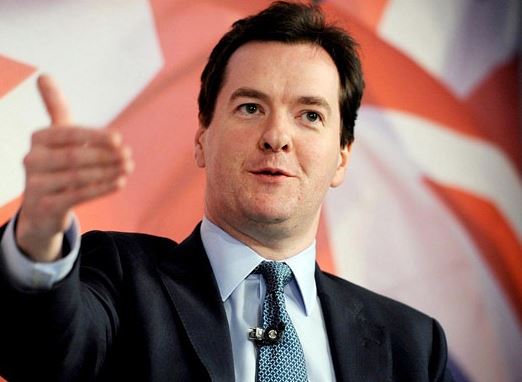
George Osborne

Osborne wrote in the Sunday Telegraph newspaper:

“Not only are we getting taxpayers their money back, we are going to do it in a way that gives many more people a stake in our economy and encourages a culture of long-term share ownership,”

Mr Cameron said:

“The £20bn bail-out of Lloyds bank by the last Labour government became a symbol of the crisis that engulfed the British economy under Labour.

“After the public bailed it out, people feared they wouldn’t see their money returned. Today they are.

“Today’s announcement marks another step in the long journey we have been making repairing our banks, turning our economy around and reducing our national debt, only made possible by our long-term economic plan.”


He added:

“That’s why it is so important that we don’t put all that progress at risk, but instead build on what we’ve done so we can deliver a brighter, more secure future for our country.”

Under the plan shared of Lloyds will be sold at a price of at least 73.6 pence (the price paid per share when it was bailed out). The proceeds of the sale will be used to cut the UK’s national debt.


Joseph Nordqvist Avatar

Other News

New-customer ads beat retargeting in a mattress seller’s field experiment

Nov 7, 2026

Marketing strategy can influence whether companies buy or partner, research finds

Nov 7, 2026

Some discounts can reduce sales when customers struggle to qualify

Nov 7, 2026

Large text can make busy social images less engaging, study finds

Nov 6, 2026

AI shopping agents missed better unit prices when product details were costly to inspect

Nov 6, 2026

Asking for online reviews can affect what customers spend next, hotel study finds

Nov 6, 2026

Repeated marketing tests reveal why customers respond differently to offers

Nov 6, 2026

A coupon lifted the promoted product’s value without an equal gain for the retailer

Nov 6, 2026

Hotel reviews changed when ChatGPT became available, study of Italian ban finds

Nov 5, 2026

Immediate subscription access was linked to longer commitment in four studies

Nov 5, 2026

AI video ads prompted emotional reactions in a small laboratory study

Nov 5, 2026

Retailers expanded online sales faster than customer management tools, OECD data show

Nov 5, 2026

A small trial fee drew more interest than a free offer in a Korean study

Nov 4, 2026

Helping small retailers set up payment devices increased adoption in Mexico study

Nov 4, 2026

Retail display ads can shape what shoppers expect before they inspect a product

Nov 3, 2026

Grocery price displays can change what shoppers buy without changing the price

Nov 3, 2026

Product reviews can influence how shoppers assess environmental claims

Nov 3, 2026

Discounts for infrequent buyers can affect how regular customers feel

Nov 3, 2026

Sponsored post frequency has an uneven relationship with influencer engagement

Nov 3, 2026

Regular giving can affect how customers view corporate donations, study finds

Nov 2, 2026