

Procter & Gamble announced that it plans to divest around 100 of its underperforming brands over the next couple of months. The brands being divested will either be sold, consolidated into another business, or outright discontinued.
The company had previously announced that it was going to be downsizing around 70 brands. Downsizing in business refers to making a company leaner, reducing its operating costs, usually by laying off workers, closing departments and plant closures.
Procter & Gamble CEO Alan G. Lafley said that more information will be available before the summer.
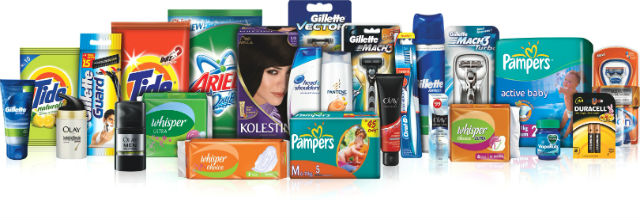
The American multinational consumer goods company based in Cincinnati, Ohio, has a range of brands that sell pet foods, cleaning agents, personal care products, and other consumer goods. Its Bounty, Crest and Tide—are global products available on several continents.
Currently P&G’s largest divestiture is to sell off Duracell batteries to Warren Buffett’s Berkshire Hathaway, which brings in approximately $2.6 billion in annual revenue.
Other brands that the company owns expected to be sold off include Wella and other fashion-related businesses.
P&G chief financial officer Jon Moeller said that divesting the brands is expected to reduce the company’s annual sales by 14 percent. In total, the brands that will be divested have combined annual sales of $11 billion.
At an annual conference of the Consumer Analyst Group of New York in Boca Raton Jon Moeller said,
“The businesses we’re exiting are not bad businesses. Most simply do not play to our strengths.”
“The company will concentrate on key segments after the divestments in the 100 brands. P&G will focus on Tide detergent, Gillette razors and Pampers diapers among the 65 brands it plans to concentrate after the consolidation of its brand portfolio”.
In a separate statement CEO Alan Lafley said,
“The broadest articulation of the company’s strategy is we’re going to play where we can create significant consumer preference for differentiated, premium-priced brands and clearly, noticeably, importantly better-performing products.”
