
Russia’s central bank increased its benchmark interest rate from 10.5 percent to 17 percent – effective today.
The announcement was made in the middle of the night in Moscow as policy makers tried to find ways to prevent the economy from collapsing, ease investor concerns, and boost its currency.
The ruble’s value has declined by almost 50 percent since the beginning of the year. It has been significantly affected by European sanctions imposed over the conflict in Ukraine and the global plunge in oil prices.
A weak ruble bumps up the cost of imports, adding inflationary pressures. The plunge in oil prices results in the government having less money to deal with a downturn and may force Russia to burden itself with more debt.
Piotr Matys, a currency strategist at Rabobank International in London, said:
“While such drastic tightening measures will inflict more pain on the economy, we have been arguing for a while that it is not about preventing recession, but a full-scale financial turmoil caused by the precipitous ruble fall,”
The Russian central bank said in the statement:
“This decision is aimed at limiting substantially increased ruble depreciation risks and inflation risks,”
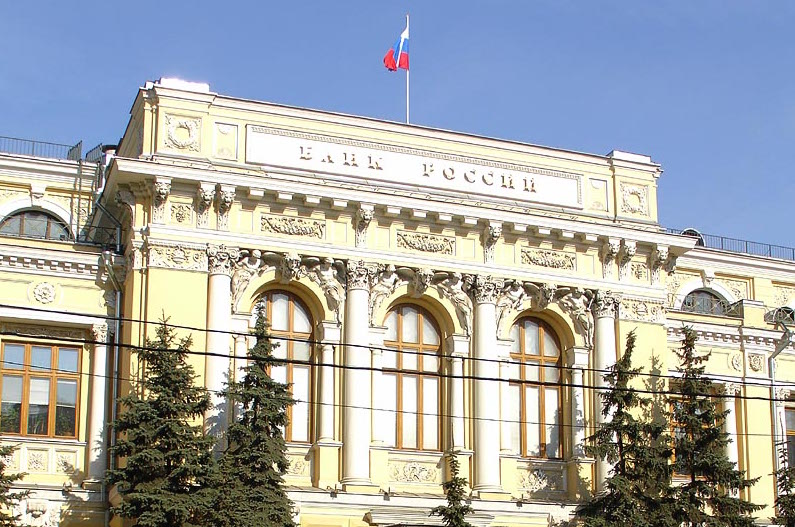
The Bank of Russia hopes that by increasing rates it will prevent the ruble from tumbling even more.
Through increasing interest rates, the bank hopes that investors will be more financially inclined to keep their money in Russia. However, there are also risks with increasing interest rates. One significant concern is that it will prevent growth as consumers and businesses find it more difficult to borrow and spend.
Barry Eichengreen, an economist at the University of California, Berkeley, said:
“They did it as a lure to encourage people to keep their rubles at home rather than continue to flee the currency and the country. It’s a way of buying time. It doesn’t solve any of the underlying issues that the Russian economy has”
The Bank of Russia has gradually increased the benchmark rate from 5.5 percent since January this year.
