
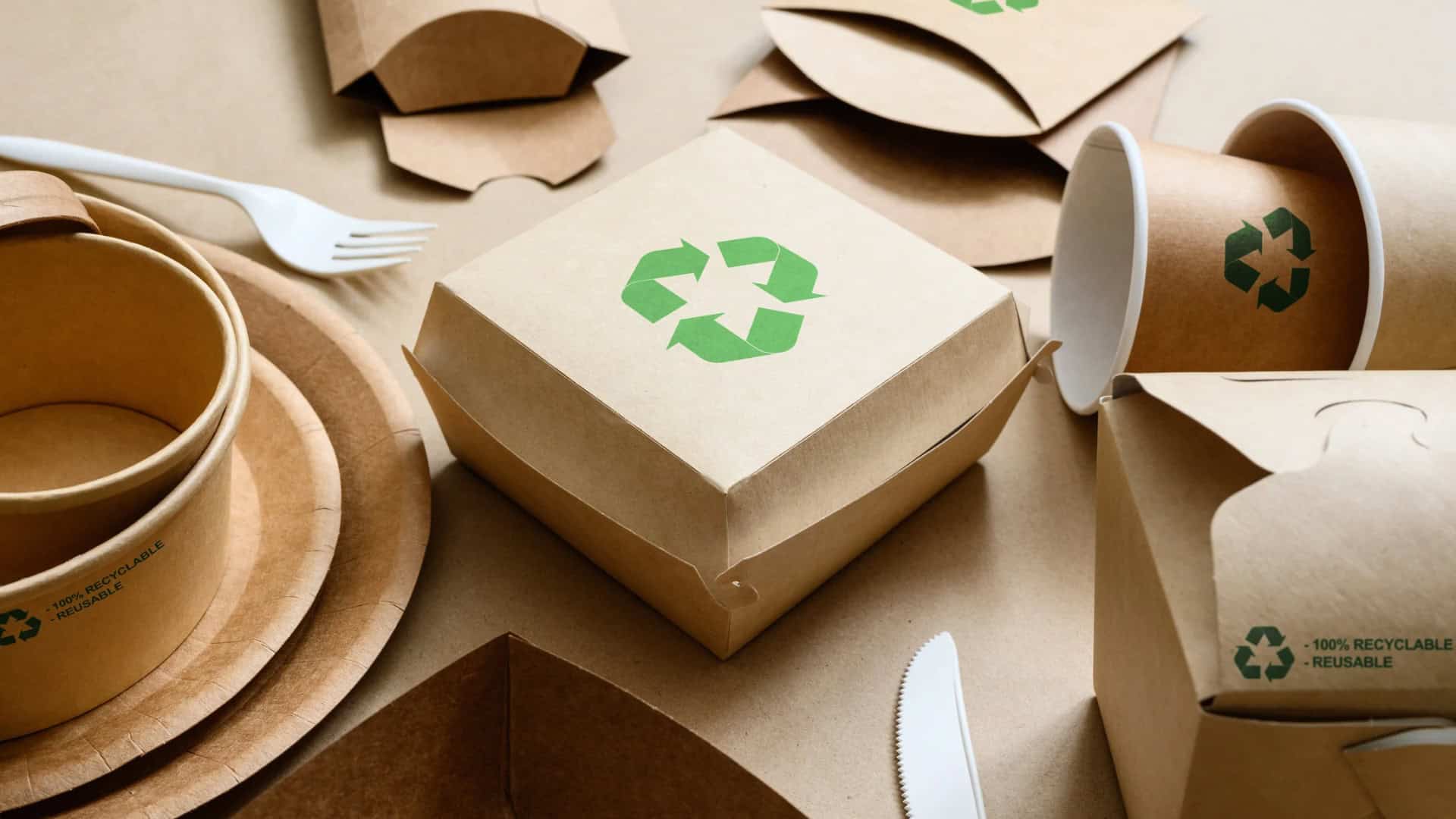
Researchers at Boston University have developed a biodegradable adhesive made of naturally-sourced biopolymers and carbon dioxide, suitable in both dry and wet environments.
The chemical components of the adhesive break down after use, making it a more environmentally friendly alternative to conventional adhesives that aren’t very eco-friendly.
The research team set out to devise an adhesive system comprised of biodegradable polymers capable of sticking to anything just as well, or better, than current plastic-based products on the market.
“We are replacing current materials that are not degradable with something better for the environment while still maintaining the properties we expect from a performance standpoint,” says Mark Grinstaff, a professor of translational research at the College of Engineering, a professor of chemistry, and director of the Grinstaff Group at Boston University.
“We can have both, we just have to be smart about how we do it,” Grinstaff adds.
The polymeric adhesive system is composed of environmentally benign building blocks and implements carbon dioxide sequestration techniques. The researchers say it poses minimal environmental hazards, exhibits varied peel strengths from scotch tape to hot-melt wood-glue, and adheres to metal, glass, wood, and Teflon surfaces.
The sticking strength of the substance can be tweaked by adjusting the ratio of polymers and CO2.
“We wanted to mimic the plastic binders in paints that make them stick to the wall,” explains Anjeza Beharaj, who earned her PhD in organic chemistry while working in the Grinstaff Group.
The key ingredient of the new adhesive, is carbon dioxide — about 20 to 40 percent of the adhesive is composed of CO2.
“We tend to think of carbon as a polluting gas in the atmosphere, and it can be, in excessive amounts. But what’s exciting is that this material repurposes carbon dioxide that would otherwise go into the atmosphere, and there’s a potential for oil refineries and production plants to repurpose the gas for environmentally friendly polymers. So it’s a win for the environment and a win for the consumer, as it can potentially lower the price of goods since CO2 is a cheap raw material,” she says.
The researchers say the adhesive they developed will take a year or less to fully break down in the environment. In comparison, plastic takes hundreds of years to break down.
“This represents good progress toward making products greener, which should be a priority for the scientific community right now,” says McCaslin, who is working toward a BA/MA in biochemistry.
Journal Citation
Beharaj, A., McCaslin, E.Z., Blessing, W.A. et al. “Sustainable polycarbonate adhesives for dry and aqueous conditions with thermoresponsive properties.” Nat Commun 10, 5478 (2019) doi:10.1038/s41467-019-13449-y
