
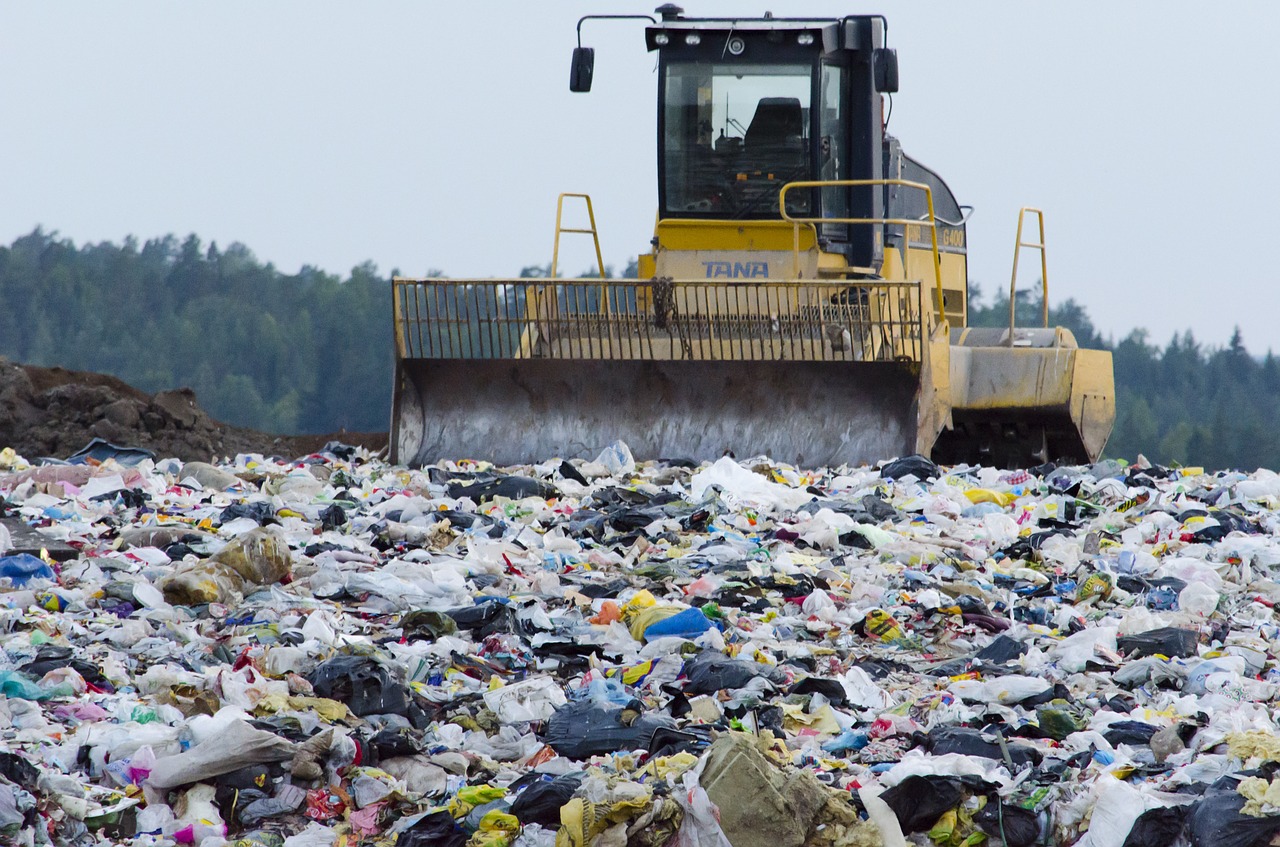
The UK government is offering £22 million to back projects that will develop waste-based fuels for planes and lorries.
The scheme is part of a plan to cut greenhouse gas emissions, which the UK is committed to reducing by 80 percent by 2050.
 The UK government say they want to see Britain pioneering research and development in the waste-based fuels sector. Image: pixabay-879437
The Department for Transport (DfT) suggest that planes and heavy goods vehicles (HGVs) powered by waste-based fuels instead of traditional fossil fuels can use up to 90 percent less carbon.
The initiative follows other recently published plans to encourage the motor industry to produce ultra-low emission electric cars and vans.
The intention there is to ban all new petrol and diesel cars and vans by 2040 and to have nearly every car and van on roads in the UK to be zero emission by 2050.
Poor air quality
The government have identified poor air quality as the “largest environmental risk to public health in the UK,” of which nitrogen dioxide from traffic pollution forms a significant part.
Planes and lorries are too heavy to run on electric power, so the new scheme is to help innovators lead the way in developing alternative fuels for aviation and HGVs that are clean, sustainable, and efficient.
Transport Minister Jesse Norman says that the government recognize that planes and lorries will have to “rely on more traditional fuels for years to come,” and so they “must promote environmentally friendly alternatives.”
Five waste-based fuel plants by 2021
The DfT anticipate that the £22 million fund will help to establish five new low carbon fuel plants by 2021.
They also expect that the sector will eventually contribute £600 million a year to the British economy and help create up to 9,800 new jobs.
The new fuels will be chemically similar to the fuels currently used in aircraft, so there will be no need to modify the engines.
The Dft say that “biofuels made from waste products could be even more sustainable than current crop-based biofuels, already used in some road-based vehicles.”
Europe and North America have already trialled sustainable, waste-based jet fuels, and the UK government also want to see Britain pioneering research and development in this area.
More than 70 groups have already expressed an interest and wish to apply for the funding.
Interested parties can get in touch via the Future Fuels for Flight and Freight Competition (F4C) website.
