
amazon_brick_and_mortar_store_seattle

Amazon looking into adding AR and VR to its physical stores

Written by Joseph Nordqvist

Published: 19:02, March 27, 2017

Amazon is exploring the idea of adding virtual reality and augmented reality to its physical brick and mortar retail stores, part of an effort to give consumers a better idea of what certain products would look like in their home.

Although Amazon’s current real-life retail presence is currently limited to groceries and books, a New York Times report, citing someone familiar with Amazon’s plans, said (speaking on the condition of anonymity) that the Seattle-based tech giant is looking into opening physical stores that also sell home appliances and furniture.
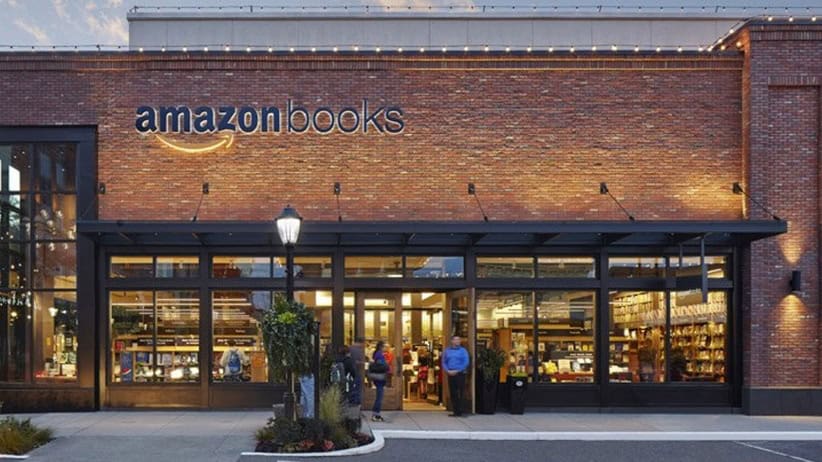
amazon_brick_and_mortar_store_seattle
A physical Amazon store in Seattle, Washington.

Some items require a more personal assessment

Furniture and home appliances are the types of products that many consumers don’t feel comfortable purchasing online by simply looking at an image of the product and text description. These products require a more personal assessment, with the ability to see the product in-person being a key factor.

As Jamie Condliffe, associate editor of news and commentary for MIT Technology Review, said in his report on the development, introducing these new physical stores would “allow the company to capitalize on large markets where people like to see and feel the products they’re buying, rather than simply looking at them in a Web browser.”

The person briefed on the talks told The New York Times that Amazon has “considered using forms of augmented or virtual reality to allow people to see how couches, stoves and credenzas will look in their homes.”

Could dramatically change how we buy things

If Amazon goes through with this idea it would be a game-changing way in which consumers buy physical products. If not, the idea itself highlights a promising application of VR/AR in a retail environment.

Augmented and virtual reality are different things. Augmented reality provides information about things in your field of vision. Virtual reality, on the other hand, takes you to a pretend place, a virtual world, where you can do things.

Joseph Nordqvist Avatar

Other News

Retail app ads may influence what customers do after installation

Nov 15, 2026

A bank tested AI customer twins for marketing, with mixed lessons for businesses

Nov 15, 2026

What makes a product vintage, and why the distinction matters to retailers

Nov 15, 2026

EU business social media use rises, but a gap remains by company size

Nov 15, 2026

Why startups may benefit from testing locally before expanding abroad

Nov 14, 2026

Novel product ideas can be harder to try but more rewarding afterward

Nov 14, 2026

What is in an online cart can influence whether shoppers check out

Nov 14, 2026

Subscription plans can miss customers who would save money, Lyft research finds

Nov 14, 2026

Workers with worse shifts than their colleagues were more likely to leave, restaurant study finds

Nov 14, 2026

More product options do not always reach more customers, cosmetics study finds

Nov 14, 2026

EU household spending grew in 2025 as communication purchases led gains

Nov 13, 2026

Ad experiments can help predict which campaigns drive additional sales

Nov 13, 2026

Browser choice screens lifted Firefox usage in Europe, researchers find

Nov 13, 2026

Online product rankings can cut shipping costs without reducing sales, experiment finds

Nov 13, 2026

Large companies lead EU service exports, but smaller firms dominate in some markets

Nov 13, 2026

Cart reminder timing is linked to different shopper responses

Nov 12, 2026

AI labels changed how consumers judged food images in three experiments

Nov 12, 2026

Shared AI tools were linked to higher sales for small online sellers

Nov 12, 2026

An image ad people like may not be the one they remember

Nov 12, 2026

Upfront rental prices changed competition as nightly rates rose in a study

Nov 12, 2026