
iphone battery charging

Apple is working on wireless charging technology for the iPhone

Written by Joseph Nordqvist

Published: 11:37, January 29, 2016

Apple wants to bring wireless charging technology to iPhones and iPads ‘as soon as next year’, according to a recent report by Bloomberg.

People familiar with the matter told Bloomberg that Apple is developing new technologies which would essentially allow iPhones and iPads to recharge at a further distance away than current charging mats offered by other smartphone makers.

Developing wireless charging technology which does not require direct contact with a power mat is not an easy task. As Bloomberg points out, “efficiency of power transfer decreases as the distance between transmitter and receiver grows.” Apple is going to have to overcome a number of technical barriers for the technology to become a reality.
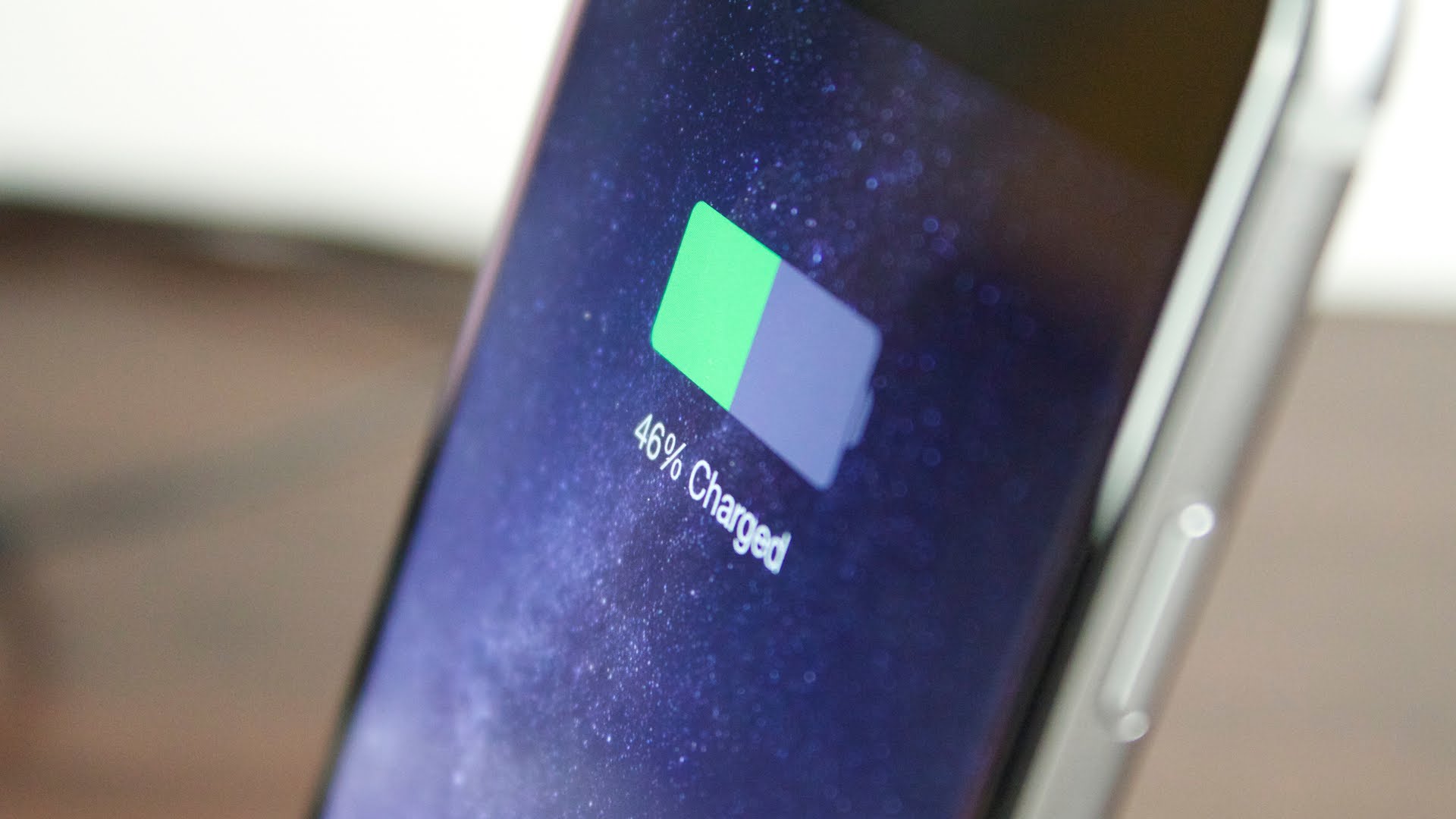
iphone battery charging
Apple is reportedly working on wireless (and contact-less) charging technology for the iPhone.

Apple has already looked into wireless technology for a while now. The company was granted a patent in which an iMac acts as a wireless charging station capable of recharging devices at a distance of about 1 meter using a technique called near-field magnetic resonance. The tech giant uses a similar technique, known as induction, to wirelessly charge the Apple Watch.

So wireless charging is nothing new for the company, but Apple needs to offer something innovative if it wants to retain its share of the smartphone market. Launching wireless charging tech which doesn’t require a power mat definitely appeal to consumers.

iPhones and iPads account for over three quarters of revenue for the company. Major rivals, such as Samsung and Sony, have already released wireless-charging tech for their smartphones, so it’s imperative for Apple to offer a similar feature at the very least to remain competitive.

Joseph Nordqvist Avatar

Other News

How IBM expanded marketing experiments by changing who could run them

Nov 24, 2026

Grocery discounts do not lift every brand’s sales equally, study finds

Nov 24, 2026

A low upfront price can obscure the cost of refills, study finds

Nov 24, 2026

How medical device startups describe their products may affect clearance times

Nov 23, 2026

Why cheaper grocery products can face faster inflation when costs rise

Nov 23, 2026

One office day a month was followed by more calls handled in a remote-work experiment

Nov 23, 2026

An AI shopping assistant increased sales in a livestream experiment

Nov 23, 2026

Starting an idea without AI changed employees’ sense of ownership in an H&M test

Nov 23, 2026

Showing the extra cost of a larger pack changed buying choices in an online test

Nov 23, 2026

Looking at products together can help identify competitors, camera study finds

Nov 23, 2026

Removing unauthorized book copies produced an uncertain sales result in a field experiment

Nov 23, 2026

Warnings did not consistently undo the influence of product lineups

Nov 23, 2026

Demographic ad targeting can change how fairly consumers view a brand

Nov 22, 2026

Matching online and store prices had mixed effects at one electronics retailer

Nov 22, 2026

Meal-kit displays showed no clear sales lift for plant-based products in Belgian stores

Nov 22, 2026

High switching costs weakened price competition in a laboratory market

Nov 22, 2026

A digital product passport changed toothbrush valuations in a lab study

Nov 22, 2026

Purchase-linked donations can change direct giving in a small experiment

Nov 22, 2026

Volunteer recruitment emails were followed by more donations in a nonprofit experiment

Nov 22, 2026

Customer-created content was linked to brand perceptions in a survey of Pakistani shoppers

Nov 22, 2026