
Automation risks worsening wage inequality in the UK, widening the income gap of the country’s richest and poorest, according to a new report by the Institute for Public Policy Research.
Income inequality is a measurement of the difference between the highest and lowest earners in an economy.
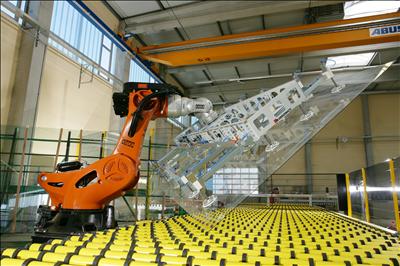
The report found that the rise of automation will affect low-wage, low-skilled jobs the most; as robots begin mastering tasks that are currently performed by human workers.
The IPPR said low-wage jobs have five times more “technical potential” to be automated than highly-paid jobs, with the transportation, manufacturing and retail trade sectors among those at highest risk.
The IPPR’s analysis shows that 44% of current jobs in Britain have the potential to be automated and are associated with £290bn of wages each year.
Carys Roberts, a research fellow at the IPPR, was quoted by Yahoo Finance as saying: “Some people will get a pay rise while others are trapped in low-pay, low-productivity sectors.
“To avoid inequality rising, the government should look at ways to spread capital ownership, and make sure everyone benefits from increased automation.”
Despite the risks automation poses to low-wage jobs, the think tank did say that new technologies in the field have the potential to help raise UK productivity growth by between 0.8 to 1.4% annually and give the economy a GDP boost of up to 10% by 2030.
Mathew Lawrence, a senior research fellow at the IPPR, said: “Managed badly, the benefits of automation could be narrowly concentrated, benefiting those who own capital and highly skilled workers. Inequality would spiral.
“Managed well, though, with a strategy to increase adoption of technologies in the everyday economy and new models of ownership to spread the benefits, automation could help create a future of shared economic plenty.”
Government “committed” to overcoming obstacles
A spokesman for the Department for Business, Energy and Industrial Strategy told the BBC that the labour market is “resilient and diverse”, adding that new technologies help “bring new jobs”.
“The government is committed to ensuring that the UK is to able to seize the opportunities and overcome the obstacles that exist in this area,” he said.
“Government is working closely with industry to ensure the benefits of new technologies are felt across different sectors of the economy up and down the country, while creating new high-skill, well-paid jobs.”
