
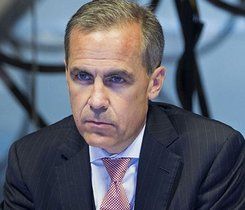
Mark Carney

BoE says it’s possible for interest rates to be cut ‘further towards zero’

Written by Joseph Nordqvist

Published: 07:36, February 5, 2016

The Bank of England just made an unexpected comment on the possibility of slashing interest rates again – for the first time since 2009.

The central bank warned that if the UK economic recovery stalls interest rates could be cut further.

The news comes a blow to those who have seen lacklustre returns on savings.
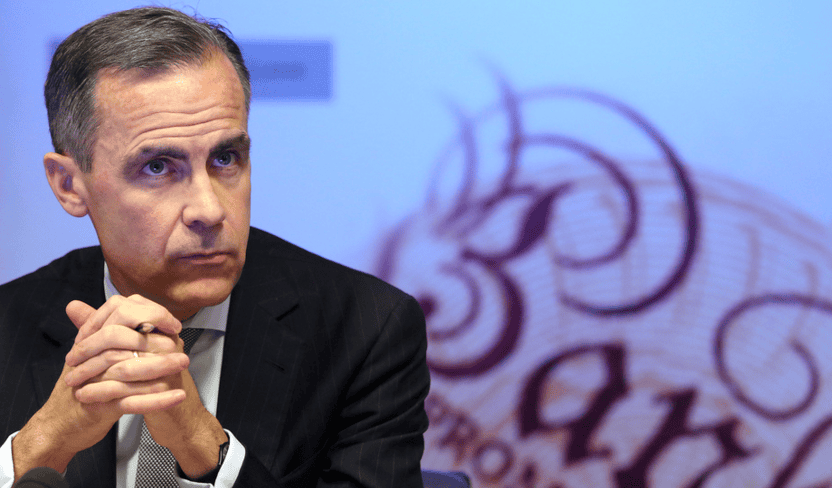
Mark_Carney_BoE_Governor
Governor Mark Carney said rates could be cut ‘further towards zero’ after being kept at 0.5 per cent since March 2009.

Carney stressed that the next change in interest rates is likely going to be a hike, however, he said the BoE ‘stands ready to take whatever action is needed’.

He added: ‘We will do the right thing at the right time on Bank Rate.’

Carney recently highlighted the risks that Britain’s economy faces from Chinese instability and the volatility in financial markets.

“All of these developments pose downside risks to growth in the United Kingdom via trade, financial and confidence channels,” Carney told a news conference.

“The outlook for trade is particularly challenging.”


The BoE Monetary Policy Committee voted 9-0 to keep rates on hold at a record-low 0.5 percent. One of the most prolific members in favour of a rate hike, Ian McCafferty (who had rated for a hike since August) unexpectedly voted against an increase – citing a weak outlook for wage growth.

Mr Carney said it was ‘an easy decision not to raise interest rates’ in the BoE’s most recent meeting – earlier this week.

‘Now is not the time to raise interest rates,’ he said. ‘As one of the most open economies in the world, the UK cannot help but be affected by an unforgiving global environment and sustained financial market turbulence.’

Experts have said that even if the BoE does not slash rates again they don’t expect an increase until 2018.

Joseph Nordqvist Avatar

Other News

Startup training was followed by more closures and stronger funding results in a US experiment

Nov 24, 2026

Information about local rivals changed firms’ AI investment plans in a European study

Nov 24, 2026

Online job ads can understate small employers’ share of hiring opportunities

Nov 24, 2026

How IBM expanded marketing experiments by changing who could run them

Nov 24, 2026

Grocery discounts do not lift every brand’s sales equally, study finds

Nov 24, 2026

A low upfront price can obscure the cost of refills, study finds

Nov 24, 2026

How medical device startups describe their products may affect clearance times

Nov 23, 2026

Why cheaper grocery products can face faster inflation when costs rise

Nov 23, 2026

One office day a month was followed by more calls handled in a remote-work experiment

Nov 23, 2026

An AI shopping assistant increased sales in a livestream experiment

Nov 23, 2026

Starting an idea without AI changed employees’ sense of ownership in an H&M test

Nov 23, 2026

Showing the extra cost of a larger pack changed buying choices in an online test

Nov 23, 2026

Looking at products together can help identify competitors, camera study finds

Nov 23, 2026

Removing unauthorized book copies produced an uncertain sales result in a field experiment

Nov 23, 2026

Warnings did not consistently undo the influence of product lineups

Nov 23, 2026

Demographic ad targeting can change how fairly consumers view a brand

Nov 22, 2026

Matching online and store prices had mixed effects at one electronics retailer

Nov 22, 2026

Meal-kit displays showed no clear sales lift for plant-based products in Belgian stores

Nov 22, 2026

High switching costs weakened price competition in a laboratory market

Nov 22, 2026

A digital product passport changed toothbrush valuations in a lab study

Nov 22, 2026