
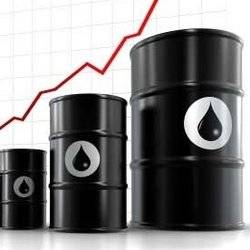
Bond investors should consider oil investments, two authors in a new study believe. Investors have viewed bonds as the safe haven of their investment portfolio. However, all this may soon change as the economy expands and interest rates start going up.
With US interest rates at historically low levels, they will probably rise soon when the GDP growth accelerates, which will be bad for long-term bonds.
Placing money in oil may protect investments
Sharath Sury and Manda Sury released new findings demonstrating that investors with considerable exposure to long-term bonds may be able to protect their investments through allocations to commodities – especially the oil-related energy sector.
In their new study, “The Impact of Crude Oil Investments in Bond Portfolios: Can oil serve as a hedge against long term bonds?“, published in the Social Science Research Network, the authors examined exchange-traded fund (ETF) data over the last five years and in a range of economic cycles.
They detected a surprisingly clear negative correlation between long-term bonds and certain oil-related instruments.
Including oil-related investments in a portfolio
According to their findings, investors may enjoy strong diversification benefits if they include oil-related investments to their portfolios during periods of economic expansion.
Sharath Sury, Executive Director of the Institute for Financial Innovation and Risk Management (SIFIRM) and an Adjunct Professor of Economics at the University of California, who is also father of the co-author, said:
“Practitioners and academics have known for some time that an allocation to commodities in general may provide useful diversification to a bond or equity portfolio.”
“What is surprising is just how strong the inverse correlation has been between long duration bonds and investments in the oil and gas sector.”
The authors say the results of their study provide useful information for investors who may wish to diversify their substantial bond holdings.
Private investors who are exposed to the likelihood of rising interests rates are forever trying to find ways to mitigate the downside that could await long-term bonds.
Sharath Sury said:
“Allocation to the oil and gas sector may provide just the kind of hedge or risk offset that investors need.”
