
After disappointing soda sales, the Coca-Cola Company says it plans to reduce costs by $3 billion per year. The world’s biggest drinks maker aims to meet its cost-cutting target by 2019 through a range of measures, which will include restructuring its worldwide supply chain.
No mention was made regarding job losses. The Atlanta-based company said most of the changes will be announced early in 2015.
Coca-Cola says it needs to spend more on marketing to boost sales, and to fund that it must make savings, i.e. via cost-cutting.
Coca-Cola’s arch rival, PepsiCo is also trying to improve its financial health by reducing costs. Both companies are promoting sales of “mini-cans” as a way of controlling portions and boosting business in the United States.
In its third quarter, the maker of Fanta, Sprite, Powerade and Nestea said global beverage volume increased by 1% in the third quarter (ending Sep. 26). Non-carbonated drinks performed better than its fizzy beverages. In its North American market, historically seen as its flagship region, sales declined by 1% – both carbonated and non-carbonated beverages fell.
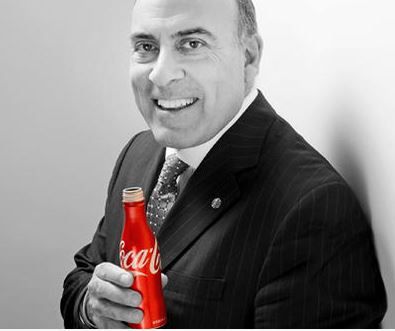
Muhtar Kent expects the business environment to remain ‘challenging’ in 2015. (Photo: Coca-Cola)
PepsiCo has also seen sales fall in North America, but posted gains in its non-carbonated drinks.
Consumer preferences changing
Both rivals sell a huge range of non-fizzy drinks, but they are still trying to boost their soda businesses, a quest many analysts believe is doomed because consumer preferences are changing.
Over the past ten years, US consumers have been drinking fewer soft drinks each week, partly because of a growing awareness that high sugar consumption raises the incidence of obesity and type II diabetes.
Even diet sodas have suffered as concern increases in the general population regarding the health consequences of the long-term consumption of artificial sweeteners.
According to Coca-Cola, promoting the sale of smaller sizes helped raise revenue in North America. The company recently acquired a stake in Keurig Green Mountain, the single-serve coffee maker business, as well as Monster Beverage (makes energy drinks), suggesting it is moving away from its core business.
A strong US dollar contributed to a 14% decline in profit in the third quarter. Coca-Cola warned that it may miss its long-term target of high-single-digit expansion, as well as the 2014 earnings per share forecast.
Coca-Cola Company Chairman and CEO Muhtar Kent said:
“We are taking decisive action to position The Coca-Cola Company to continue delivering long-term value for our shareowners. We have taken a hard look at our progress to date and realize that while the strategies we laid out at the beginning of the year are on the right track, the scope and pace of our actions must increase. In addition to announcing an expanded productivity program, we are streamlining our operations and further aligning our incentive plans to deliver against our growth objectives. We are also evolving our 2020 Vision to reflect these changes. Within this context, we are maintaining our long-term high single-digit EPS growth target, while changing our operating income metric to profit before tax and adjusting our net revenue target to mid single-digit growth.”
“While we expect the macroeconomic environment to remain challenging through 2015, we are confident in our ability to return to sustainable growth over the long term. This confidence is supported by the attractive long-term dynamics of our industry and the unparalleled reach of our brands and our global system. We are fully dedicated to strengthening our position as the world’s leading beverage company.”
