

The Iran War has pushed up oil and gas prices. On Friday, in the UK, however, gasoline (UK: petrol) prices reached £1.50 per liter ($2). Britons pay approximately twice as much as Americans do to fill their cars.
The UK’s recent price rises have triggered warnings of rationing. So-called experts have urged the government to encourage more drilling in the North Sea. This is not a very helpful suggestion given that drilling today would not translate into greater oil and gas production for several years.
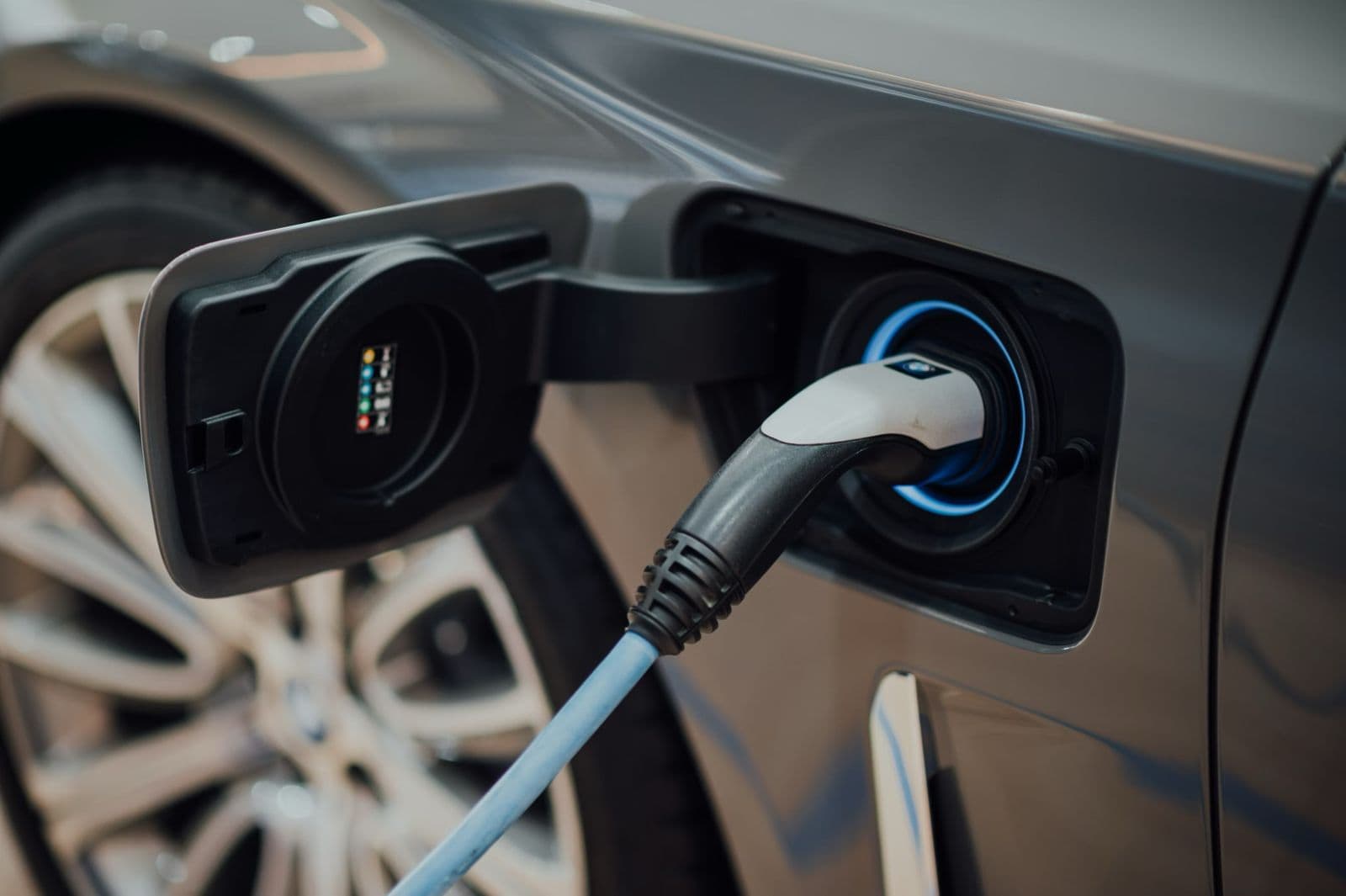
What if car owners switched to electric vehicles (EVs)? The country would significantly reduce its reliance on gasoline and diesel. On 27 February 2026, that is, one day before the Iran War began, the UK had three weeks’ worth of petrol reserves and 22 days of diesel.
Thanks to current EV ownership, Britain is able to last 2 days longer than if no one owned an electric vehicle. About 32% of Norwegians own fully electric cars compared to 5.4% in the UK. If the country had the same percentage as Norway, it could last seven days longer. Norway is the world leader in fully electric car ownership (as a percentage of the total population).
Regarding fossil fuels and the risk of rationing due to tight supply, Wael Sawan, CEO of Shell, an British oil & gas giant, said the following at the CERAWeek Energy Conference in Houston, Texas:
“Jet fuel is already being impacted. Diesel will be next… after that will be gasoline.” (Reuters)
EVs are Getting Cheaper
China, which is seeking to expand its EV market share abroad, could benefit considerably from higher fuel prices. The EVs that it sells in Europe, North America, Japan, and many other countries are cheaper than most competing vehicles.
In the UK, a small fully electric car cost around £25,000–£30,000 ($33,167 – $39,801) five years ago. Today, similar-sized vehicles are on sale for approximately £15,000–£22,000 ($19,900 – $26,534).
If a country has many fully electric vehicles, there is a strong vehicle-to-grid (V2G) potential. In other words, the electric grid (electric companies) can purchase electricity from millions of vehicles that are parked in people’s driveways. Apparently, most of our cars remain idle for about 95% of the time.
Wikipedia has this explanation of vehicle-to-grid:
“V2G describes a system in which plug-in electric vehicles (PIEVs) sell demand response services to the electrical grid. Such services are either backfeeding electricity to the grid, or reducing the rate of charge from the grid at different times of the day. Demand services reduce demand peaks for grid supply, and hence reduce the probability of disruption from load variations.”
