
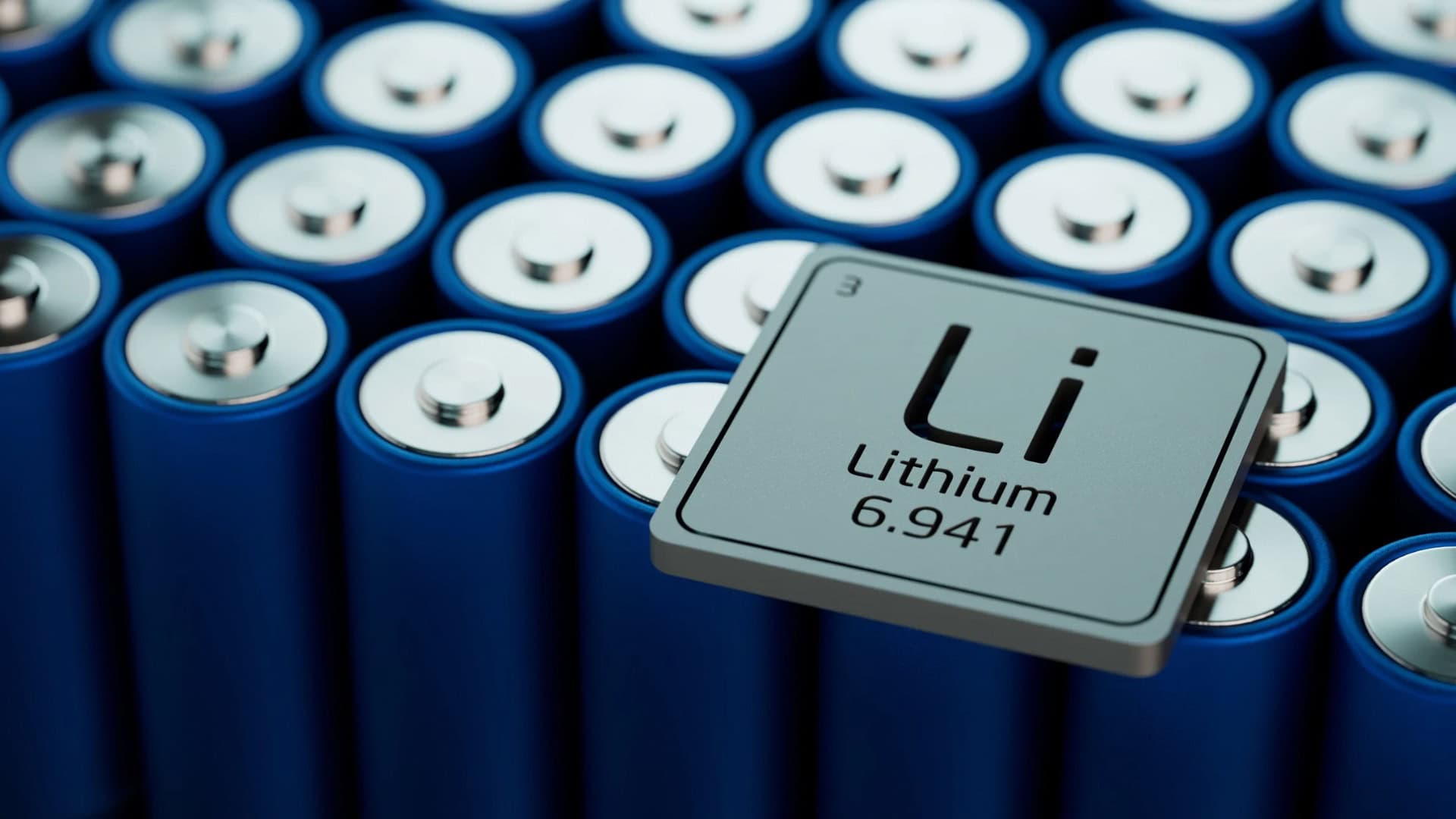
Researchers at Monash University have developed the world’s most efficient lithium-sulphur (Li-S) battery, according to a new study published in Science Advances.
The battery, which is capable of powering a smartphone for up to 5 days, outperforms current market leaders by more than four times. In addition to better performance, the new battery has less environmental impact than current lithium-ion products.
The team used the same materials in standard lithium-ion batteries, but reconfigured the design of sulphur cathodes to handle higher stress loads without compromising performance or capacity.
The international research team, led by Dr Mahdokht Shaibani from Monash University’s Department of Mechanical and Aerospace Engineering, have an approved filed patent (PCT/AU 2019/051239) for their manufacturing process. German R&D partners Fraunhofer Institute for Material and Beam Technology successfully fabricated prototype cells.
The team said that the “attractive performance features, along with low cost, environmental friendliness, abundance of materials available, and ease of processing, make this new design of electrodes promising for large-scale real-world applications as demonstrated with our Li-S pouch cells.”
Professor Mainak Majumder said the research could have a huge impact on the way phones, cars, computers and solar grids are made in the future.
“Successful fabrication and implementation of Li-S batteries in cars and grids will capture a more significant part of the estimated $213 billion value chain of Australian lithium, and will revolutionise the Australian vehicle market and provide all Australians with a cleaner and more reliable energy market,” Professor Majumder said.
“Our research team has received more than $2.5 million in funding from government and international industry partners to trial this battery technology in cars and grids from this year, which we’re most excited about.”
Journal Citation
Dr Mahdokht Shaibani, Dr Meysam Sharifzadeh Mirshekarloo, Dr M.C. Dilusha Cooray and Professor Mainak Majumder (Monash University); Dr Ruhani Singh, Dr Christopher Easton, Dr Anthony Hollenkamp (CSIRO) and Associate Professor Matthew Hill (CSIRO and Monash University); Nicolas Eshraghi (University of Liege); Dr Thomas Abendroth, Dr Susanne Dorfler, Dr Holger Althues and Professor Stefan Kaskel (Fraunhofer Institute for Material and Beam Technology).
Science Advances
03 Jan 2020: Vol. 6, no. 1, eaay2757
DOI: 10.1126/sciadv.aay2757
You may be interested in: “2019 Nobel Prize in Chemistry awarded for work on lithium-ion batteries”
