

Electricity generation will require the right mix of green energy technologies if we want to reduce the global impact of pollution for our children and grandchildren, says a United Nations report, written by the International Resource Panel, an independent panel of experts from across the world that aims to help countries use natural resources sustainably without undermining human needs and economic growth.
The authors warn that without such efforts by policymakers, greenhouse gas emissions could double by the middle of this century, which would significantly accelerate the melting of sea ice, rising sea levels, and the frequency, duration and severity of droughts and other extreme weather events.
The report is being released as leaders and representatives of 180 countries come together in Paris to try to reach an agreement on limiting carbon emissions.
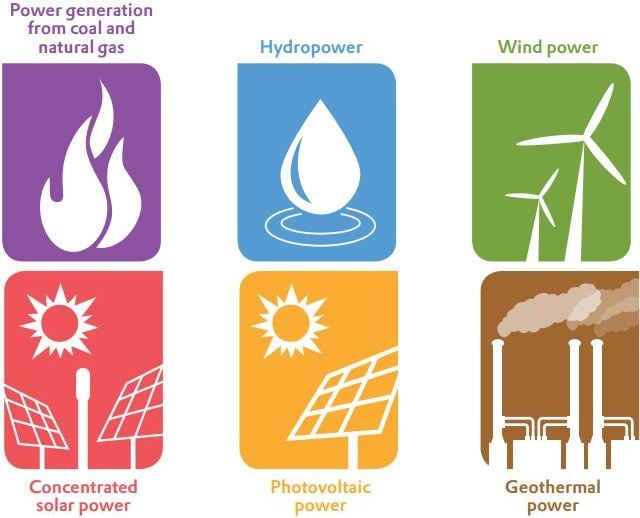 There are several technologies available today for electricity generation. It is important we get the right mix. (Image: Green Energy Choices)
The report – ‘Green Energy Choices: The Benefits, Risks, and Trade-Offs of Low-Carbon Technologies for Electricity Production’ – is a comprehensive comparison of how greenhouse gas emissions could be reduced by using alternative energy methods, including hydro, geothermal, solar and wind.
The members of the International Resource Panel created the report for UNEP (United Nations Environment Programme).
Renewables pollute much less
Professor of industrial sustainability, Edgar Hertwich, director of Yale’s Center for Industrial Ecology, , and a member of the International Resource Panel, said:
“Renewables come out strong in terms of reducing pollution and offer us a way to keep pollution at bay from rising electricity demand. If we continue with fossil fuel systems we will see pollution rise.”
Electricity generation that comes from renewable energy sources causes considerably less pollution compared to energy produced from fossil fuels, the authors explain.
For every 100 tonnes of greenhouse gasses emitted by coal-fired energy plants, renewable electricity produces just 5 to 6 tonnes, while power generated from gas-fired plants emits just 8 to 10 tonnes.
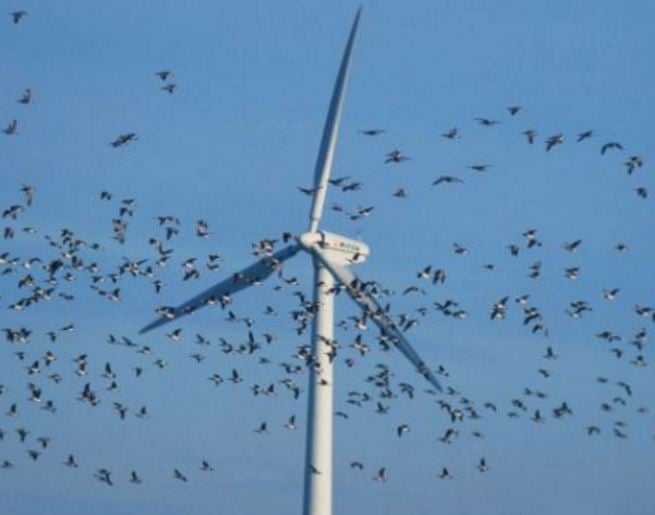 There is concern that too many birds are dying by crashing into the blades of wind turbines.
Particulate and metal pollution also lower with renewables
The authors also investigated the damage from other types of pollution, including toxic metals and particulate matter. Damage from these pollutants to the environment from renewable sources is three to ten times lower compared to damage from systems based on fossil fuels, the report informs.
The human health impacts from renewables are ten to thirty percent of those from today’s ultra-modern, least polluting fossil fuel plants.
The authors explain the pros and cons of all methods of producing electricity. While offshore wind farms can produce energy for long periods, their installation and maintenance costs are much higher compared to land-based wind farms.
There are also concerns about bird and bat deaths caused by wind technology – with the animals flying into the blades. Today, however, there is radar technology that can slow down the turbines as birds or bats approach.
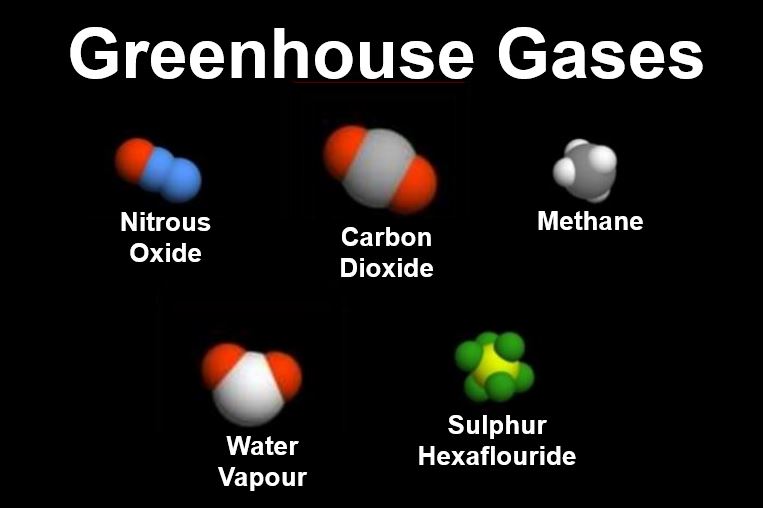 In order to effective combat climate change, we need to significantly reduce our greenhouse gas emissions. Otherwise the temperature of Earth’s atmosphere and oceans will increase , there will be a loss of sea ice, sea levels will rise, there will be longer and more intense heat waves, and more frequent severe storms and weather anomalies.
The researchers also looked closely at the environmental impact of building roads and transporting construction equipment to develop hydro power in South America and Africa; the land-use advantages linked to solar technology; and the costs involved in large-scale energy storage.
Prof. Hertwich said
“There are many surprises in this data, even for someone who has worked in this field for a while. I was surprised to see the toxic emissions data from coal mines, the information about mine runoff, and the long-term emissions to soil and water from coal mines.”
Similar emissions are produced by the copper, aluminum and iron mines required to produce material for renewable systems, Prof. Hertwich pointed out. However, when compared to the emissions associated with coal mining, they were considerably lower.
Selecting the best technology to produce power – and choosing the best sites for those projects – will have a dramatic impact on environments across the world, the authors said.
Politicians and business leaders need to act with urgency, the authors emphasized.
Prof. Hertwich said:
“The transition of energy systems takes 100 years. It’s not something we can do by snapping our fingers. Renewables have been tremendously successful, and they’re coming online a lot faster than people might have predicted.”
Video How does climate change affect biodiversity?
This California Academy of Sciences video explains what climate change is, and why it receives so much attention these days. Human activities are heating up our planet, with far-reaching consequences, changing biodiversity levels and distributions at alarming, unprecedented rates.
