
Countless people are complaining about how using emojis in messages is costing them hundreds in phone bills.
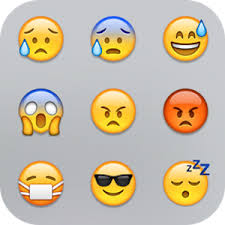
Emojis are fun and humorous images that can be added into messages. They actually appear as a picture in the message and range from smiley faces to food items.
A lot of phones automatically turn regular emotions into emojis, for example the phone would convert “:)” into an emoji of a smiley face (an actual picture of a little face smiling).
Newer phones are capable of sending emojis in normal text messages. However, people with older devices end up sending emojis as picture messages, which carriers charge more for.
This means that a lot of people using emojis in messages are not sending their message as a regular short messaging service (SMS), but actually as a multimedia message service (MMS) picture message – without telling the user about it.
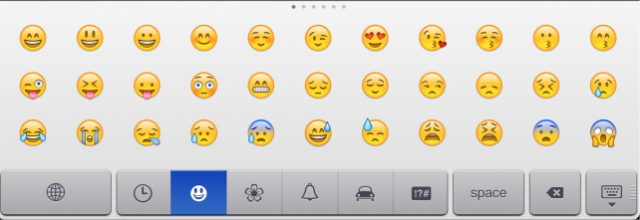
Examples of some emojis that smartphone users can add to messages.
“Samsung says that every device launched since April 2014 has a default setting that classifies emojis as an SMS and not an MMS. However, it says that for older devices, such as the Galaxy S4, emojis will lead to messages being converted from an SMS into an MMS,” a MoneySavingExpert post said.
“It adds that a warning message is displayed to inform the user that their message will be sent as an MMS.
“According to Ofcom’s latest Incidence of unexpectedly high bills report, conducted between July 2013 and May 2014, of the 5,696 people questioned, 4% said they experienced higher than usual bills because they had sent picture messages not included in their monthly text allowance.”
An extreme example of this was reported by the Daily Record. Paula Cochrane, of Airdrie in Scotland, signed a new contract with UK network EE and received a bill of almost £1,200 – because of using emojis in messages.
“There are a number of factors which can affect whether customers are charged for sending an emoji, usually by the settings on the handset and so [it] is a manufacturer, rather than a network, issue,” an EE spokesperson said.
“We can confirm that as of April 2014, every Samsung mobile device has a default setting that classifies emoticon images as an SMS and not an MMS,” a Samsung spokesperson said. “For older devices, if a message is going to be converted from an SMS into an MMS, a warning message is displayed to inform the user. We advise our customers to check their mobile phone tariffs if they are unsure of any charges related to SMS and MMS as well as the advisory notices displayed on their handset.”
