

Ford announced that it will no longer produce the Focus and C-Max vehicles at its Michigan Assembly plant starting in 2018.
In a statement the American automotive giant said:
“We will move production of the next-generation Ford Focus and C-MAX, which currently are built at Michigan Assembly Plant, beginning in 2018.
“We actively are pursuing future vehicle alternatives to produce at Michigan Assembly and will discuss this issue with UAW leadership as part of the upcoming negotiations.”
UAW Chairman says production of the Ford Focus will move outside the US
The company did not say where production will be moving to. It only confirmed that it is looking at “several possible options”.
However, Bill Johnson, UAW Chairman, reportedly told UAW members at the plant that production of the Focus will move “to a location outside of the United States.”
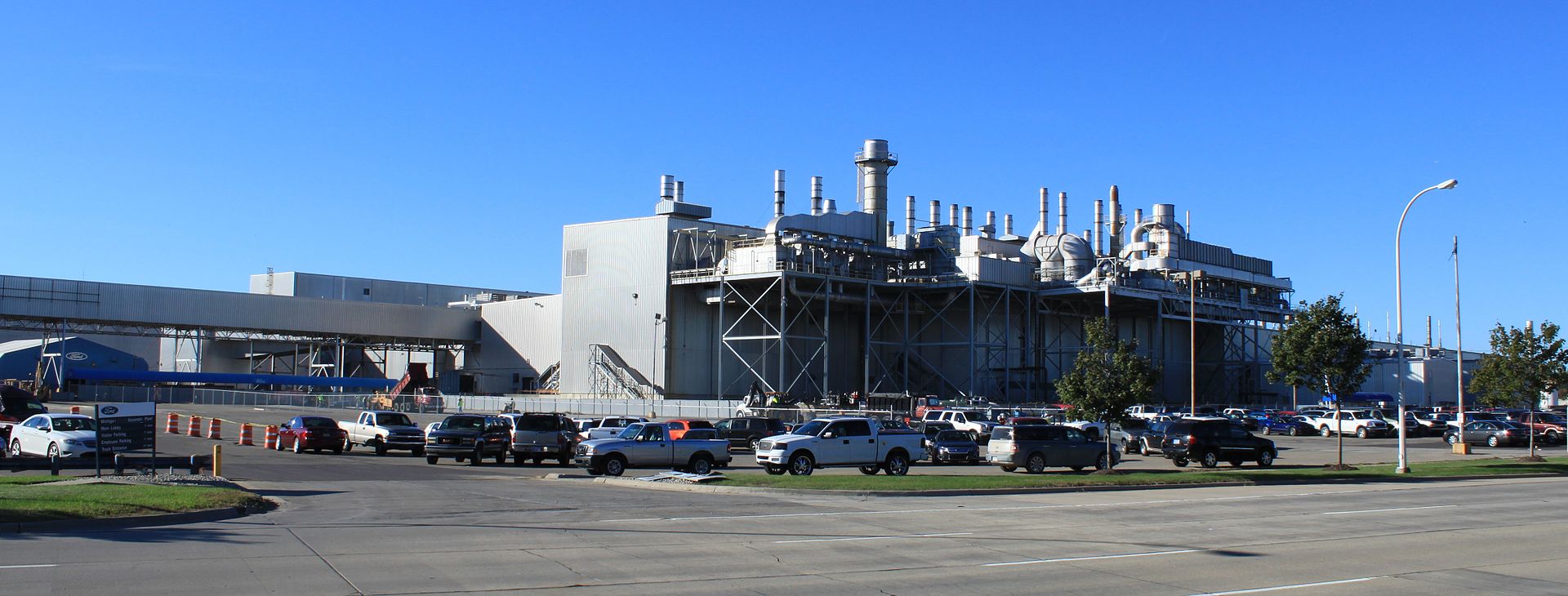
The 5-million-square-foot Michigan Assembly plant is currently the production site for the Focus, Focus Electric, Focus ST, C-Max Hybrid and C-Max Energi vehicles.
UAW-Ford Department Vice President Jimmy Settles said in a statement:
“We are extremely confident that a new product commitment will be secured during the upcoming 2015 negotiations and that the Michigan Assembly Plant will maintain a full production schedule.
“In spite of this announcement, we want to ensure both the membership of Local 900 and the community that UAW members will continue to produce world-class quality vehicles with pride and passion now and beyond 2018, which remains a tradition of all United Auto Workers.”
The announcement comes just before contract negotiations with the UAW are set to start (on July 23).

Production of the Ford Focus is expected to be moved outside the US beginning in 2018.
Ford says current labor costs are uncompetitive
Ford is looking for ways to cut labor costs, which it believes are uncompetitive, and it is very possible that production may be moved to Mexico – where costs are significantly lower.
According to the Center for Automotive Research in Ann Arbor, Michigan, the average U.S. hourly labor expense for Ford Motor Company is $57, around $9 higher than its competitor Toyota Motor Corp.
