
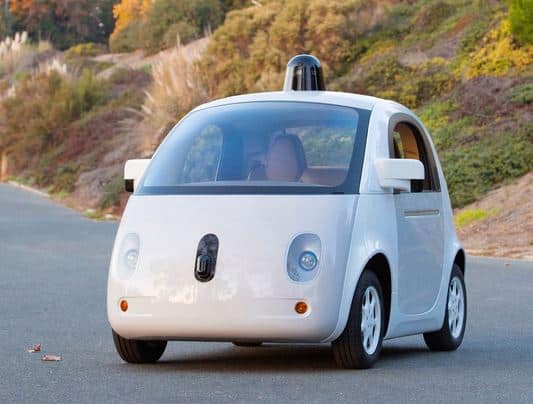
Google driverless car

Google partnering up with Ford to build self-driving cars

Written by Joseph Nordqvist

Published: 11:18, December 22, 2015

Google and Ford are reportedly in talks about setting up a joint venture to build self-driving autonomous cars.

According to Yahoo Autos, Ford CEO Mark Fields is expected to announce a partnership with Google at the 2016 International Consumer Electronics Show in January.

Three sources familiar with the matter said that the two firms plan on developing self-driving cars using Google’s technology.

Google has been at the forefront of autonomous technology for years now, perfecting its software to run self-driving vehicles safely. It already has 53 automated vehicles on the road which have clocked up over 1.3 million miles in testing.

Meanwhile, Ford only just announced plans to begin testing self-driving vehicles on public roads – after receiving the green light in California.

A partnership between the two companies makes sense; it combines Google’s advanced technological know-how with Ford’s automotive manufacturing experience.

Ford Research Center Palo Alto

Earlier this year Ford opened a 25,000-square-foot analysis center in Silicon Valley.

Google needs the expertise in engineering and building cars that only conventional automakers have, such as Ford.

Earlier this year Chris Urmson, director of Google’s self-driving car program, said that he had already met with Ford and several other carmakers.

He commented: “For us to jump in and say we can do this better, that’s arrogant,”

The Yahoo Autos report says that the deal is believed to be non-exclusive given that Google has also been in talks with numerous other carmakers about using its self-driving technology.

Neither Ford nor Google have commented on the speculation. However, Google has already been open about the fact that it’s been in talks with several carmakers.

Joseph Nordqvist Avatar

Other News

Purchase-linked donations can change direct giving in a small experiment

Nov 22, 2026

Volunteer recruitment emails were followed by more donations in a nonprofit experiment

Nov 22, 2026

Customer-created content was linked to brand perceptions in a survey of Pakistani shoppers

Nov 22, 2026

Shopping games can frustrate customers when rewards and rules are hard to understand

Nov 22, 2026

Text-message business training helped Kenyan entrepreneurs briefly, but gains faded

Nov 22, 2026

Food traceability labels raised stated interest, but ad test found no clear difference

Nov 22, 2026

Letting shoppers keep an item for a partial refund lifted later spending in a field experiment

Nov 22, 2026

Skincare claims that look scientific changed shopping choices in an online experiment

Nov 21, 2026

Crowded settings can make unfamiliar products less appealing in consumer experiments

Nov 21, 2026

Words that describe texture can affect online clothing choices, study finds

Nov 21, 2026

Impact measurement support helped Indian social enterprises grow in a field experiment

Nov 21, 2026

Lyft experiment found a premium ride option shifted some customers to cheaper fares

Nov 21, 2026

Online retailer improved pricing by testing how shoppers respond to rivals

Nov 21, 2026

Environmental reminders reduced return shipments in a fashion retailer experiment

Nov 21, 2026

When a discount is hard to claim, it can reduce sales of the product

Nov 20, 2026

A small step to claim a discount increased redemptions in a coffee campaign

Nov 20, 2026

Ad platforms can target likely buyers without creating the most extra sales

Nov 20, 2026

Sales contests worked better when employees competed in comparable groups

Nov 20, 2026

Social discounts encouraged existing grocery customers to buy more in an experiment

Nov 20, 2026

Free shipping and returns brought more shoppers back in a retail experiment

Nov 20, 2026