
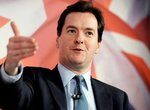
Much of the Eurozone needs to get its act together if it wants the UK to stay in the European Union, Chancellor George Osborne told leaders in Davos. Eurozone countries need to carry out deep reforms and copy the UK’s financial method, he added.
Mr. Osborne’s audience listened to his words, which sounded more like an election-campaign speech, in astonishment. Telling Europeans to their face that parts of the Eurozone are unfit for EU membership with the UK is unlikely to ever be an ice-breaking statement.
Unless there is a new arrangement for EU member states that reject the superstate project, Britons are likely to vote to pull out of the whole trading bloc, he warned. In 2017, there will be a referendum on whether the UK should remain or pull out of the European Union if the Conservatives win May’s general election.
Mr. Osborne said:
“We want to be a component of a reformed EU, but there are two conditions: it must be a job-producing union, and it needs to respect the wants of non-euro members.”
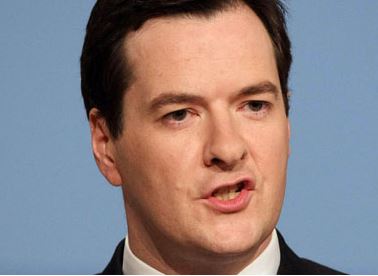
George Osborne insists much of the Eurozone is not worthy of the British economy.
The EU needs clear plans to make sure it is much more competitive, he emphasized.
The United Kingdom had the fastest GDP growth among the advanced economies in 2014, it is going through the fastest decline in unemployment in its history, and the country today is where investors want to be, he added.
Mr. Osborne told a panel of mainly Europeans “We are the second most significant economy in Europe, and we will be the largest by 2030.” Mr. Wolfgang Schauble, Germany’s finance minister, who was just a few feet away, sat silently as Osborne’s words echoed in the chamber.
Making his first public appearance at the Swiss resort, Mr. Osborne said the ECB’s move to inject €1.1 trillion into the Eurozone was the right thing to do. However, he does not believe the amount is enough to boost the currency bloc’s economy.
The UKIP threat to Tory election success
The Conservative Party is torn between the UK’s business community, which tends to favour the Tories but is also pro-EU, and its non-business core voters who are switching in their tens of thousands to the anti-EU UKIP party.
Prime Minister David Cameron, Mr. Osborne and the rest of the party need to be seen to be standing up to Brussels to stem the loss of support to UKIP, while at the same time not scaring off businesses and their employees.
Tim Worstall, writing in Forbes, managed to explain in a few words what Mr. Osborne is doing: “It’s not really about whether he truly believes what he’s saying about the economy, either of Britain or the eurozone. This is about that coming election and subsequent referendum. Osborne needs to be seen as eurosceptic and at least threatening to leave if reform of the EU does not happen. So, that’s what he does.”
Gary Cohn, President and Chief Operating Officer of multinational investment banking firm The Goldman Sachs Group, said Britain should remain in the EU to make sure London continues being a “great financial capital of the world.”
Financial companies would prefer to stay in London, Mr. Cohn explained. The UK’s continued membership of the EU was the “best thing for all of us,” he added.
Many experts say that if the UK left the EU, firms based in London would face higher taxes when doing business with the trading bloc.
Mr Cohn said: “I think for the UK it’s imperative to keep the financial services industry in London. We all want to stay in London – it is our European headquarters. I think that having a great financial capital of the world staying in the UK and having the UK be part Europe is the best thing for all of us.”
Osborne defends – Unions attack
With just four months to go before the general election, Mr. Osborne defended his austerity measures, saying he had reduced the budget deficit (as % of income) by half since taking office.
Trade Union Congress (TUC) general secretary Frances O’Grady accused Mr. Osborne of complacency.
Ms. Frances said:
“His remarks are notable for what he left out, rather than what he said. He failed to address the plain need for investment to shore up the real economy or to create the skilled well-paid jobs young people in particular need.”
“And he did not even mention the need to ensure that the rewards of growth are shared more fairly if Britain’s economy is to become more sustainable.”
Video – Discussion at Davos
This session at Davos, developed in partnership with CNBC, saw six prominent figures discuss the theme “What fiscal and monetary options will strengthen the European Union while delivering employment growth?”
The speakers were: Wolfgang Schäuble (German Federal Minister of Finance), George Soros (Hungarian-American business magnate), Geoff Cutmore (English financial journalist for CNBC Europe in London), George Osborne (British Chancellor), Ignazio Visco (Governor of the Bank of Italy), and Luis Guindos Jurado (Spanish Minister of Economy and Competitiveness).
