
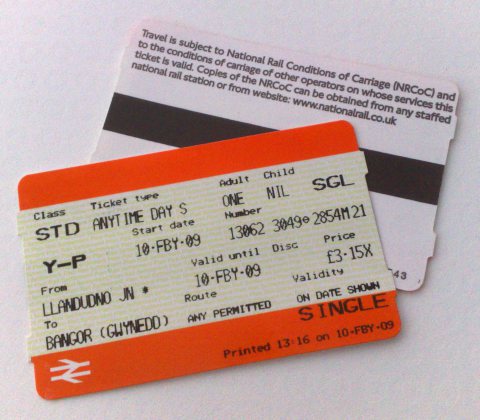
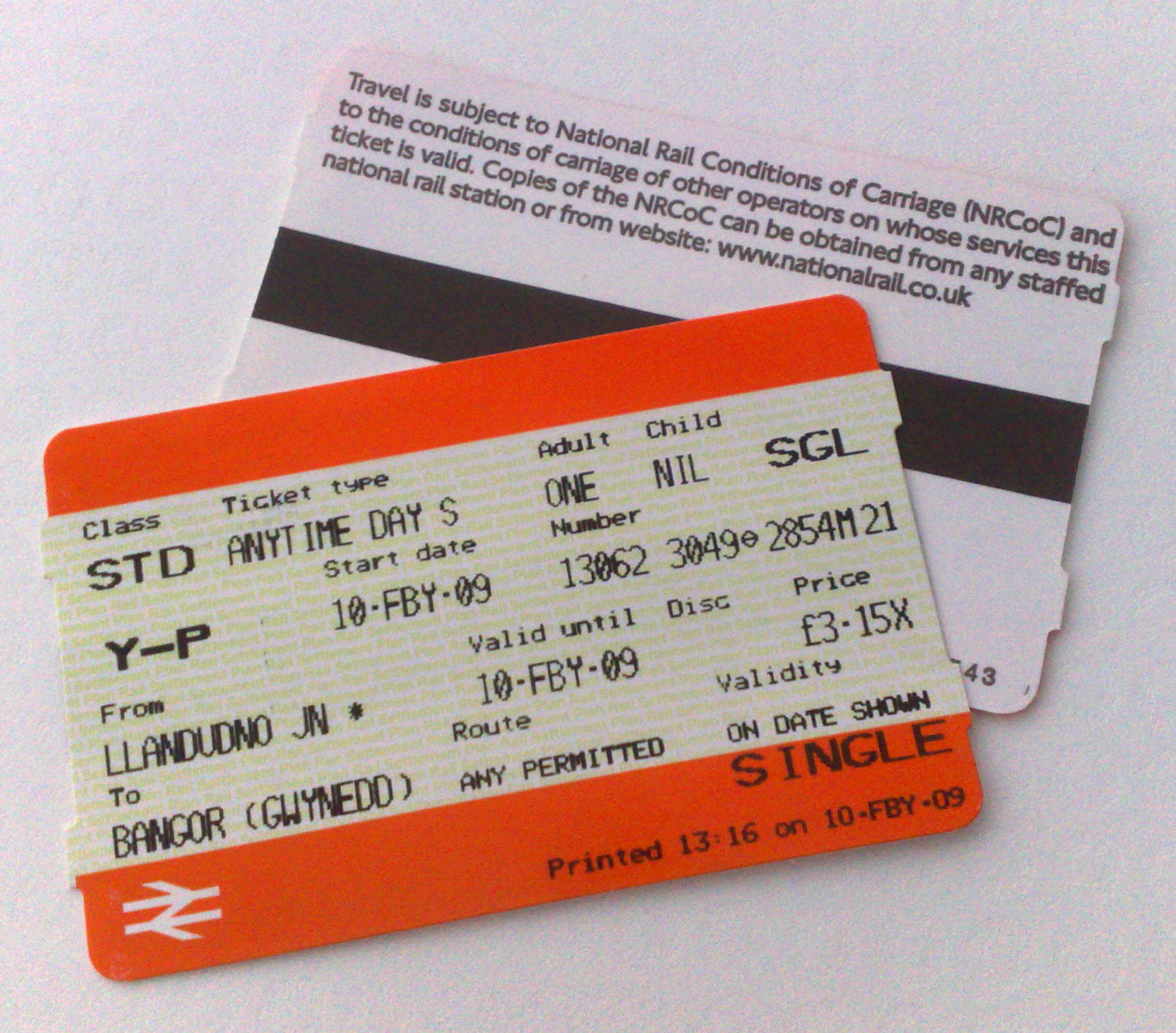
Two_National_Rail_tickets (1)

Rail fares rise ‘three times faster’ than wages over five years

Published: 06:11, August 18, 2015

Two_National_Rail_ticketsAccording to a new report, rail fares in the UK have increased nearly three times faster than wages over the past five years.

Since 2010 rail fares have risen 25% compared with 9% for average pay.

The Action for Rail campaign released the report. AFR is advocating for train services to be run by the public sector.

It has organised a protest on Tuesday at stations across England and Scotland against the rise in rail fares.

By 2017 season tickets could be 10% cheaper if public sector organisations were in charge of major routes, the report said.

The TUC general secretary, Frances O’Grady, said: “Rail fares have rocketed over the last five years, leaving many commuters seriously out of pocket. If ministers really want to help hard-pressed commuters they need to return services to the public sector.

“This is a fair, more sustainable option and it would allow much bigger savings to be passed on to passengers. Introducing an arbitrary cap on fares is simply passing the bill on to taxpayers.”

The general secretary of Aslef, Mick Whelan, said: “Once more, those who claim they want to make work pay devalue that statement with continual, excessive and unreasonable increases in fares.”

Rail minister Claire Perry said “rail fares put a strain on family finances,”

Adding:

”That’s why today, for fares we can control, we are putting an end to inflation-busting fare increases.

“Thanks to our plans, next year’s fares will see some of the lowest increases for decades. And with the economy growing steadily, for the first time in 10 years wage rises are likely to be larger than average fare increases.

“At the same time we are delivering the largest programme of investment since the Victorian era so that customers get better value for money.”


Veronica Salvador Avatar

Other News

Shopping games can frustrate customers when rewards and rules are hard to understand

Nov 22, 2026

Text-message business training helped Kenyan entrepreneurs briefly, but gains faded

Nov 22, 2026

Food traceability labels raised stated interest, but ad test found no clear difference

Nov 22, 2026

Letting shoppers keep an item for a partial refund lifted later spending in a field experiment

Nov 22, 2026

Skincare claims that look scientific changed shopping choices in an online experiment

Nov 21, 2026

Crowded settings can make unfamiliar products less appealing in consumer experiments

Nov 21, 2026

Words that describe texture can affect online clothing choices, study finds

Nov 21, 2026

Impact measurement support helped Indian social enterprises grow in a field experiment

Nov 21, 2026

Lyft experiment found a premium ride option shifted some customers to cheaper fares

Nov 21, 2026

Online retailer improved pricing by testing how shoppers respond to rivals

Nov 21, 2026

Environmental reminders reduced return shipments in a fashion retailer experiment

Nov 21, 2026

When a discount is hard to claim, it can reduce sales of the product

Nov 20, 2026

A small step to claim a discount increased redemptions in a coffee campaign

Nov 20, 2026

Ad platforms can target likely buyers without creating the most extra sales

Nov 20, 2026

Sales contests worked better when employees competed in comparable groups

Nov 20, 2026

Social discounts encouraged existing grocery customers to buy more in an experiment

Nov 20, 2026

Free shipping and returns brought more shoppers back in a retail experiment

Nov 20, 2026

Learning about rivals’ robot use changed Italian firms’ investment plans

Nov 20, 2026

Automated lead nurturing does not improve every sales pipeline

Nov 20, 2026

Seeing competitors’ prices changed how nail salons set their own

Nov 20, 2026