
A report that Business Secretary Vince Cable had commissioned concluded the government sold Royal Mail for £180 million less than it could have. The flotation price of 330p could have been up to 30p higher, given the high level of demand from individuals and banks.
Royal Mail was partly privatised last year and the government collected £2 billion from the sale.
The report, by former Labour City minister Lord Myners, added that in future the pricing of shares should be set later on during the process and that share sales should be much more transparent.
Members of Parliament have accused the Government of underselling Royal Mail by £1 billion.
Lord Myners acknowledged that getting the price right in a share sale is not easy. However, he believes lessons can be learnt on how to make the process more transparent.
Mr. Cable ordered the investigation after the government was accused by a National Audit Office review of trying to rush the IPO (initial public offering), which could have led to selling the shares too cheaply.
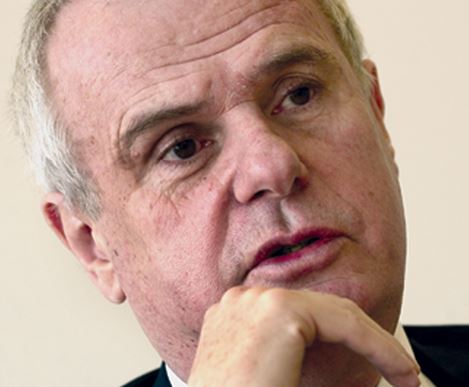
Lord Myners believes the Government was too cautious and not transparent enough.
The IPO involved selling 60% of Royal Mail. Ten percent was given to employees and the government kept a 30% stake.
On their first day of trading in October last year, Royal Mail shares shot up and later reached a peak of 615p. They are currently worth 394p.
According to Lod Myners, the shares could have been sold for 20p to 30p higher, which would have given the Government an additional of £120 million to £180 million.
He added that there is no way the Government could have successfully floated Royal Mail had it gone for the post-sale peak price of 615p.
Lord Myners also wrote:
“The sale was done against a backdrop of global economic uncertainty and a threat of industrial action, which go a long way towards explaining the cautious approach taken throughout the process.”
“We found no evidence to challenge the general assertion that an IPO price greater than 350-360p could have been achieved and we accept that a decision to revise the range would have come with added uncertainty and risk. The right decisions were made.”
An April report by the public spending watchdog concluded the Government had been far too cautious in pricing the deal and lost out on at least £750 million.
