

Saskatchewan reviewing the future of its liquor stores, possible Alberta-style privatization

Written by Joseph Nordqvist

Published: 13:47, November 4, 2014

Saskatchewan is reviewing the future of its liquor stores, with a possible Alberta-style privatization as one of the five options.

The five options that the government are considering include:

  • The government continuing to own dozens of liquor stores.
  • Expanding the number of private retail stores.
  • An Alberta-style privatization of all liquor stores.
  • A slow transition to an all-private liquor store system.
  • Expanding the number of government-owned stores.

According to Don McMorrris, the minister responsible for the Saskatchewan Liquor and Gaming Authority:

“There are a lot of opinions about how we should sell liquor,”

“This consultation process will let us hear directly from the public and key stakeholders about what they would like to see when it comes to liquor retailing in Saskatchewan.”

The Saskatchewan government will be looking to hear feedback from consumers until Jan. 30, 2015.
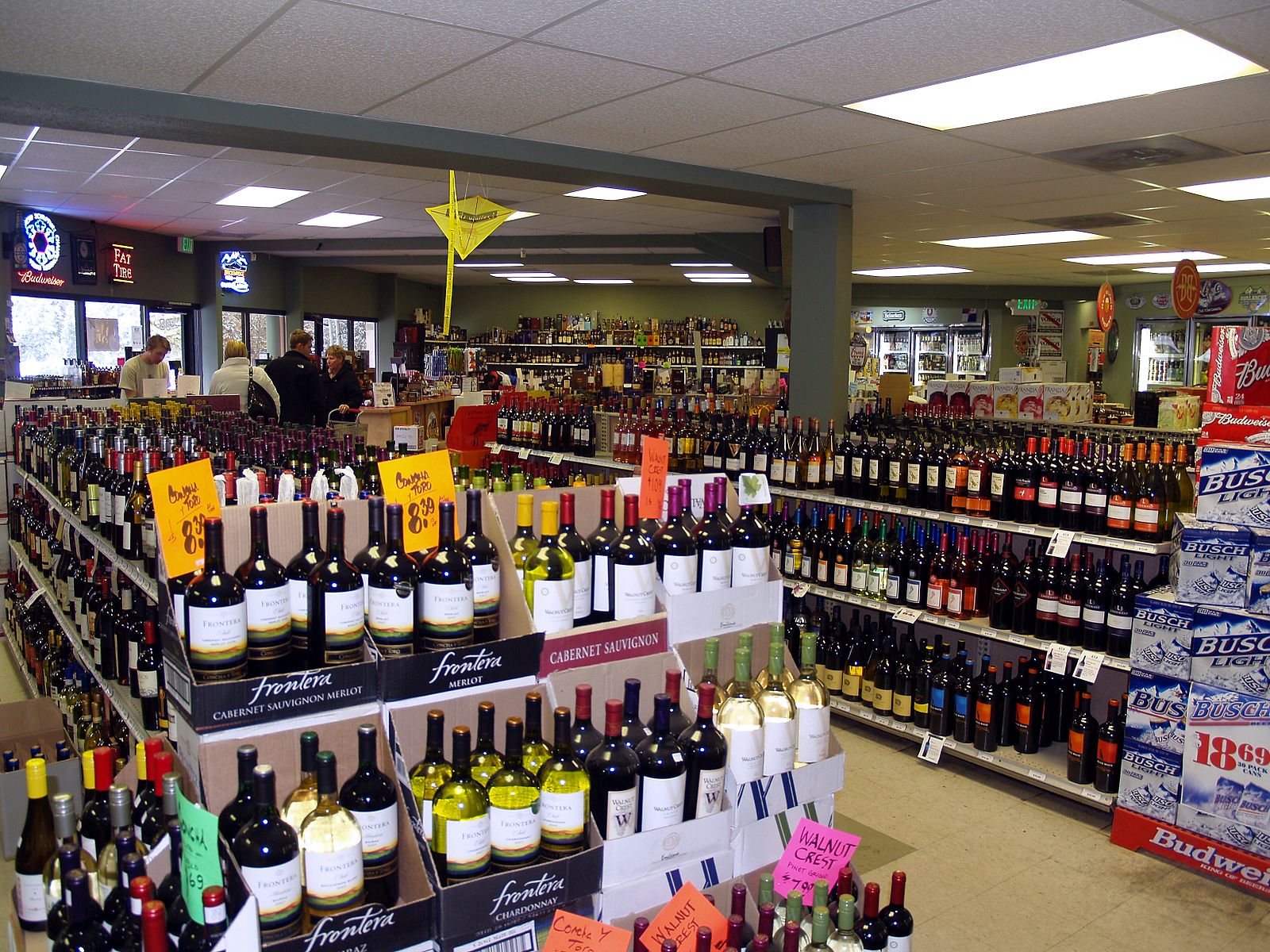
liquor store

The future of Saskatchewan’s liquor stores is on the table. 

The government currently owns 75 liquor stores in the province, in addition to hundreds of off-sale outlets.

Over the past few years there have been a small number of private liquor stores approved. The government has said that all new liquor stores in Saskatchewan will be privately owned.

Brad Wall, Premier of Saskatchewan since November 21, 2007, earlier this year said that he thinks that by privatizing liquor stores consumers will have more choice and as a result the province would benefit from increased sales.

However, there is a law that prevents the privatization of Crown assets and the government would only consider selling off its stores if there is a strong public mandate.

Joseph Nordqvist Avatar

Other News

X-ray snapshots reveal how an enzyme builds penicillin’s rings

Oct 9, 2026

Thyssenkrupp opens Pune engineering center focused on vehicle software

Oct 9, 2026

Malaysia plans RM2,000 minimum wage with relief for smaller firms

Oct 9, 2026

Airtel Money’s London flotation puts its payments business in focus

Oct 9, 2026

More US families face heavy debt payments despite rising wealth

Oct 9, 2026

Can bikes and scooters make everyday city travel cheaper?

Oct 8, 2026

Workplace wearables: the safety promise and the privacy risk

Oct 8, 2026

International experience can help business leaders, but the fit matters

Oct 8, 2026

Housing costs and family plans: owners and renters face different pressures

Oct 8, 2026

Women in male-dominated finance workplaces report less comfort admitting mistakes

Oct 8, 2026

Second Nature Brands brings Voortman onto shared SAP platform

Oct 8, 2026

Why cloud bills can grow faster than companies expect

Oct 7, 2026

Why empty offices affect more than landlords

Oct 6, 2026

The economics behind cruise lines’ bigger ships

Oct 6, 2026

Apprenticeships offer employers a route to developing scarce skills

Oct 6, 2026

CD&R and McKesson agree to acquire Option Care Health in $5.8 billion deal

Oct 6, 2026

UK appoints six banks for digital government bond pilot

Oct 6, 2026

Driverless trucks move beyond trials: the economics of road freight

Oct 5, 2026

Thomson Reuters completes print sale, retaining content rights and royalties

Oct 4, 2026

Three renewable-energy projects gain access to EU funding applications

Oct 4, 2026