

Energy from the Sun, i.e. solar power, will be the dominant source of electrical energy by 2050, says the International Energy Agency (IEA) in two reports published on Monday.
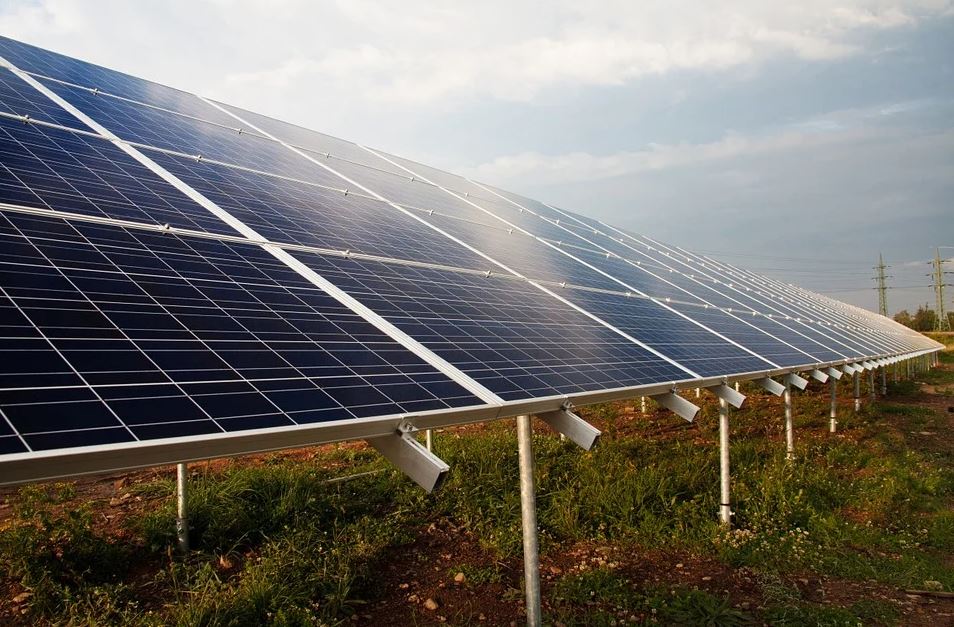 The two IEA reports demonstrate how solar photovoltaic (PV) systems are likely to generate up to 16% of global electricity production by the middle of the century, with an additional 11% provided by solar thermal electricity (STE) from concentrating solar power (CSP) plants.
The two solar technologies combined could prevent 6 billion tonnes of carbon dioxide emissions annually by 2050, which is more than all current US emissions, or nearly all of today’s direct emissions from the transport sector globally.
Maria van der Hoeven, Executive Director of the IEA, said:
“The rapid cost decrease of photovoltaic modules and systems in the last few years has opened new perspectives for using solar energy as a major source of electricity in the coming years and decades. However, both technologies are very capital intensive: almost all expenditures are made upfront. Lowering the cost of capital is thus of primary importance for achieving the vision in these roadmaps.”

Ms. Van der Hoeven pointed out that the two reports should not be seen as forecasts. They are technology improvement targets with suggestions for policy actions to achieve certain goals by 2050.
The two reports have one central message: policy makers need to provide credible and consistent signals which can inspire confidence and lower deployment risks.
Ms. Van der Hoeven added:
“By contrast, where there is a record of policy incoherence, confusing signals or stop-and-go policy cycles, investors end up paying more for their investment, consumers pays more for their energy, and some projects that are needed simply will not go ahead.”
PV to grow faster than STE till 2030
PV deployment has been much faster than STE. At the end of 2013, PV deployment reached a capacity of 137 GW, adding up to 100 MW each day. The rapid growth has been due to considerable cost reductions.
Under the scenario described in the two reports, most solar energy growth will be from PV until 2030, after which STE deployment will accelerate.
China will be the leading country in PV deployment expansion, followed by the United States.
The two reports are:
Last week, Andrew M. Cuomo, the Governor of New York State, announced solar panel awards worth $94 million.
