
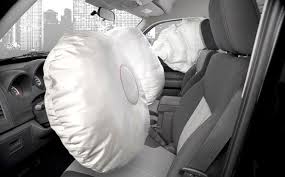
airbag

Takata being sued in the US over dangerous airbags

Written by Joseph Nordqvist

Published: 07:57, October 28, 2014

Takata, the Japanese airbag manufacturer, and various carmakers that use its products, are being sued in the US because of allegations that its cars are unsafe.

Millions of cars have been recalled recently because of dangerous airbags.

The lawsuit makes allegations that Takata, as well as Toyota and Honda, have been hiding the airbag problem from consumers.

The reason the airbags are considered to be ‘dangerous’ is because if they are deployed with too much force they can release deadly shrapnel at passengers.

This has led to more than 30 injuries in the US – directly linked to the airbags produced by Takata.

The case was filed in a US district court in Florida on behalf of consumers across the country. Carmakers named as defendants include Honda and Toyota.

According to Reuters, the lawsuits said that Takata “had a duty to disclose these safety issues because they consistently marketed their vehicles as reliable and safe.”

Car safety regulators across the US are investigating the issue and have issued a recall of vehicles with Takata airbags to nearly 8 million.

Takata believes that approximately 12 million vehicles could be affected worldwide.

Takata chairman and chief executive, Shigehisa Takada, issued an apology regarding the safety of his company’s airbags:

“We deeply regret that the recent recalls of vehicles equipped with our airbags have likely raised significant concerns and troubles to our product users, our customers, shareholders and other stakeholders,” he said in a statement.

Joseph Nordqvist Avatar

Other News

In-store returns did not guarantee higher online sales in a retail study

Nov 24, 2026

Data centers had different effects on industrial and household power prices in a US study

Nov 24, 2026

Why changing jobs does not always lead to better pay

Nov 24, 2026

Worker interviews uncover job tasks missing from standard occupation lists

Nov 24, 2026

Startup training was followed by more closures and stronger funding results in a US experiment

Nov 24, 2026

Information about local rivals changed firms’ AI investment plans in a European study

Nov 24, 2026

Online job ads can understate small employers’ share of hiring opportunities

Nov 24, 2026

How IBM expanded marketing experiments by changing who could run them

Nov 24, 2026

Grocery discounts do not lift every brand’s sales equally, study finds

Nov 24, 2026

A low upfront price can obscure the cost of refills, study finds

Nov 24, 2026

How medical device startups describe their products may affect clearance times

Nov 23, 2026

Why cheaper grocery products can face faster inflation when costs rise

Nov 23, 2026

One office day a month was followed by more calls handled in a remote-work experiment

Nov 23, 2026

An AI shopping assistant increased sales in a livestream experiment

Nov 23, 2026

Starting an idea without AI changed employees’ sense of ownership in an H&M test

Nov 23, 2026

Showing the extra cost of a larger pack changed buying choices in an online test

Nov 23, 2026

Looking at products together can help identify competitors, camera study finds

Nov 23, 2026

Removing unauthorized book copies produced an uncertain sales result in a field experiment

Nov 23, 2026

Warnings did not consistently undo the influence of product lineups

Nov 23, 2026

Demographic ad targeting can change how fairly consumers view a brand

Nov 22, 2026