
The US’ anticipated stock of turkeys is about 235 million, the lowest level since 1986 when farmers produced about 207 million birds. Turkey wholesale prices in the United States are at record levels.
The highest turkey population in the US was recorded in 1996 (303 million birds).
However, Thanksgiving shoppers are not likely to see much difference in frozen turkey prices in the supermarkets.
Live turkey wholesale prices in October rose 12% compared to October 2013, to 81 cents per pound from 72 cents in September.
The historically low turkey number does not mean there will be a shortage. The bird can be frozen for years. It does, however, reflect a strategy taken by most poultry producers who had to reduce their flocks to survive.
Higher transportation and feed costs meant farmers had to scale back their numbers in recent years. The price of soybean meal, for example, which makes up approximately one-third of turkey feed, is at an all-time high.
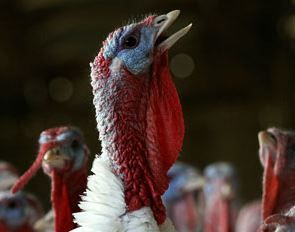
The US is the worlds biggest consumer, producer and exporter of turkey.
The 2012 drought led to drastic cuts in poultry production across the country. Farmers are still using feed they bought following the drought, at much higher than current market prices.
Beef farmers have faced similar problems. The US beef cattle population today has not been so low since 1951. Beef prices have jumped 17% in 2014.
US turkey production
According to Ag Marketing Resource Center, part of Iowa State University, the US is the largest turkey producer in the world and the biggest exporter of turkey products.
Americans eat more turkey per person than anywhere else in the world. In 2012, consumption stood at 16.4 pounds per person.
Over a 100-year period, turkey consumption in the US has increased dramatically. In 1906, the average American only consumed 0.8 of a pound of turkey per year.
The turkey is native to the Americas. When Europeans first encountered turkeys, they mistakenly thought they were guineafowl, which were also known as Turkey fowl, because they were imported to Central Europe through Turkey. William Strickland, an English navigator who had introduced the turkey into England, was granted a coat of arms in 1550 including a “turkey-cock in his pride proper.”
The aztecs called the bird “guajolote”.
