
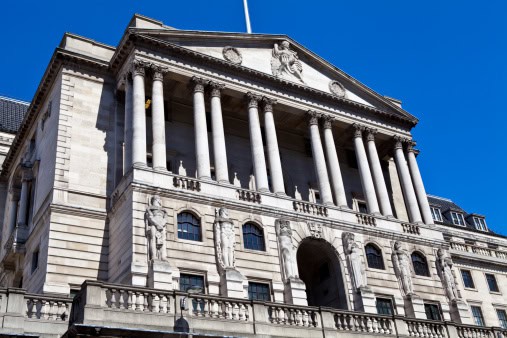
The Bank of England warned on Thursday that new ringfencing laws in the UK, set to separate high street banking from riskier investment banking operations, will require major banks to hold an extra £3.3 billion of capital.
The six banks affected include Royal Bank of Scotland, HSBC, Lloyds Banking Group, Barclays, Santander UK and Co-operative Bank.
Sir John Vickers devised the ringfencing rules in 2011 as part of an effort to ensure that crucial financial services in the UK – such as making deposits, payments, etc. – will be protected from any losses incurred by riskier units. The separated retail bank units will have their own legal structure, board, and capital buffers.
The rules will protect the day-to-day operations of high street lenders from the failure of large investment banks. They will be implemented in 2019.
Banks expected to face a surge in costs
According to a report by the Bank’s Prudential Regulation Authority (PRA), banks are expected to spend billions of pounds to properly implement the ring-fencing structure, in addition to hundreds of millions more in annual running costs.
However, the PRA said that ringfenced banks will be able to pay dividends to their parent companies as long as it gets approval from the regulator.
“Firms may look to pass on the higher costs associated with ring-fencing to customers.
“Their ability to pass on higher costs will depend on factors that affect the intensity of competition in the relevant markets, such as the ease of switching for customers and barriers to entry and expansion.”
Andrew Bailey, a deputy governor of the Bank, said: “Making our firms more resilient has been at the forefront of our post-crisis agenda. Today represents an information step forward in achieving this aim. We have provided clarity for affected banks on how we will implement ringfencing and this will enable firms to take substantial steps forward in their preparations for structural reform.”
