
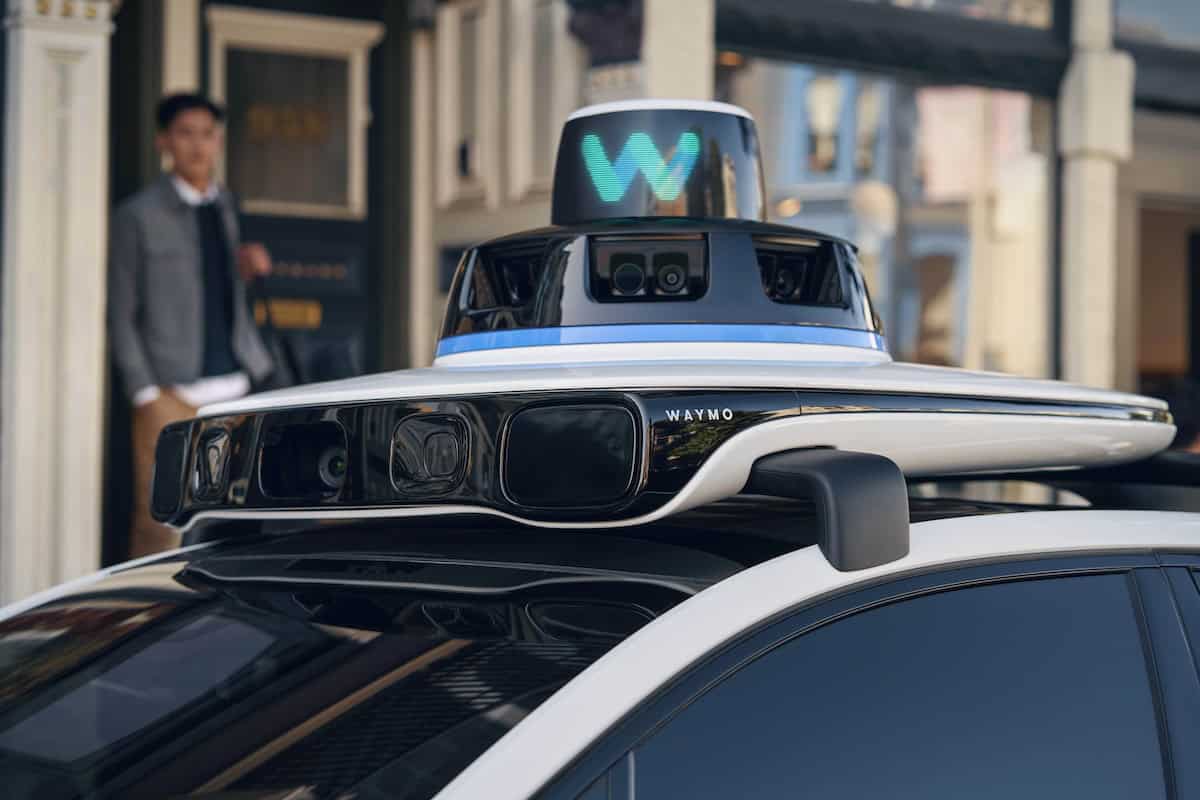
Waymo, a self-driving technology company that belongs to Alphabet alongside Google, is expanding its robotaxi service to cover an area larger than 1,400 square miles (3,626 square kilometers). This area is greater than the whole of Rhode Island, Luxembourg, the Indian state of Goa, and about three times the size of Hong Kong.
Robotaxis are self-driving taxis; they have no human driver. You download an app and hail a driverless taxi online. A car, with no human driver, picks you up and takes you to your destination, which could be to the other side of town. The service currently operates in Nashville, Orlando, Los Angeles, San Francisco, and Phoenix, all in the United States.
Waymo plans to expand into more US cities, including Houston, Atlanta, Austin, and Miami. There is also talk of extending its footprint in the San Francisco Bay Area. The company says that total operations should span across eleven major US cities in 2026.
The current growth strategy is timed to coincide with increased demand during the FIFA World Cup, which starts in June 2026. It will be ready to transport passengers in six World Cup host cities.
Waymo is also testing or planning to expand into London, Tokyo, Washington DC, Las Vegas, Detroit, and San Diego.
Sixth-generation systems
Two months ago, in a press release, the company said that guests and employees would be traveling in robotaxis powered by its sixth-generation autonomous driving system.
The sixth-generation system, which is more advanced than Waymo’s current fifth-generation platform, uses improved artificial intelligence (AI) and more powerful sensors, which help the vehicle detect hazards more quickly and accurately. With the new system, Waymo’s taxis will operate more safely in difficult driving conditions.
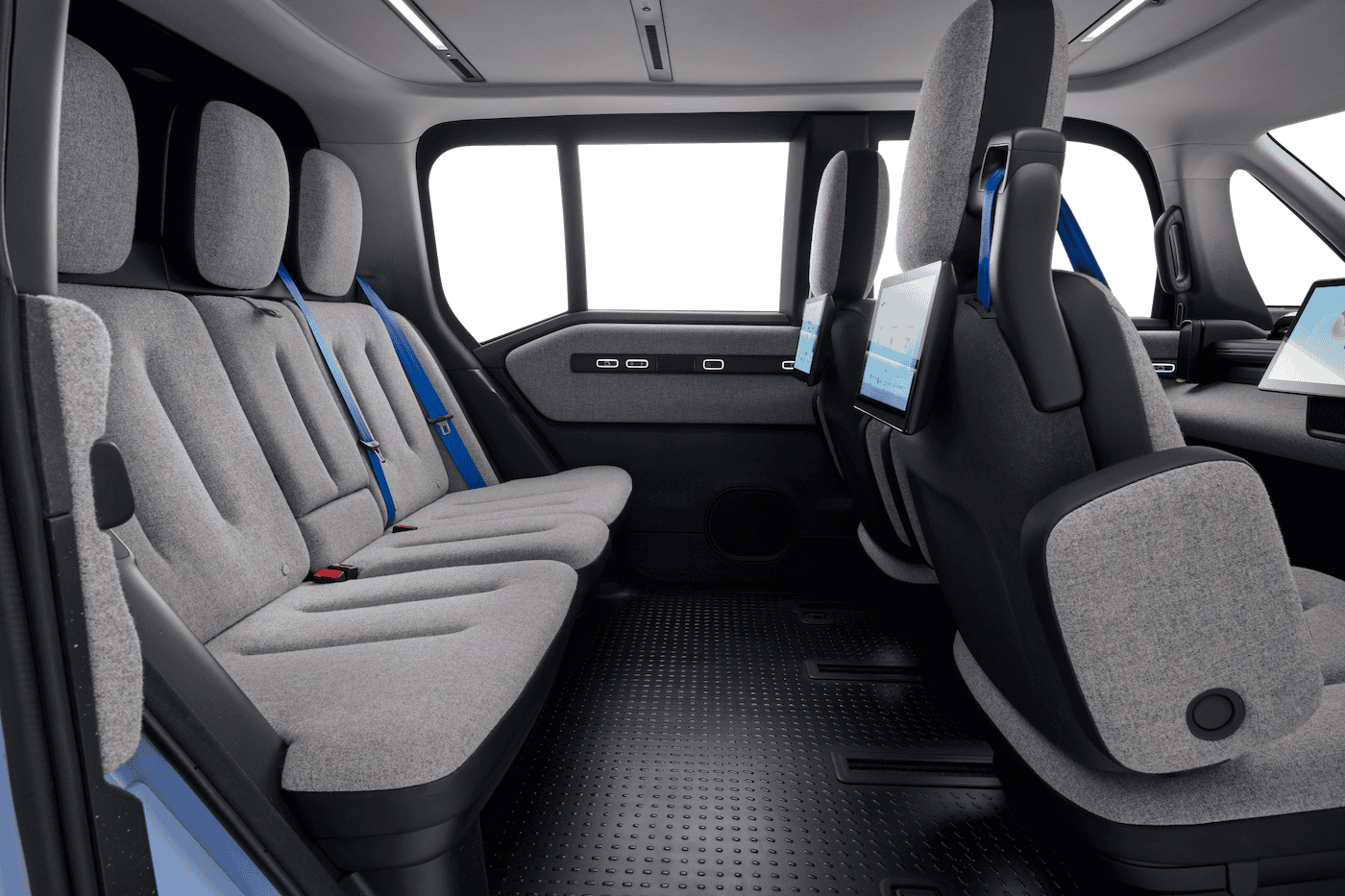
The sixth-generation autonomous driving system will be introduced using the company’s new fleet of Ojai robotaxis, which will be supplied by Chinese automaker Geely.
Challenges along the way
The robotaxi operator’s service has not evolved without some headwinds. New York City testing permits have recently expired, and New York State officials recently blocked the company’s upstate testing expansion plans.
A collision that occurred in California in January 2026 is still being investigated by federal safety regulators. A recall of 3,800 vehicles took place this week because the robotaxis malfunctioned in standing water. The company says it needs to fix its road-flooding detection software.
Despite these setbacks, the Alphabet-owned autonomous taxi service continues pushing ahead with its ambitious expansion plans.
Competitors
Waymo does not operate alone in the autonomous robotaxi market. In the United States, Tesla’s Cybercab platform, Amazon’s Zoox, Uber’s Autonomous Solutions, and General Motor’s Cruise are at different stages of development.
China has some major companies, such as Baidu Apollo, WeRide, and Pony.ai, while South Korea has Hyundayi’s + Aptiv’s Mobileye.
Waymo holds the crown, with its fully autonomous robot taxis covering the most commercial miles in the United States.
