
China has introduced new anti-dumping measures on US sorghum, a grain used to feed livestock and create ethanol, or drinking alcohol.
US importers are now required to put down a temporary 178.6% deposit on the value of their imports.
The measure was introduced after China investigated sorghum imports from the US. The investigation concluded that the US shipments were unfairly subsidized, hurting Chinese producers.
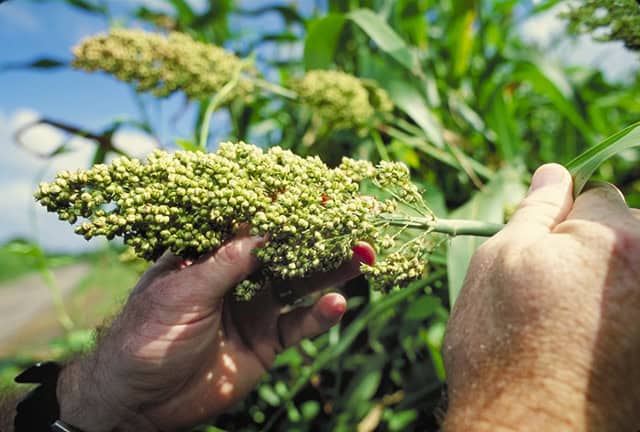 The US is currently the world’s leading producer of sorghum and China is the largest buyer of US sorghum products. According to Chinese customs data, imports of the crop were worth approximately $960 million in 2017.
China said that American sorghum accounted from 61% of market share in 2016 – it only had 8% market share in 2013. The price of imported sorghum from the US dropped from $289.61 per tonne in 2013 to $214.78 per tonne in 2016.
In February, China’s Ministry of Commerce said: “Due to the flood of cheap imports, Chinese industry has been damaged in terms of production and financial condition.”
The deposits could discourage imports of U.S. sorghum and affect American producers of the grain. US sorghum farmers are already beginning to explore all legal options.
The industry group National Sorghum Producers said in a statement:
“National Sorghum Producers is deeply disappointed in the preliminary antidumping determination issued today by China’s Ministry of Commerce (MOFCOM). U.S. sorghum is not being dumped in China, and U.S. sorghum producers and exporters have not caused any injury to China’s sorghum industry.
“National Sorghum Producers, alongside our producers, stakeholders and partners, has cooperated fully with China’s antidumping and countervailing duty investigations, including submitting several thousand pages of data demonstrating conclusively that U.S. sorghum is neither dumped nor causing any injury to China. None of this information appears to have been seriously considered or used in today’s preliminary determination, which is neither fair nor appropriate.
“We continue to greatly value our Chinese customers and what has been a win-win business relationship between U.S. sorghum producers and our Chinese partners. Today’s decision in China reflects a broader trade fight in which U.S. sorghum farmers are the victim, not the cause. And U.S. sorghum farmers should not be paying the price for this larger fight.
“Understanding the serious impact this preliminary decision will have on our farmers, NSP and our partners will continue to demonstrate U.S. sorghum farmers are not injuring China. We are evaluating all legal options moving forward.”
