

America’s second largest pharmacy chain CVS quits tobacco and changes its corporate name to CVS Health in what the company describes as an “important milestone” in its history. Taking tobacco products off the shelves has occurred one month earlier than planned.
The move is expected to lose the retail chain about $2 billion in annual revenue.
CVS wrote in a press release:
“As a further demonstration of our commitment, we’ve removed cigarettes and tobacco products from our CVS/pharmacy stores. By eliminating the sale of cigarettes and tobacco products in our stores, we can make a difference in the health of all Americans.”
After the announcement, CBS shares hit a 34-year high.
Effect on US smoking habits
Rival pharmacies claim CVS’ move will make virtually no difference to the smoking habits of American citizens.
According to a CVS study that is being released in the journal Health Affairs, however, banning tobacco sales in pharmacies in San Francisco and Boston resulted in a 13% decline in the sale of tobacco products. A significant number of regular smokers did not just switch where they bought their cigarettes, but gave up altogether.
CVS’ Chief Medical Officer, Troyen Brennan, said this would mean 65,000 fewer deaths annually across the country if the results were extrapolated to pharmacies nationwide.
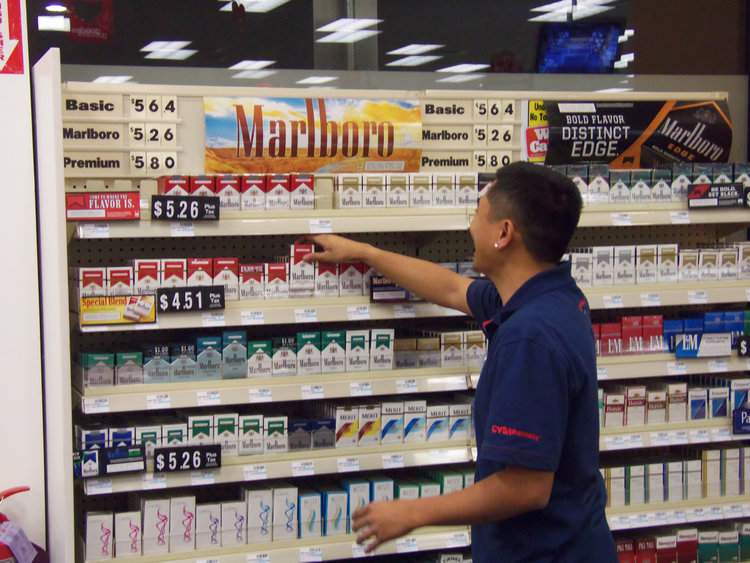
The United States is nearly the only advanced economy that allows tobacco sales in its pharmacy stores.
From tobacco seller to quitting promoter
The company has also launched a personalized smoking cessation campaign aimed at helping Americans quit tobacco.
The packs of cigarettes that used to be behind the counter at its 8,000 drugstores will be replaced with nicotine gum and signs encouraging people to give up.
Barack Obama applauded the move and called other businesses to do the same. “(It) will help advance my administration’s efforts to reduce tobacco-related deaths, cancer, and heart disease, as well as bring down healthcare costs.”
In the United States, four percent of tobacco sales come from retail pharmacies. The country’s largest pharmacy chain, Walgreens, as well as Rite Aid sell cigarettes and have no plans to quit. However, most experts believe it will not belong before they all follow suit.
In 1954, about half of all American adults used to smoke, compared to less than 18% today. It is the single largest preventable cause of death in the United States (and the world), killing nearly half-a-million 35+ year-olds annually.
Smaller chains led the way
In March 2010, the American Pharmacists Association (APA) urged drugstores to stop selling tobacco products. Since then a growing number of smaller independent chains have taken them off their shelves. According to Michelle Spinnler, a spokesperson for the APA, CVS is the first major chain to do this.
Matthew Myers, president of the Campaign for Tobacco-Free Kids, said:
“CVS’ announcement to stop selling tobacco products fully a month early sends a resounding message to the entire retail industry and to its customers that pharmacies should not be in the business of selling tobacco. This is truly an example of a corporation leading and setting a new standard.”
