
Mercedeslogo

Daimler issues profit warning over Chinese tariffs

Written by Joseph Nordqvist

Published: 12:54, June 22, 2018

Daimler, the owner of Mercedes-Benz, said in a release that it expects fewer than expected Mercedes-Benz SUV sales and higher than expected costs because of the increased import tariffs for US vehicles into the Chinese market.

The warning comes as China plans retaliatory tariffs against the US after the Trump administration decided to slap tariffs on at least $50 billion of Chinese imports.
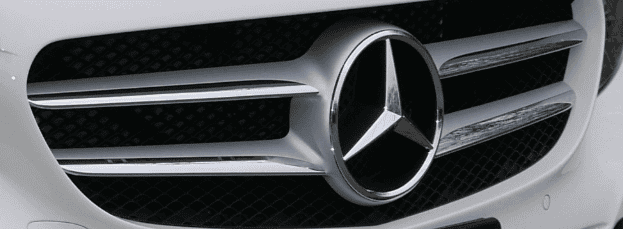
Mercedeslogo
Mercedes-Benz is a division of the German company Daimler AG.

“From today’s perspective, the decisive factor is that, at Mercedes-Benz Cars, fewer than expected SUV sales and higher than expected costs – not completely passed on to the customers – must be assumed because of increased import tariffs for US vehicles into the Chinese market,” Daimler said.

“This effect cannot be fully compensated by the reallocation of vehicles to other markets.”

Daimler has a large production presence in the US. Many of its vehicles produced in the US are exported to the Chinese market. According to Daimler, over 70% of SUV’s made at its Alabama plant are exported, making Mercedes-Benz U.S. International, Inc. the second largest automotive exporter in the U.S.

Mercedes-Benz recorded record sales in the first three months of this year. The increase was led by a 17% rise in sales in China.

Daimler said that earnings from car sales this year are expected to be “slightly below the previous year”. This is in part because of the import tariffs for US vehicles into China, but also due to declining demand in Latin America and the recall of diesel vehicles.


Joseph Nordqvist Avatar

Other News

Startup training was followed by more closures and stronger funding results in a US experiment

Nov 24, 2026

Information about local rivals changed firms’ AI investment plans in a European study

Nov 24, 2026

Online job ads can understate small employers’ share of hiring opportunities

Nov 24, 2026

How IBM expanded marketing experiments by changing who could run them

Nov 24, 2026

Grocery discounts do not lift every brand’s sales equally, study finds

Nov 24, 2026

A low upfront price can obscure the cost of refills, study finds

Nov 24, 2026

How medical device startups describe their products may affect clearance times

Nov 23, 2026

Why cheaper grocery products can face faster inflation when costs rise

Nov 23, 2026

One office day a month was followed by more calls handled in a remote-work experiment

Nov 23, 2026

An AI shopping assistant increased sales in a livestream experiment

Nov 23, 2026

Starting an idea without AI changed employees’ sense of ownership in an H&M test

Nov 23, 2026

Showing the extra cost of a larger pack changed buying choices in an online test

Nov 23, 2026

Looking at products together can help identify competitors, camera study finds

Nov 23, 2026

Removing unauthorized book copies produced an uncertain sales result in a field experiment

Nov 23, 2026

Warnings did not consistently undo the influence of product lineups

Nov 23, 2026

Demographic ad targeting can change how fairly consumers view a brand

Nov 22, 2026

Matching online and store prices had mixed effects at one electronics retailer

Nov 22, 2026

Meal-kit displays showed no clear sales lift for plant-based products in Belgian stores

Nov 22, 2026

High switching costs weakened price competition in a laboratory market

Nov 22, 2026

A digital product passport changed toothbrush valuations in a lab study

Nov 22, 2026