
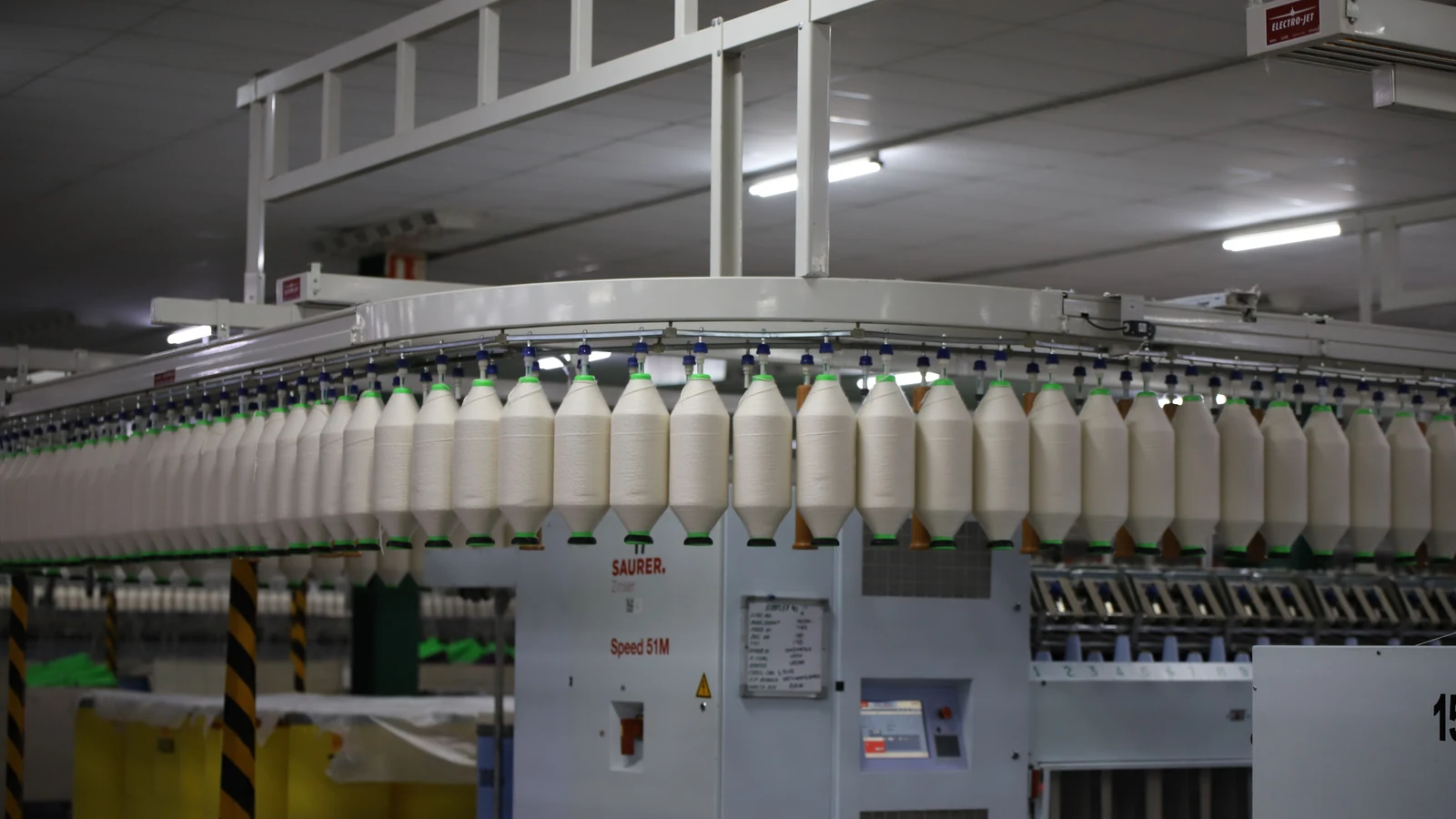
When textile companies talk about supply chain risk, the conversation usually turns to freight rates, tariffs, raw material prices and lead times. Fire rarely makes the list, until it happens. Yet for spinning mills, weaving plants, garment factories and the warehouses that feed them, fire is one of the few risks capable of wiping out inventory, halting production and damaging a brand in a single afternoon.
The industry has learned this the hard way. The 2012 Tazreen Fashions fire near Dhaka, which killed more than 100 garment workers, became a turning point for the global apparel trade. Together with the 2013 Rana Plaza building collapse, it prompted action on factory safety. The Accord on Fire and Building Safety in Bangladesh was signed after Rana Plaza. Today many international brands expect their suppliers to demonstrate credible fire safety as a condition of doing business.
For anyone buying, storing or processing synthetic fiber, the lesson is simple: fire protection is not a facilities line item. It is a commercial decision that affects insurance costs, customer audits, delivery reliability and, ultimately, profitability.
Why textile materials are a special fire hazard
Textile operations combine several characteristics that fire engineers worry about:
- Large volumes of combustible material. A medium-sized weaving or knitting plant may hold hundreds of tonnes of yarn, fiber and finished fabric on site at any time.
- Fine dust and lint. Spinning, texturing and weaving generate airborne fibers that settle on machinery, light fittings and cable trays. Lint can ignite easily and spread flame across a room faster than many people expect.
- Synthetic fiber behavior. Polyester and other thermoplastic fibers do not just burn; they soften, melt and drip when heated. Burning, molten material can carry fire downward and sideways, and the smoke it produces is dense and toxic.
- High stacking. Bales of staple fiber and pallets of yarn cones are often stored high in racks to save floor space. Taller storage means a fire grows faster and is harder to reach with water.
- Heat and friction sources. Texturing machines, heat-setting equipment, dryers and electrical panels running near capacity all provide potential ignition points.
None of this means textile facilities are unsafe by nature. It means they need to be designed and managed with the hazard in mind.
Fire safety starts at the sourcing stage
Most buyers focus on denier, tenacity, color consistency and price when choosing a yarn supplier. Those factors matter, but experienced procurement managers also look at how a supplier handles quality control, packaging and documentation, because these affect how safely material can be stored and handled once it arrives.
Yaakan Chemical Fiber, a Xiamen-based supplier of polyester DTY, FDY and POY yarn, staple fiber and blended yarns, says it provides specifications, export documentation and pre-shipment inspection. Clear product data, fiber type, packaging method, pallet configuration, also helps a facility’s fire safety engineer classify stored goods correctly, which is the starting point for designing adequate protection.
A practical step for any buyer: when you change the type of fiber you store, or switch from cartons to shrink-wrapped pallets, tell whoever maintains your fire protection design. Storage changes that look minor on a purchase order can change the fire risk of an entire warehouse.
The core layers of fire protection in a textile facility
Effective fire protection in a mill or yarn warehouse usually combines several layers, each covering the weaknesses of the others.
1. Automatic sprinkler systems
Automatic sprinklers can be an important control for large textile buildings. A properly designed system detects heat at ceiling level and discharges water directly over the fire, often controlling it before the fire service arrives. In high-bay yarn and fiber warehouses, designers may specify larger-orifice or early-suppression sprinklers that deliver more water with greater force. The key is that the system must match the actual storage height and commodity, not the layout drawn on day one.
2. Hydrants, hoses and monitors
Internal hose reels and external fire hydrants can support trained staff and firefighters where it is safe and appropriate to use them under the facility’s emergency plan. Large sites, especially those with open storage yards or bale stacks, may also use fixed fire monitors, high-flow water cannons that can reach deep into a stack from a safe distance.
3. Valves and alarms
Alarm check valves, deluge valves and water flow indicators sit quietly in pump rooms and riser closets, but they are what make the system work. They trigger alarms when water flows, isolate zones for maintenance and, in deluge systems, open an entire area of nozzles at once for fast-spreading hazards.
CA-FIRE, a fire protection equipment producer based in Fujian, China, says it supplies this kind of hardware, sprinkler heads, deluge and alarm check valves, fire hoses, hydrants and fire monitors, to industrial projects across Asia, the Middle East and Africa. For mill owners in emerging markets, sourcing equipment directly from a manufacturer can lower capital costs, provided the products carry the certifications that local authorities and insurers require.
4. Housekeeping and maintenance
No system compensates for poor housekeeping. Regular lint removal, clear aisles, unobstructed sprinklers, closed fire doors and routine testing of pumps and valves are what turn installed equipment into working protection.
The business case: what fire protection really pays for
For finance teams, fire protection can look like a cost with no visible return. In practice, it pays back in several ways:
- Lower insurance premiums and better terms. Insurers price risk. A well-protected, well-documented facility is easier to insure and may qualify for better coverage.
- Easier customer audits. International brands and retailers increasingly audit their supply chains for fire and building safety. Passing these audits keeps orders flowing.
- Business continuity. A contained fire might mean a few days of cleanup. An uncontrolled one can mean months of lost production and customers who move to other suppliers permanently.
- Protecting people. Above all, effective fire protection gives workers time to get out safely, the outcome that matters most.
Five questions every textile business should ask
- Has our fire protection design been reviewed since we last changed what or how high we store?
- Do our sprinklers, valves and hoses carry the certifications our local authority and insurer require?
- When were our fire pumps and alarm valves last tested, and who signed off?
- Is lint and dust cleaning scheduled, recorded and actually done?
- Do our suppliers provide clear product and packaging data that our engineers can use?
Conclusion
The textile industry runs on thin margins and tight deadlines, which makes it tempting to treat fire protection as something to deal with later. But fire does not wait for a convenient moment. Businesses that think about fire risk at every stage, from choosing a yarn supplier to specifying sprinklers and maintaining valves, protect not only their buildings and workers, but also their customer relationships and their place in the global supply chain.
