
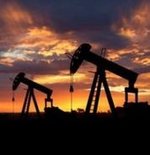
Oil prices have fallen by over 25% since their $105 per barrel of crude peak in June. This reduction in gas and other fuel prices means Americans will be saving approximately $200 billion; money which stays at home rather than going to OPEC nations.
Motorists and businesses in the US are happy because they end up with more cash in their pockets.
So, why have prices fallen? The main reason is that over the past few years the United States has become an energy-producing super-giant, rivaling the likes of Saudi Arabia. Thanks to horizontal drilling and hydraulic fracturing, the US today is the world’s largest producer of natural gas.
News update, Nov 4, 2014: Saudi Arabia has just reduced its price of oil exported to the US, while raising it for deliveries to Europe and Asia.
Since 2008, America’s energy production has jumped by approximately 50%. The rapid increase in gas and oil production helped the country pull out of the Great Recession.
Over a five-year period ending in 2013, the oil & gas industry created over 100,000 new jobs, while the overall job market shrank by nearly one million.
What is even more amazing, people in the industry say, is that the country has just barely scratched the surface. The domestic energy boom may have started off in North Dakota, Texas and Oklahoma, but new fields are being discovered all over the country.

(Data source: InvestmentMine)
Experts say that technology will soon help push America into the number one spot as the world’s largest exporter of oil, leaving Saudi Arabia in second place.
But is the US now a victim of its own success?
So, why was OPEC General Secretary Abdullah al-Badri not bothered earlier this week in London when he told his fellow members not to panic?
According to Mr. al-Badri, the fall in the price of oil is good for OPEC.
Hydraulic fracturing may have helped the US out of recession and pushed it into the super big league as an oil and gas producer, but it is not cheap. Extracting oil or gas via hydraulic fracturing is much more expensive compared to, for example, what Saudi Arabia has to pay for each barrel of its own oil.
Mr. al-Badri thinks a price fall is like a severe winter – it gets rid of the weaklings, which in the oil industry means those who pay more for extraction. He says a period of low prices will drive US producers to the ground, i.e. their businesses will become economically non-viable and they will go broke and close down. Prices will then go up and OPEC will be laughing.
