
Frozen_Food

Free trade with EU crucial for UK’s processed food and drink sector

Written by Joseph Nordqvist

Published: 13:32, April 22, 2018

A committee of MPs examined the impact of Brexit on the UK’s processed food and drink sector and concluded that a free trade deal with the EU after Brexit is “crucial”.

The processed food and drink sector is the UK’s largest manufacturing sector, contributing £28.8 billion to the economy and employing 400,000 people throughout the country – a third of whom are EU nationals.

The industry employs a “just in time” inventory strategy integrated with supply chains across the UK and the EU UK and the EU for sourcing raw materials, processing goods and selling them.
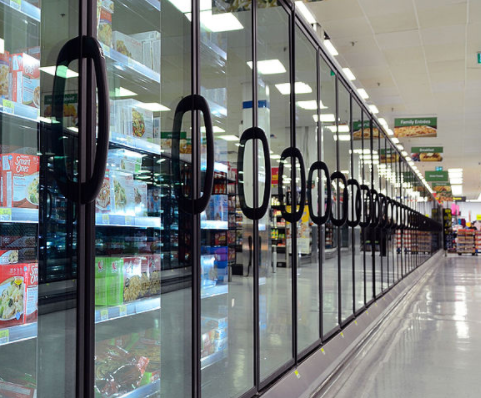
Frozen_FoodThe report states that reverting to World Trade Organisation (WHO) tariffs in the event of a ‘no deal’ scenario would undeniably make the industry suffer.

“The EU’s Most Favoured Nation tariffs under WTO rules would be disastrous for UK exports and must be avoided at all cost. It is unrealistic to expect that the sector will stop relying on the EU as its main export destination at least in the short term,” the report said.

World Trade Organization tariffs “would seriously jeopardise the competitiveness of UK exports”, the committee said.

“The government should also seek to replicate all existing EU trade deals with third countries, as they constitute our biggest export destinations.”

Rachel Reeves, who chairs the committee, said: “The success of the industry has been highly dependent on participating in the [EU] single market and customs union.

“To ensure the continued success of our food and drinks industry, the government must provide clarity and certainty on our future relationship with the EU and seek continued regulatory, standards, and trading alignment with the EU in the processed food and drink sector.”

The Customs Union is a free trade area in which 28 nations trade with each other with no tariffs or quotas.


Joseph Nordqvist Avatar

Other News

A loyalty campaign can lose sales when stores struggle to carry it out

Nov 10, 2026

Offering a choice of discounts can sometimes reduce purchases, study finds

Nov 10, 2026

A fee to place a bid can lift a seller’s profit, but the effect may fade

Nov 10, 2026

Experiences can make loyalty rewards more engaging, retail research finds

Nov 10, 2026

Most emerging-market firms in an IFC survey use AI, but few have embedded it across core operations

Nov 10, 2026

Startups given examples of AI workflows found more uses for the technology

Nov 9, 2026

Showing product costs can change how shoppers judge a brand’s motives

Nov 9, 2026

Hiding most Facebook ads increased users’ time on the platform in a study

Nov 9, 2026

Online sales remain a small share of revenue for many Balkan businesses

Nov 9, 2026

Toast faces FTC lawsuit over restaurant software fees and cancellations

Nov 9, 2026

Fashion ads featuring models with disabilities performed better in a set of tests

Nov 8, 2026

Ad comment moderation showed mixed results in Harvard research

Nov 8, 2026

Board connections are linked to marketing’s influence inside companies

Nov 8, 2026

Customer confidence can fall before it rises with experience, study finds

Nov 8, 2026

Drug buyers often cut promotion while raising prices, research finds

Nov 8, 2026

Confirmation prompts can change subscription choices, but add checkout friction

Nov 8, 2026

Marketplace advertising adds a second cost to reaching online shoppers

Nov 7, 2026

Delivery and payment choices can stop online sales at checkout, DHL survey finds

Nov 7, 2026

AI-translated marketing videos drew mixed reactions in two language tests

Nov 7, 2026

Referrals remain a major source of leads for small businesses, survey finds

Nov 7, 2026