
In a bizarre retaliatory move that will exacerbate his country’s food supply and fuel inflation, Putin curbs agricultural imports from selected countries, specifically those that have imposed tougher sanctions against Russia in response to its alleged meddling in the Ukrainian conflict and being indirectly involved in the shooting down of flight MH17.
The Russian President ordered the banning and curbing of food and agricultural products in a decree signed on Wednesday. The measures will last for 12 months.
The response comes more than a week after the US and its allies ramped up economic sanctions on Russia for supporting pro-Russian separatists in Ukraine.
Bans to protect Russian food prices
The decree states (in Russian) that the list of agricultural products and food bans is still being worked out by the government. It says the special economic measure is “aimed at ensuring the security of the Russian Federation.”
A Russian official told Vedomosti, a local newspaper, that the food-ban list will include fruit, vegetables and meat, but not baby food or wine.
According to European Union (EU) data, its largest importer of fruits, vegetables, dairy products, meat and animals is Russia. Sixteen percent of all Russian imports come from the EU.
Vladimir Putin, Russia’s President, said the measures have been imposed to prevent a hike in food prices in Russia. This is a strange logic, given that if you restrict the supply of a product, the result is usually a jump in prices.
Russia’s central bank warned that banning food imports will fuel the country’s already high inflation rate.
While on the one hand saying it is protecting the interests of the country, the decree then appears to acknowledge that the measures will hit Russian consumers when it instructs officials to devise ways to control commodity markets and make sure food prices do not rise.
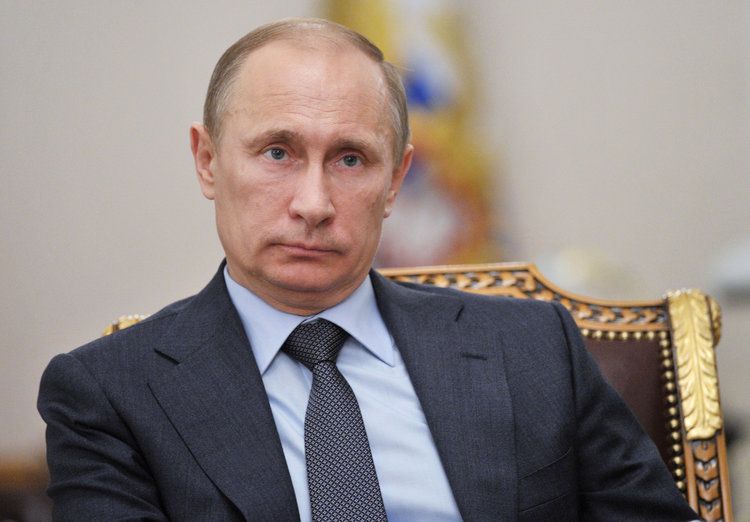
Faced with the choice of relenting or escalating, Mr. Putin has chosen to escalate.
Russian sanctions starting to hurt
The US government believes the extended sanctions are already starting to hurt Russia’s economy. President Barak Obama said “Sanctions are working as intended in putting pressure and strain on the Russian economy. The economy has ground to a halt.”
Obama warned that Putin will damage his country’s economy and his own people over the long term if he does not resolve the eastern Ukraine problems through peaceful means.
Russia insists it is not helping separatists in Ukraine and emphasizes its desire for a diplomatic solution. Meanwhile, the number of Russian troops along the border with Ukraine continues to increase rapidly, says NATO.
According to western media, a large proportion of Ukraine separatists fighting in the east of the country have Russian accents, suggesting many of them are Russians and not Ukrainians.
Will EU pay too high a price?
It is much easier for the US to impose tough sanctions against Russia than for the EU, because Europe does much more business with the country and is dependent on it for much of its energy imports.
Following many years of double-digit growth, exports of food and raw material to Russia from the EU reached €12.2 billion ($16.32 billion) in 2013.
Yesterday, Germany, the largest economy in the EU, published worrying statistics showing that factory orders declined significantly in June. The Economy Ministry said “The geopolitical developments and risks above all led to certain reluctance in placing orders.”
German Chancellor Angela Merkel and Mr. Putin had a telephone conversation on Wednesday for the first time since the sanctions were expanded.
A spokeswoman for Ms. Merkel said:
“The chancellor voiced concerns that reinforcements for the separatists were being delivered from Russia. She also emphasized that the primary goal remained the stabilization of Ukraine, which must itself be able to decide about how to shape its future.”
Italy, which is dependent on Russian natural gas imports and agreed to tougher sanctions last week, has fallen back into recession after posting two quarters of GDP (gross domestic product) contraction.
Using food in the tit-for-tat response had been expected after Russia banned Polish fruit and vegetable imports last week and consumer protection agency Rospotrebnadzor started investigating McDonald’s milkshakes and cheeseburgers.
