
True_Religion_Brand_Jeans_-_panoramio

True Religion files for bankruptcy protection

Published: 04:28, July 6, 2017

True Religion filed for bankruptcy protection this Wednesday.

The beleaguered upscale jeans maker has experienced a sharp decline in sales since 2013 as consumers shifted from buying at traditional brick-and-mortar stores to doing their shopping online.

TowerCapital Partners, the private equity firm that owns the brand, struck a deal with lenders to cut True Religion’s debt by about three-quarters. The reorganised company will see its debt load drop by $350 million to $140 million.
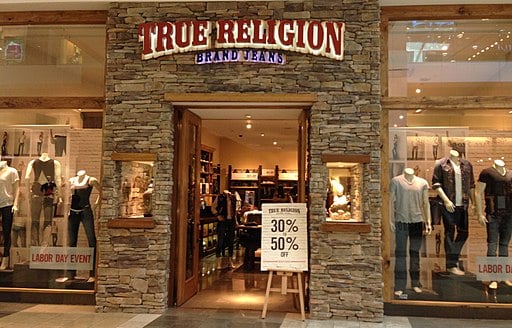
True_Religion_Brand_Jeans_-_panoramio
Photo by Clotee Pridgen Alloc [CC BY-SA 3.0 (http://creativecommons.org/licenses/by-sa/3.0)], via Wikimedia Commons
The restructuring deal will allow the company to keep its stores open and focus more on e-commerce.

True Religion will continue to operate its business without interruption to customers, employees and business partners throughout implantation of the plan. It expects to obtain confirmation of its pre-arranged plan by the Bankruptcy Court within 120 days.

John Ermatinger, President and CEO of True Religion, said in a statement:

“After a careful review, we are taking an important step to reduce our debt, reinvigorate True Religion’s iconic brand and position the company for future growth and success.

“By dramatically improving our capital structure 24 months in advance of our term loan maturity, we will continue business operations as usual and provide our employees and business partners the long-term stability they need, while providing the necessary flexibility to invest in growing our digital footprint, building connections with customers, and improving organizational competencies.

“I want to recognize our lender community, our private equity owner, TowerBrook Capital Partners, and our financial and legal advisors for negotiating a constructive outcome for the company.

“Importantly, I want to thank our dedicated employees for remaining focused on the business, and our loyal customers and valued business partners for their support throughout this process.”

True Religion is the latest fashion retailer to suffer from changing consumer habits. Over the past two years, brands like American Apparel, Quiksilver, Wet Seal, Nasty Gal and Pacific Sunwear have similarly applied for bankruptcy protection.

Christian Nordqvist Avatar

Other News

A digital product passport changed toothbrush valuations in a lab study

Nov 22, 2026

Purchase-linked donations can change direct giving in a small experiment

Nov 22, 2026

Volunteer recruitment emails were followed by more donations in a nonprofit experiment

Nov 22, 2026

Customer-created content was linked to brand perceptions in a survey of Pakistani shoppers

Nov 22, 2026

Shopping games can frustrate customers when rewards and rules are hard to understand

Nov 22, 2026

Text-message business training helped Kenyan entrepreneurs briefly, but gains faded

Nov 22, 2026

Food traceability labels raised stated interest, but ad test found no clear difference

Nov 22, 2026

Letting shoppers keep an item for a partial refund lifted later spending in a field experiment

Nov 22, 2026

Skincare claims that look scientific changed shopping choices in an online experiment

Nov 21, 2026

Crowded settings can make unfamiliar products less appealing in consumer experiments

Nov 21, 2026

Words that describe texture can affect online clothing choices, study finds

Nov 21, 2026

Impact measurement support helped Indian social enterprises grow in a field experiment

Nov 21, 2026

Lyft experiment found a premium ride option shifted some customers to cheaper fares

Nov 21, 2026

Online retailer improved pricing by testing how shoppers respond to rivals

Nov 21, 2026

Environmental reminders reduced return shipments in a fashion retailer experiment

Nov 21, 2026

When a discount is hard to claim, it can reduce sales of the product

Nov 20, 2026

A small step to claim a discount increased redemptions in a coffee campaign

Nov 20, 2026

Ad platforms can target likely buyers without creating the most extra sales

Nov 20, 2026

Sales contests worked better when employees competed in comparable groups

Nov 20, 2026

Social discounts encouraged existing grocery customers to buy more in an experiment

Nov 20, 2026