
UK average gross weekly full-time earnings increased by just £1 in April 2014 compared to April 2013, the slowest rate of growth since 1997, the Office for National Statistics (ONS) reported on Tuesday.
Since the global financial crisis, British workers’ wages have failed to keep up with inflation.
According to the ONS, on April 2014, average full-time gross weekly earnings stood at £518, compared to £517 the year before. Year-over-year, pay increased by just 0.1%.
People in new jobs are worse off than those who have been in the same post for at least four years. Long-term employees saw their income rise by over 4%.
When employees who took on new jobs or changed employment (30% of workers) are factored in, the figure goes right down to 0.1%.
The average British employee’s purchasing power today is at the level it was at the beginning of the millennium.
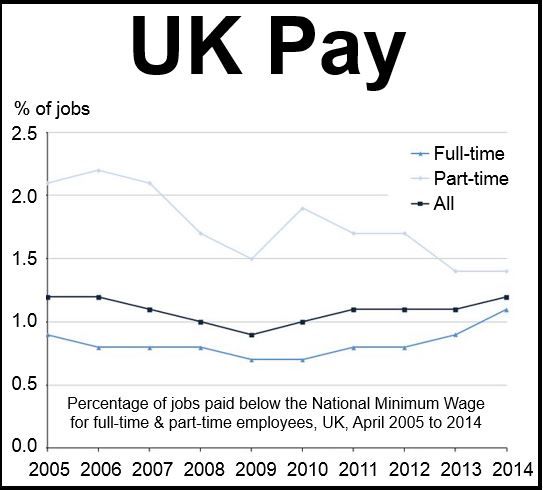
Data Source: “Trends over Time,” Office for National Statistics.
Cost of living crisis
Today’s statistics appear to back Labour’s claims that most employees in the UK have been experiencing a cost of living crisis.
The difference between men and women’s pay has narrowed. In 2013, males earned on average 10% more than females, compared to 9.4% in April 2014. In 1997 the gap was 17.4%. However, the narrowing was the result of men’s pay in real terms falling faster than women’s.
A total of 236,000 jobs are currently paying less than the national minimum wage. Only 9,000 of those posts are held by 16-to-17 year old boys and girls, while 196,000 employ workers aged 21 or over.
TUC General Secretary Frances O’Grady said regarding workers’ pay:
“Ordinary households are not sharing in the recovery and the recession in their wages continues despite the economy’s return to growth. The gains of growth are going to a few people at the top, with ordinary workers being shut out of the recovery.”
“The government is making history for the longest fall in real earnings since records began – a time when Queen Victoria was on the throne. Britain needs a pay rise to end the decline in living standards and to put the spending money in people’s pockets that will keep businesses growing.”
