
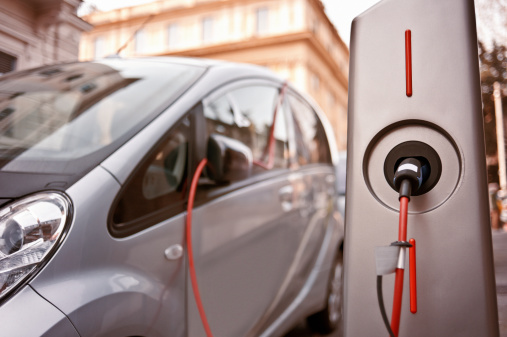
 Regulators in the US have delayed rules for electric vehicles considered “too quiet”. The rules would require electric and hybrid vehicles to alert cyclists and sight-impaired pedestrians.
The National Highway Traffic Safety Administration estimates that it is 19% more likely for hybrid vehicles to be involved in a pedestrian crash than gasoline-powered cars.
The US government has been working on rules requiring “quiet cars” to add audio alerts at low speeds since 2013.
The car safety regulator said that if the rules were to be implemented then the total number of pedestrian and bicyclist injuries would be reduced by around 2,800 on an annual basis. Every year there are approximately 125,000 accidents of this kind in the US.
In a report by the NHTSA titled “Minimum Sound Requirements for Hybrid and Electric Vehicles” the regulator said:
“As required by the Pedestrian Safety Enhancement Act (PSEA) of 2010 this rule proposes to establish a Federal motor vehicle safety standard (FMVSS) setting minimum sound requirements for hybrid and electric vehicles.
“This new standard would require hybrid and electric passenger cars, light trucks and vans (LTVs), medium and heavy duty, trucks, and buses, low speed vehicles (LSVs), and motorcycles to produce sounds meeting the requirements of this standard.
“This proposed standard applies to electric vehicles (EVs) and to those hybrid vehicles (HVs) that are capable of propulsion in any forward or reverse gear without the vehicle’s internal combustion engine (ICE) operating.
“This standard would ensure that blind, visually-impaired, and other pedestrians are able to detect and recognize nearby hybrid and electric vehicles, as required by the PSEA, by requiring that hybrid and electric vehicles emit sound that pedestrians would be able to hear in a range of ambient environments and contain acoustic signal content that pedestrians will recognize as being emitted from a vehicle”
The PSEA defines an ‘alert sound’ as “a vehicle-emitted sound to enable pedestrians to discern vehicle presence, direction, location and operation.”
The NHTSA was originally to publish final rules by Jan. 4, 2014 with full compliance by automakers due no later than Sept. 1, 2018. The Transportation Department explained on its website that the rules were delayed because “additional coordination is necessary.”
