

One of the causes of high UK house prices is foreign investors, says a researcher at King’s College London’s King’s Business School. House prices in some parts of the UK are among the most expensive in the world. With demand for homes and other properties increasing across the country, many people have been priced out of prime spots.
In this latest study, Dr. Filipa Sa says that understanding the cause of these the high UK house prices is very important. Dr. Sa is a Senior Lecturer in Economics at King’s Business School.
The study’s evidence regarding foreign investors has recently supported a major policy change in the UK.
In 1999, the average house price in England and Wales was £70,000. By 2014, it had almost tripled to £215,000.
UK house prices without foreign investors
Dr. Sa, said her research shows that house prices would be 19% lower than they are now had there been no foreign investors. Specifically, no foreign investors from 1999 to 2014.
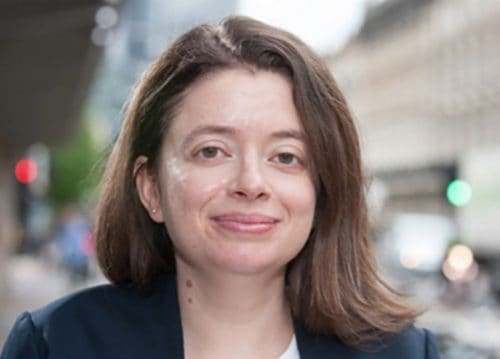
Regarding housing costs and people’s budgets, Dr. Sa said:
“Housing costs form a big part of households’ budgets and so they are a concern for a large portion of the UK population. One of the issues on people’s minds is that foreign investors are buying properties with the purpose of making money as opposed to creating a home to live in and that this is pushing house prices up.”
“This research shows that foreign investment in the UK housing market does, indeed, play a part in the increase in house prices that we have seen in the last two decades.”
Dr. Sa, however, acknowledges that demand for more housing is currently outstripping supply. This phenomenon is also causing the continuous boom of UK house prices.
UK house prices, like in other countries with free market economies, respond to market forces. In other words, the forces of supply and demand. When demand is greater than supply, prices rise, and when supply outstrips demand, prices fall.
UK house prices – policy debate
In a press release regarding these findings, King’s College London writes:
“These findings have already proved useful in informing the policy debate on the impact of foreign investment on the housing market. Using the research as evidence, the UK government has recently announced a new tax on foreign home buyers, with the money raised being used to tackle rough sleeping.”
“The issue has also caught the attention of the Mayor of London, Sadiq Kahn, who has recently launched an inquiry into the consequences of foreign property ownership in the capital.”
The UK is not the only country to have this problem. Other countries, such as Canada, Switzerland, and Australia have also been debating this issue. They have introduced policies to control foreign investment in the housing sector.
Dr. Sa said:
“This is certainly an issue that we need to continue focusing on so that current and future generations can afford to create their own homes across the UK.”
To be able to afford something means to be able to pay for it without having to struggle desperately afterward.
UK house prices – foreign criminals
A 2015 report by the National Crime Agency said foreign criminals contributed to the rise in UK house prices. Specifically, foreign criminals who launder their money by buying expensive properties in, for example, London.
Donald Toon, Director of the National Crime Agency, said:
“I believe the London property market has been skewed by laundered money. Prices are being artificially driven up by overseas criminals who want to sequester their assets here in the UK. What they are doing is distorting the market.”
