
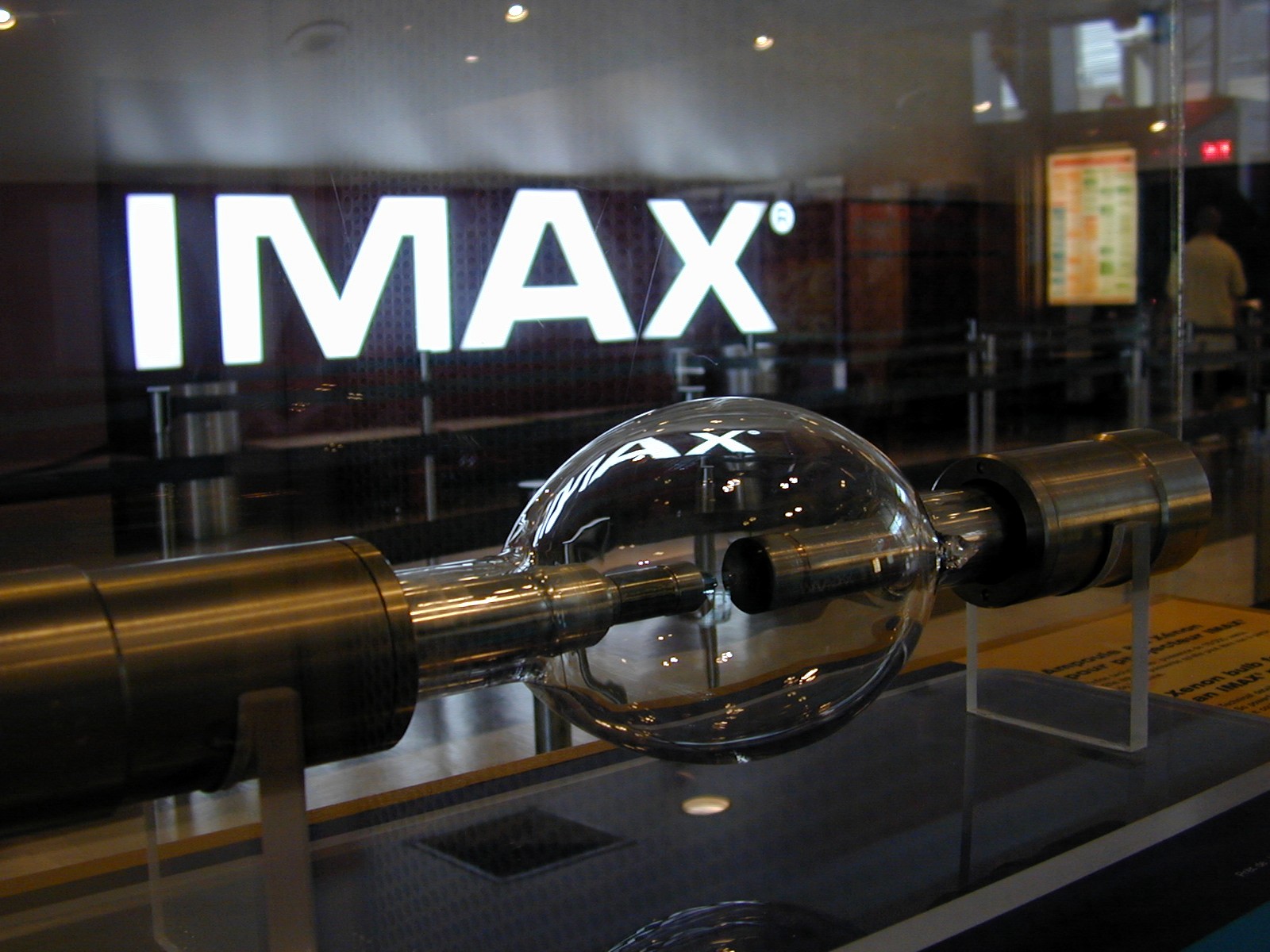
IMAX is reportedly exploring a possible sale, a sign that premium cinema remains one of the stronger parts of the entertainment business.
According to The Wall Street Journal, IMAX has approached entertainment companies about a potential deal. The talks are said to be at an early stage, and there is no guarantee that a sale will happen.
The report sent IMAX shares sharply higher, as investors considered whether a larger media or technology company could move for the business.
The timing makes sense.
The wider cinema industry has had a difficult few years. Streaming changed viewing habits. The pandemic hurt theaters and the industry has struggled to return consistently to pre-pandemic levels.
But IMAX sits in a stronger part of the market: event cinema.
Audiences may skip many ordinary releases. Yet they still pay more for films that feel big enough to justify the trip. IMAX has built its brand around that idea: huge screens, powerful sound, premium tickets, and releases marketed as experiences.
That gives IMAX a valuable position.
The company said it had 1,865 systems operating in 91 countries and territories as of March 31, 2026, including 1,798 commercial multiplex locations. It also had a backlog of 435 systems.
That network would be difficult to recreate quickly.
A buyer would get a global premium distribution platform, a recognized brand, and relationships with studios, filmmakers, and theater operators.
That could appeal to several types of buyers. A traditional studio might want more control over premium theatrical releases. A streamer could use IMAX to make selected films feel like bigger cultural events. A technology or entertainment company could see it as a way into high-end, out-of-home experiences.
However, a deal would also raise questions.
IMAX’s perceived neutrality may also be part of its appeal. The company can work across the industry because it is independent from any single major studio or streamer. If a company such as Netflix, Amazon, Apple, or Disney bought IMAX, rival studios might worry about access, promotion, or whether their films would receive equal treatment.
