
The US-Israel attacks on Iran have severely tested most countries’ economic and geopolitical strategies, and China is no exception. Fortunately, China had built up massive oil stockpiles. However, they can only protect the country’s energy requirements for a few months.
The Iran conflict, which started at the end of February this year, has been ongoing for over 11 weeks. It has increased pressure on China’s economic growth. Iran has been supplying China with heavily discounted crude oil supplies for many years.
China-Iran Cooperation Agreement
In 2021, Iran and China signed a 25-Year Cooperation Agreement in which China pledged to invest $400 billion in Iran’s economy in exchange for a continuous supply of heavily discounted oil. By the end of 2025, China was importing 1.4 million barrels of oil per day from Iran. Western sanctions were bypassed by using small private “teapot” refineries to buy Iranian oil.
Iran became very dependent on exports to China. Since the US-Israeli attacks, Iranian oil production has collapsed, creating a serious problem for China’s teapot refineries. They cannot afford to buy at international market prices and have had to slash production rates—many have completely paused operations.
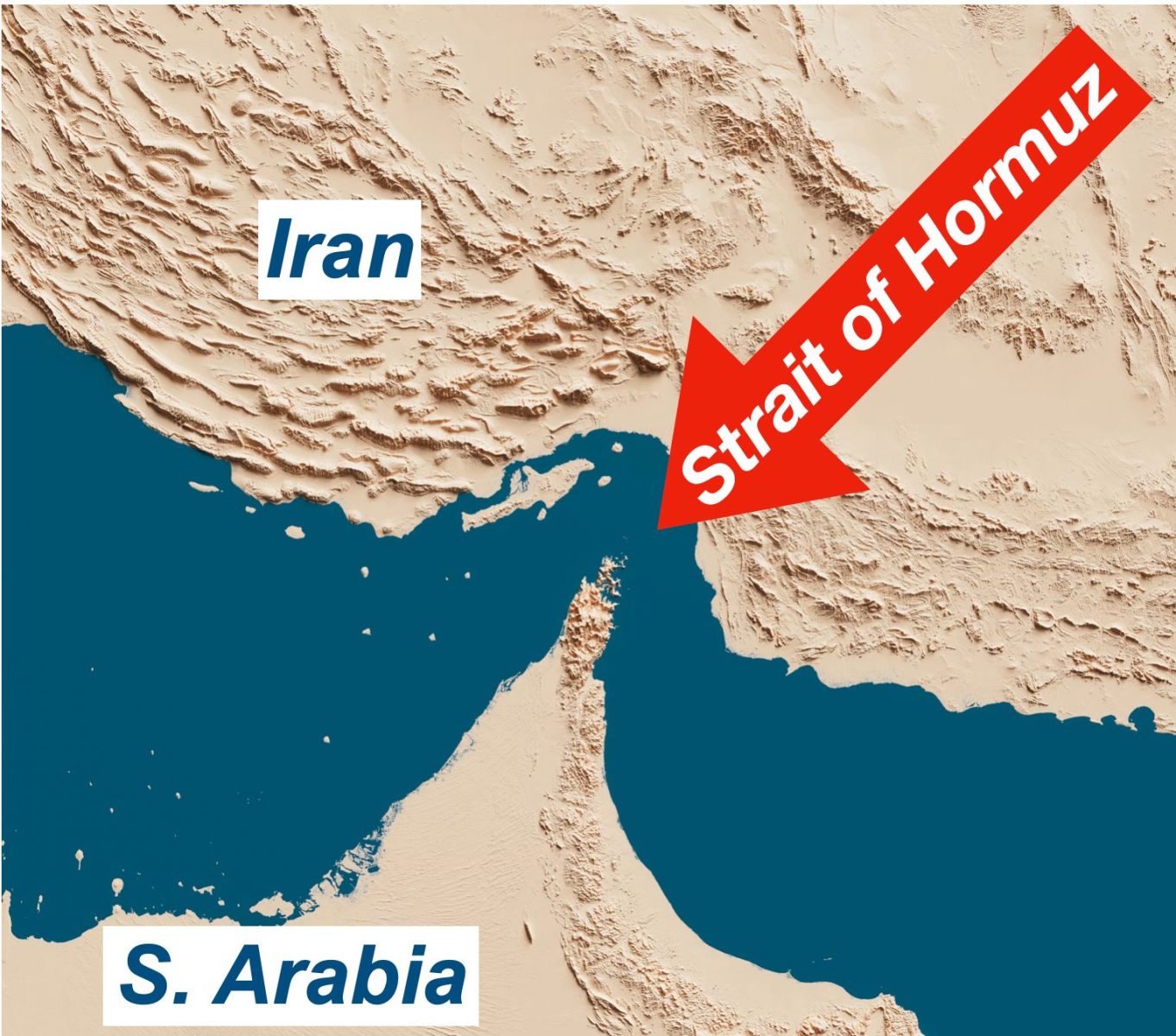
In the beginning of 2026, China anticipated a crisis and stockpiled oil. The stockpile has helped the country fare well since Israel and the US launched military attacks on Iran. However, with the Strait of Hormuz effectively closed, China’s formidable oil reserves will only last a few months.
Hormuz Important for China
Half of China’s crude oil imports come through Hormuz, as does 30% of its LNG (liquefied natural gas). Although China’s economic competitiveness is not expected to be as badly hit as inflation-hit North America and other Western nations, its exports will suffer if there is lower global consumption.
China’s ambitious annual GDP growth targets rely on strong international demand. With global demand dwindling, China’s companies will be facing a growing industrial overcapacity problem and declining profits.
In an article published on Bruegel.org, Alicia Garcia-Herrero explained China’s situation very well in the following sentence:
“China is relatively inured to the Iran conflict, but less external demand could hit its exports and its international partnerships may be undermined.”
Is the Crisis Easing?
On Wednesday, May 20, two Chinese supertankers passed through the Straits of Hormuz. In an article in the South China Morning Post, Carol Yang wondered whether this was a one-off or the beginning of a new trend. After weeks of disappointments, most of the media reacted cautiously.
In the Middle East, things can improve rapidly, and then unravel at lightning speed. Newspapers worldwide cautioned that it is too early to tell whether this latest occurrence is a one-off or a sign of good things to come.
